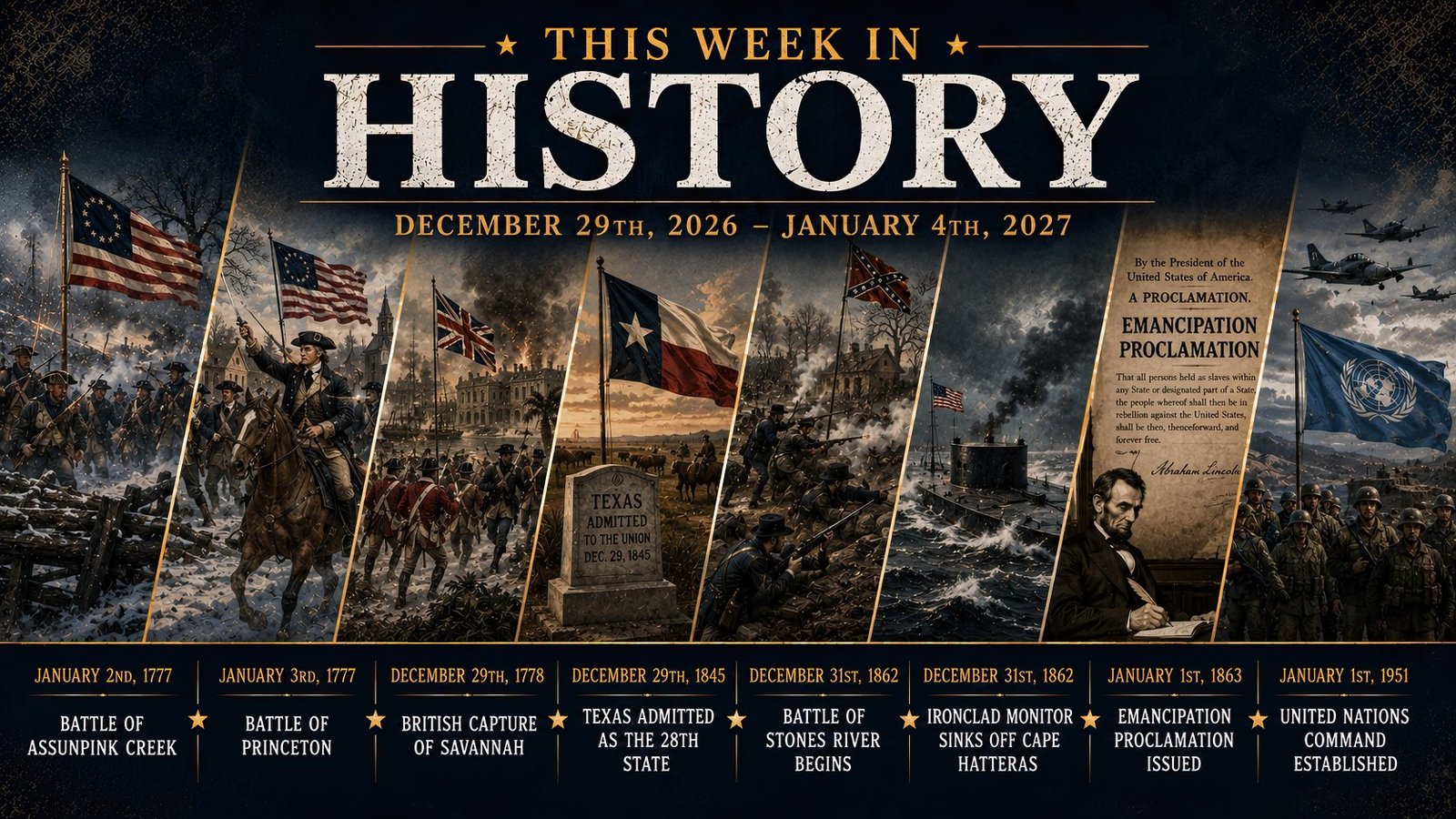
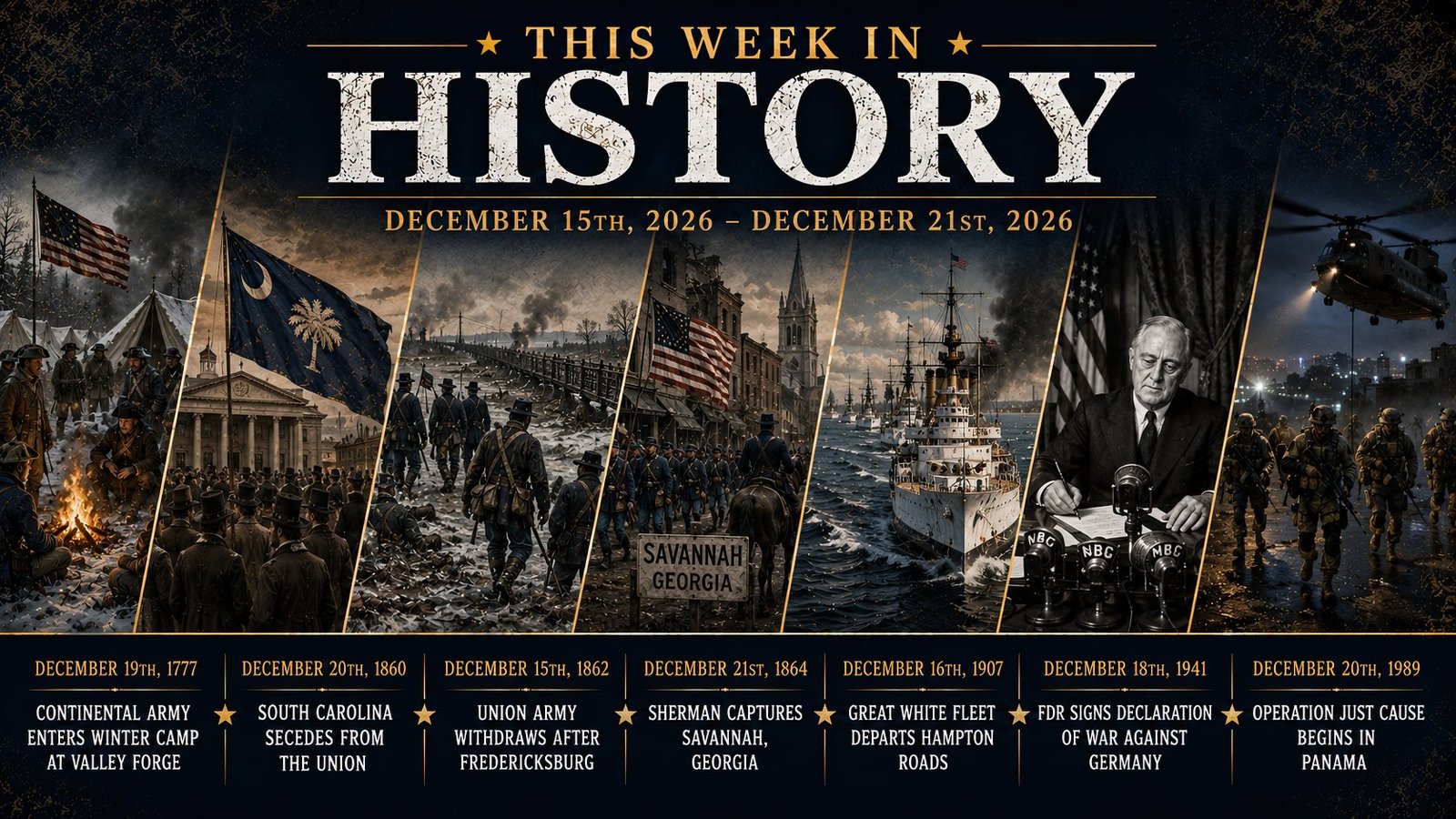
This Week in History · December 29, 2026
136 Populated Entries
Weapons, munitions, integrated systems, design, production, and operational use.
Trackpads Air Archive
Use the dedicated Air Archive for structured aircraft-family profiles, variants, representative specifications, imagery, sources, and design lineage.
Weapons & Weapon Systems
Every result opens a permanent subject record with its reference context and connected Dispatch coverage. Filter by record type, editorial collection, or a word in the entry.
136 entries found.
A story of air superiority and reach told through the pilots who trusted the Eagle and the opponents who learned to fear it.
A story of agility, survivability, and reach told through the pilots and maintainers who turned a lightweight fighter into a global workhorse.
A story of multirole firepower and adaptation, told through the aircrews who flew the Phantom into the teeth of the Vietnam War’s fiercest defenses.
A story of speed, improvisation, and pilot skill told through the jet that met the MiG threat head-on.
A year later and hundreds of miles to the north, American troops faced a British advance aimed at cutting New England off from the rest of the colonies.
Exactly one year after Pearl Harbor’s date on the calendar, December 2nd, 1942, a small team of scientists and technicians gathered under a stadium in Chicago carried out an experiment that would change warfare forever.
On August 29th, 1949, far away on the Eurasian steppe, the Soviet Union detonated its first atomic device, abruptly ending the American monopoly on nuclear weapons.
A story of reach, adaptability, and hard fighting told through the destroyer crews who carried the war across the Pacific.
The Second World War was over by December 5th, 1945, but military aviation remained a dangerous profession even in training.
A story of reach, endurance, and silent pressure told through the boats, their crews, and the tonnage war beneath the Pacific.
The fields near Anzio were bare and unforgiving—flat, freshly plowed earth broken only by shallow furrows and a few low dikes. On a May morning in 1944, Staff Sergeant George John Hall lay pressed into that thin cover with the rest of his company, the dirt shaking under the hammering of German machine guns. Every time a man tried to crawl forward, grazing fire stitched the ground in front of him. Sniper rounds cracked overhead.
Night on Iwo Jima never really felt dark. The sky glowed faintly from flares and burning wreckage, and the volcanic ash underfoot seemed to swallow every step. In a shallow foxhole—a rough, shoulder-deep fighting position scraped into that ash—Private George Phillips stood watch while the rest of his squad finally slept. They had spent the night trading grenades and rifle fire with Japanese troops slipping through the lines.
At the turn of the twentieth century, American leaders viewed an isthmian canal as essential to both commerce and naval strategy.
The black volcanic sand of Iwo Jima offered no cover, only shallow shell holes and the hulks of stalled tanks. Late on February 23, 1945, Marines of the 21st Regiment lay pinned down, staring across a short stretch of open ground that felt a mile wide. Ahead of them, a maze of reinforced concrete pillboxes spat machine-gun fire in crossing patterns, every burst chewing fresh craters into the sand.
A story of reach, survivability, and stubborn determination told through the aircrews and ground teams who trusted this helicopter to bring them home alive.
A story of long-range precision firepower told through the crews who drive a wheeled launcher into harm’s way and the targets that suddenly find nowhere to hide.
HMS Warrior was the Royal Navy first iron-hulled armoured warship. Her long life moved from Channel Fleet showpiece to reserve and support duties, then from oil jetty to major museum restoration.
Read Entry →Warship ClassIowa classThe final U.S. battleship class, designed for high-speed fleet operations and adapted across five decades of service.
Read Entry →Event · 2026-06-30Iran Air Flight 655 shot downOn July 3rd, 1988, during tense operations in the Persian Gulf, the guided-missile cruiser USS Vincennes mistook a civilian Iran Air Airbus ascending along a commercial route for a hostile military aircraft. Believing the plane to be an attacking fighter and amid conflicting reports about altitude and identification, the ship fired surface-to-air missiles that destroyed the airliner, killing all passengers and crew.
Just two weeks after the attack on Pearl Harbor, Japanese forces struck another major blow by landing large invasion forces along the shores of Lingayen Gulf in northern Luzon on December 22nd, 1941.
The black volcanic sand of Iwo Jima offered no cover, only shallow shell holes and jagged rock. On the morning of March 9, 1945, Platoon Sergeant Joseph R. Julian lay there with the rest of his company, pressed into the ash while enemy fire tore long furrows across the slope. Ahead of them, a line of Japanese trenches and pillboxes guarded a critical rise. Machine guns hammered from narrow firing slits.
A story of reach and endurance told through the tanker crews who turned fuel into combat power across half a century of wars and crises.
A story of speed, reach, and improvisation told through the flight decks, hangar bays, and air groups that fought from these big decks.
In the shadow of the Cuban Missile Crisis, another October date marked a different kind of strategic turning point.
Related Dispatch
These current Dispatch articles connect directly to records in the Weapons & Weapon Systems directory.
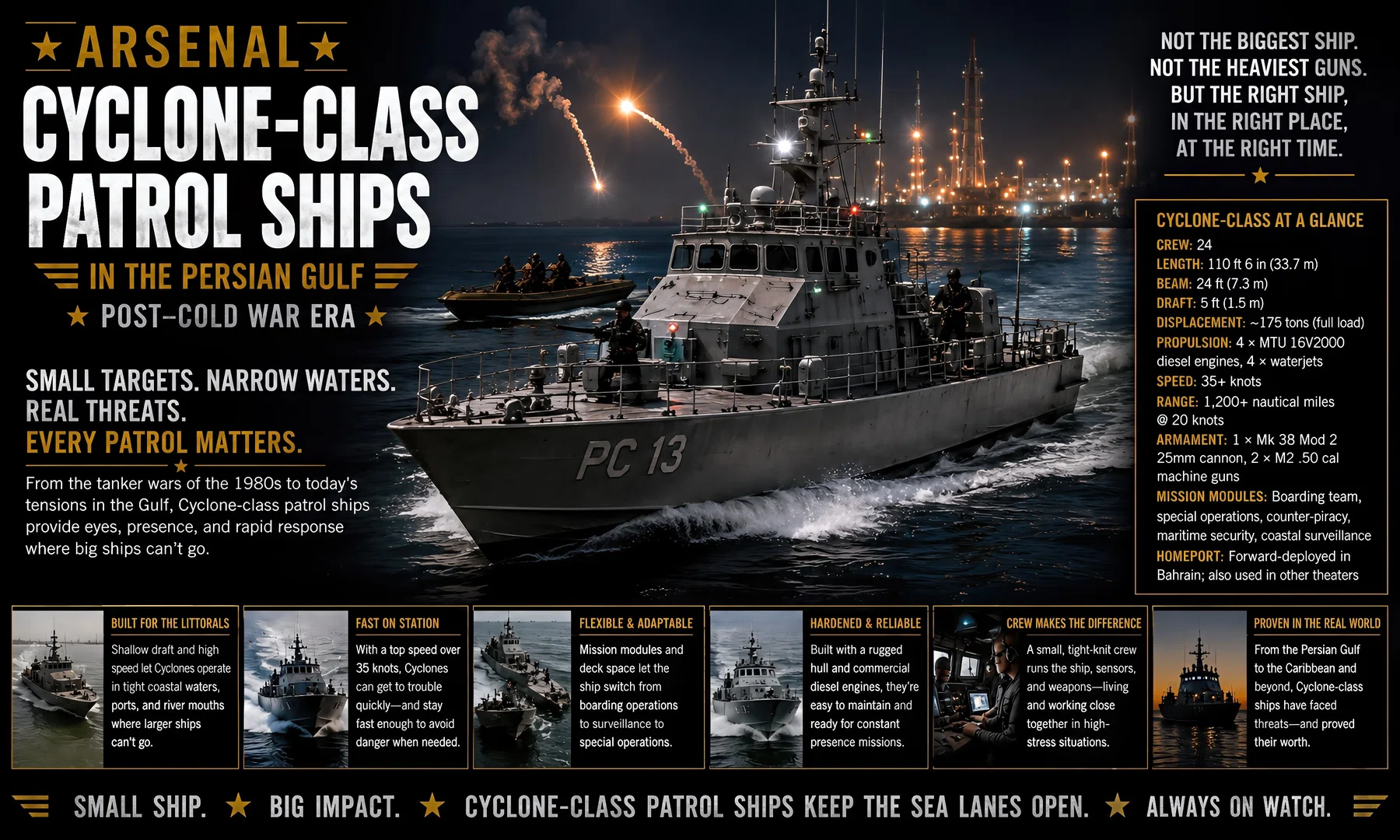
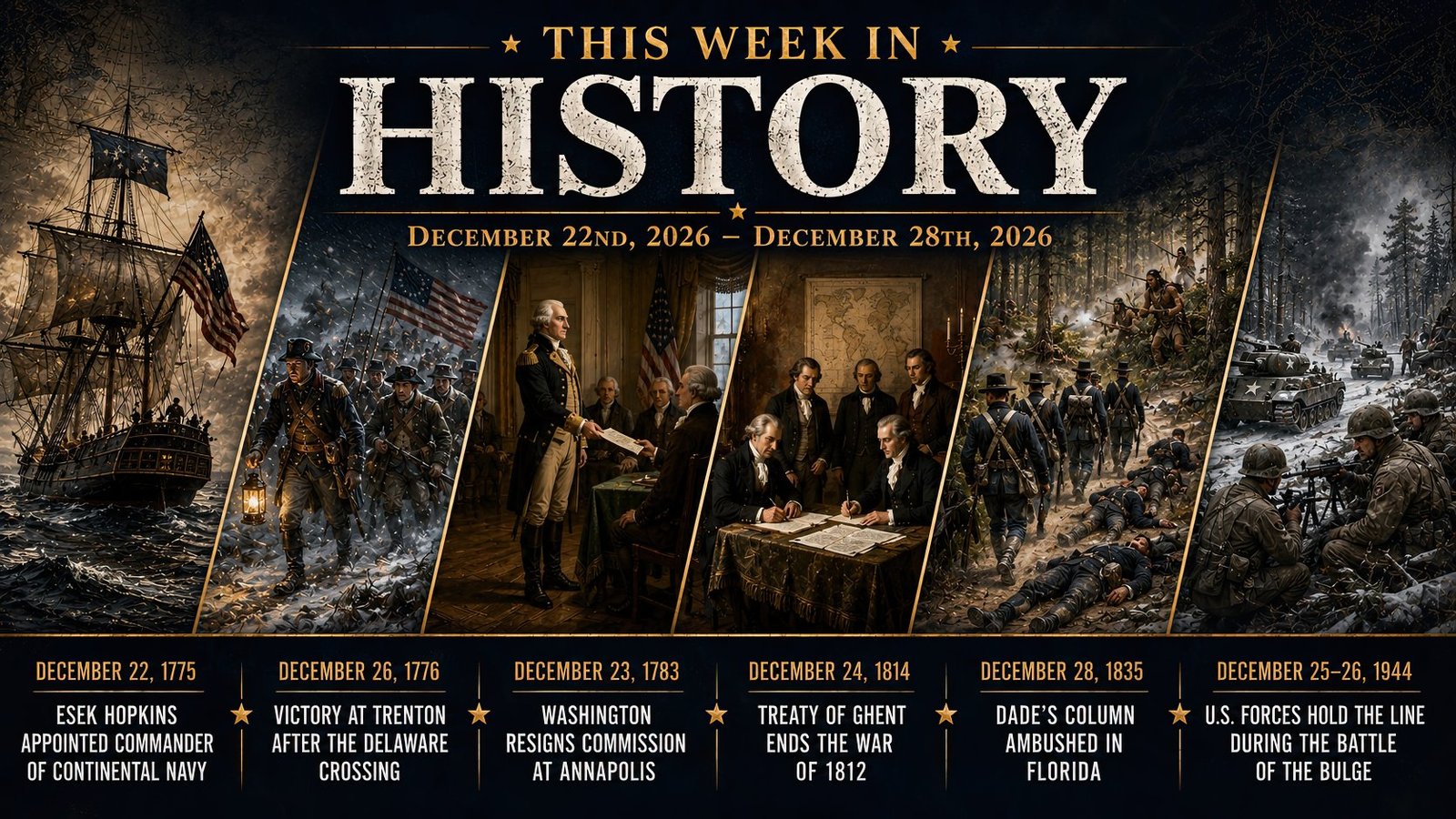
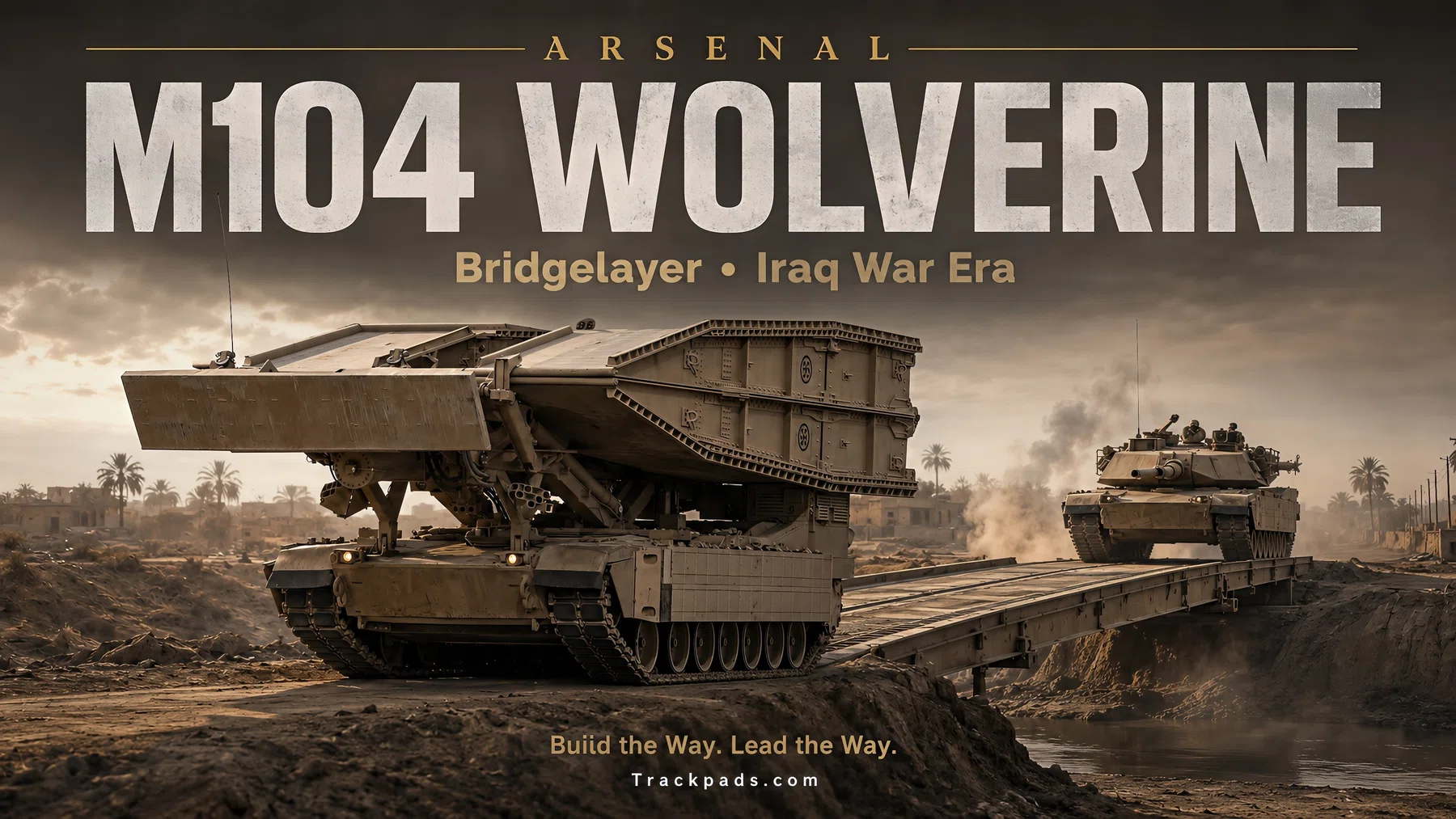
Related Arsenal Guides
These established direct episode links supplement the Wiki directory rather than replace it.