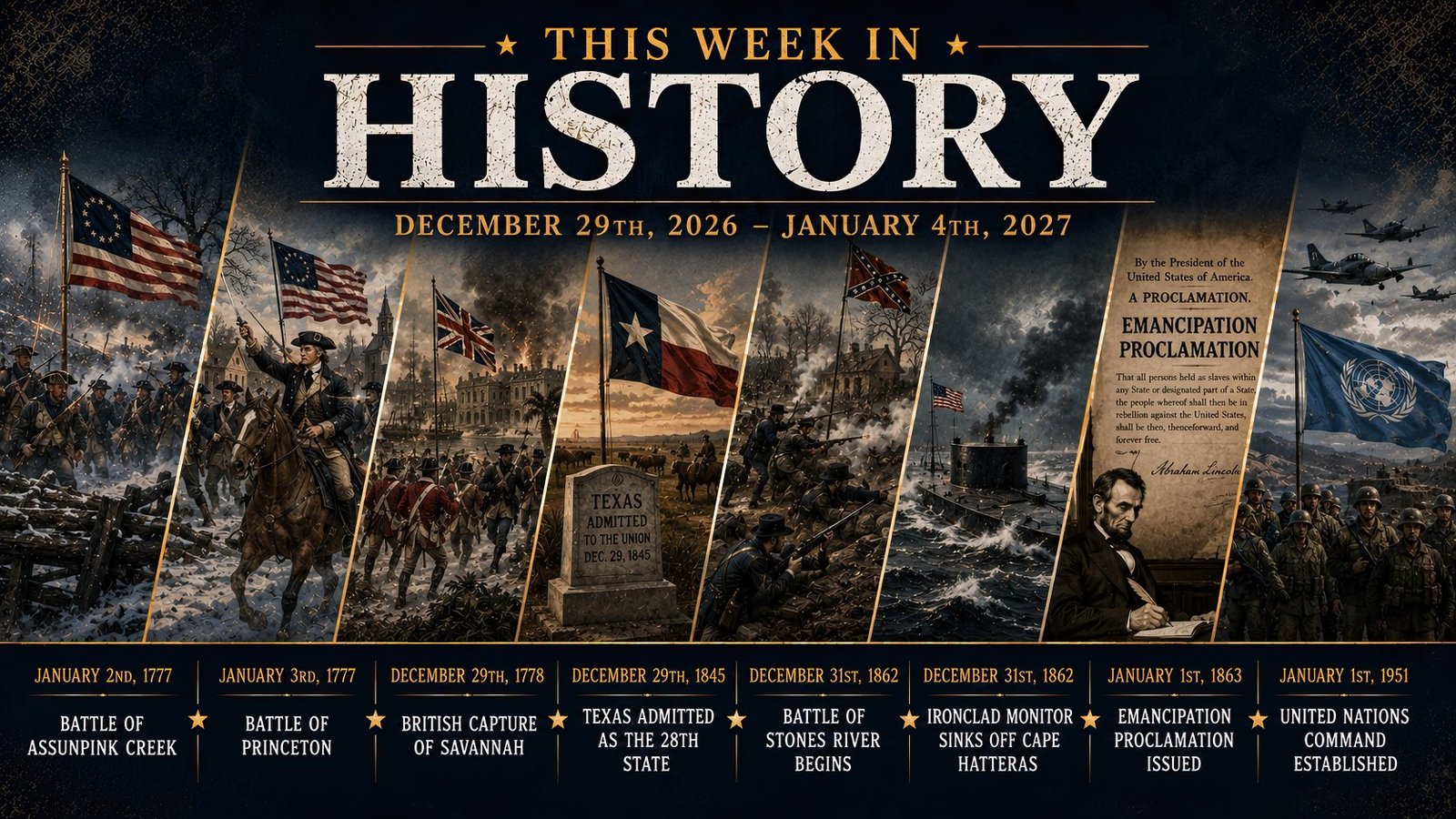
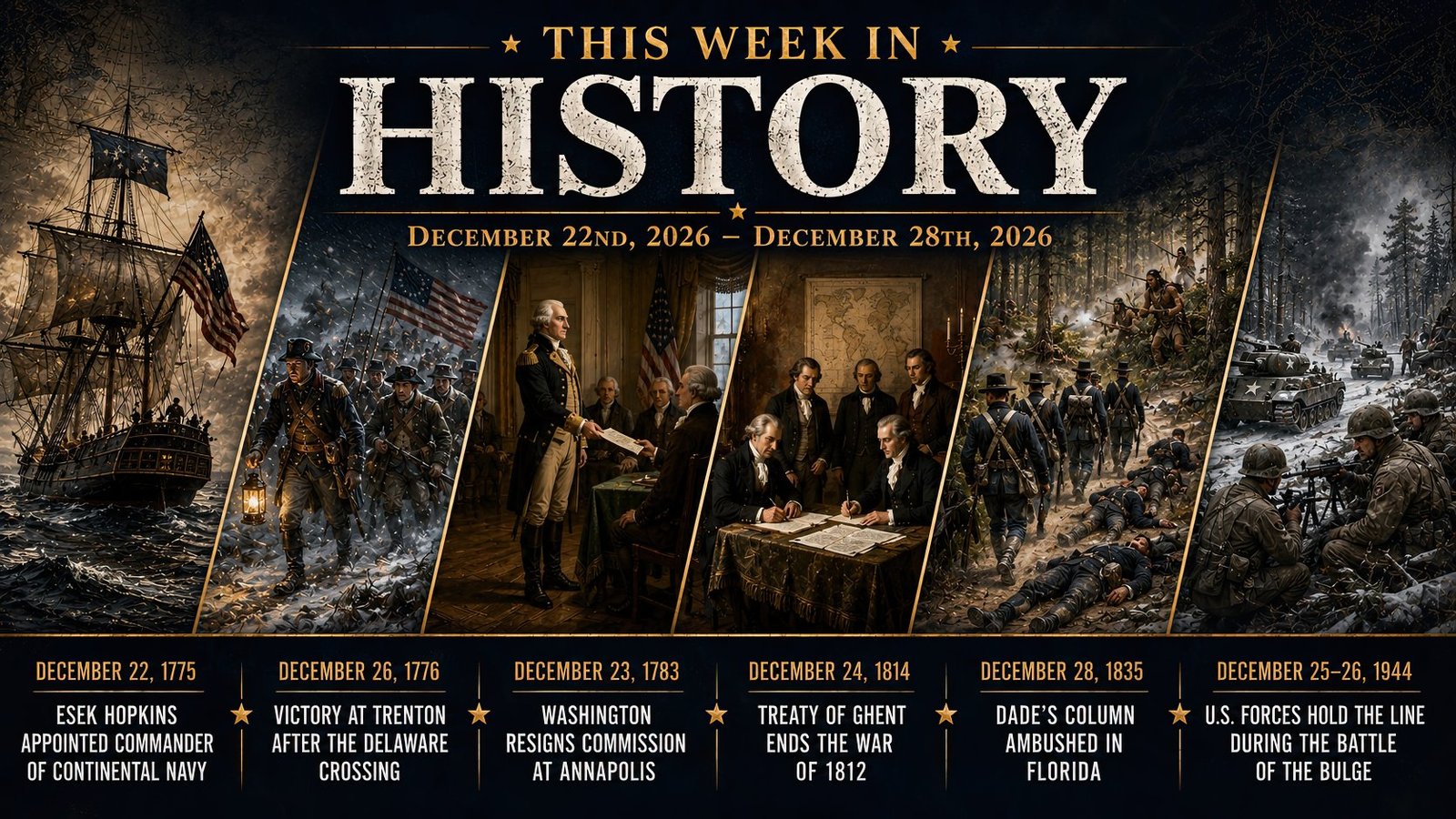
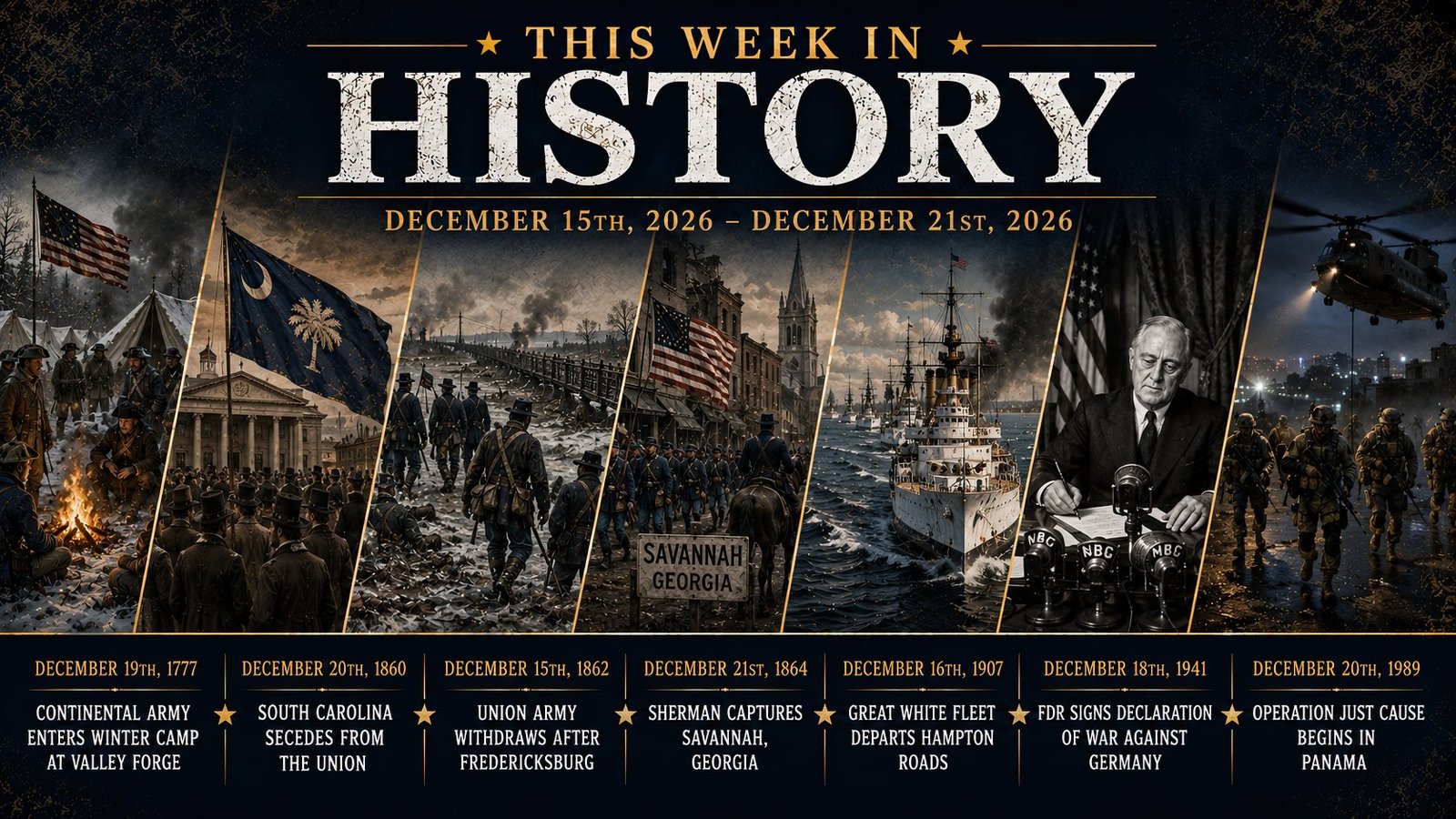
This Week in History · December 29, 2026
136 Populated Entries
Weapons, munitions, integrated systems, design, production, and operational use.
Trackpads Air Archive
Use the dedicated Air Archive for structured aircraft-family profiles, variants, representative specifications, imagery, sources, and design lineage.
Weapons & Weapon Systems
Every result opens a permanent subject record with its reference context and connected Dispatch coverage. Filter by record type, editorial collection, or a word in the entry.
136 entries found.
A story of firepower, protection, and situational awareness told through the soldiers who rode into battle inside the Bradley’s armored hull.
On December 1st, 1950, in the mountains of North Korea near the Chosin Reservoir, United States Marines and attached soldiers were fighting a different kind of battle for survival.
A story of rugged, go-anywhere airlift told through the crews who flew into short, rough strips under fire and the troops who depended on them.
A story of reach and reliability told through the crews and missions that defined it.
A story of reach and risk told through the aircrews who flew one of the largest aircraft ever built into the heart of modern war.
Nearly nine months after the opening invasion of Iraq, United States forces were still hunting for Saddam Hussein, whose regime had collapsed but whose presence loomed over the growing insurgency.
A story of flexible firepower and fragile hulls, told through the cruisers and crews that fought their way across the Pacific.
At Groton, Connecticut, the United States Navy stepped into a new era when USS Nautilus, the world’s first nuclear-powered submarine, was commissioned on September 30th, 1954.
By August 31st, 1950, United States and South Korean troops clung to a shrinking defensive line around the port of Pusan, the last major foothold on the Korean Peninsula.
In October 1962, reconnaissance photographs revealed Soviet ballistic missiles being installed in Cuba, within range of American cities and bases.
On this date, the President was briefed on photographs taken two days earlier by a high-altitude reconnaissance flight, revealing that the Soviet Union was secretly installing medium-range nuclear missiles in Cuba.
In October 1962, the discovery of Soviet nuclear missiles in Cuba put United States forces on some of the highest alert levels in their history.
The nuclear tensions of the early Cold War peaked when the United States discovered offensive missiles being installed in Cuba.
The snow was hard as concrete on the Belgian hillside, the January cold locking the ground into a sheet of ice. Staff Sergeant Curtis F. Shoup and the soldiers of his company lay sprawled on that frozen slope, their dark uniforms stark against the white as German machine guns raked the hillside. The attack had stalled almost as soon as it began. The enemy gun on the rising ground ahead had perfect fields of fire, sweeping every fold and hollow where the Americans tried to move.
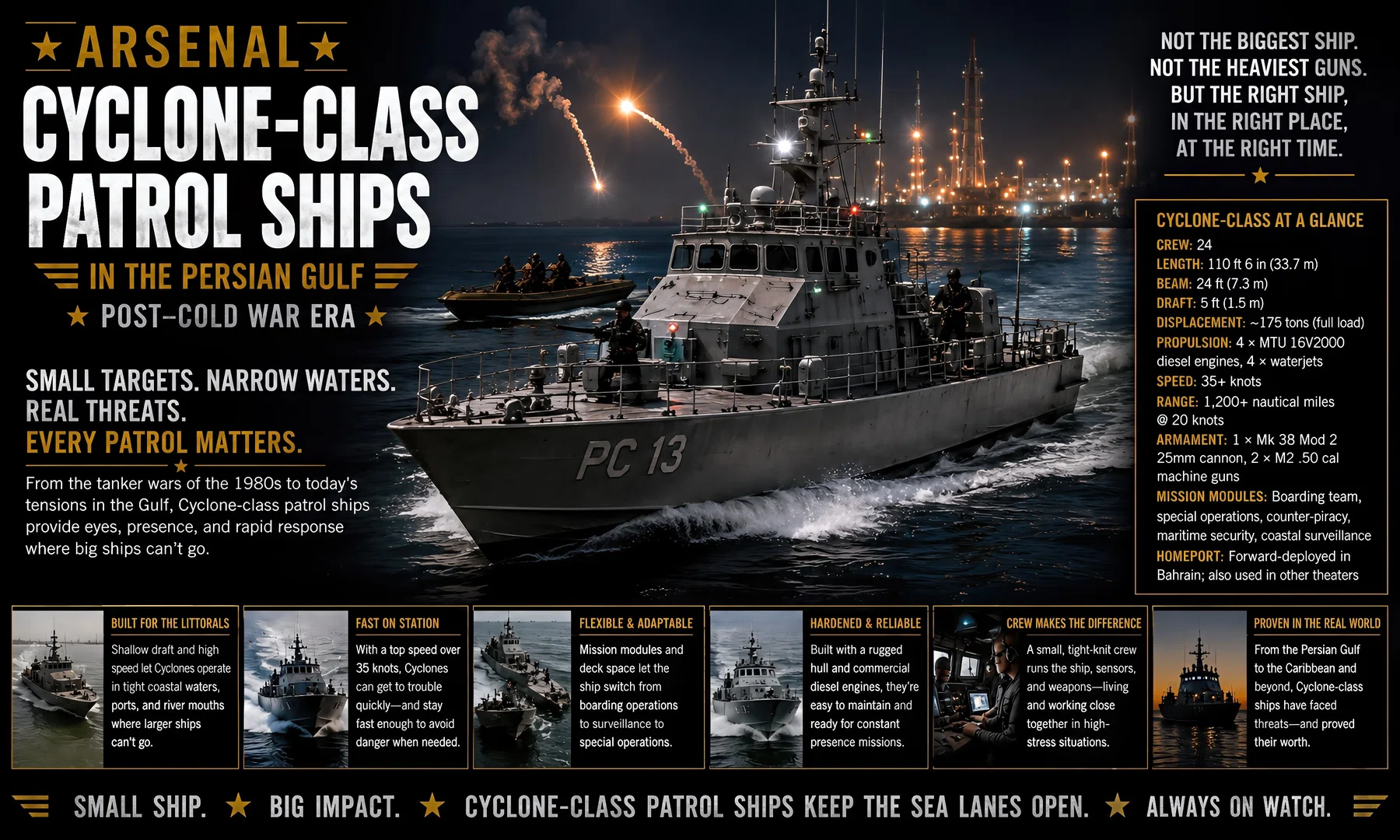
A story of littoral patrol, close-in surveillance, and small crews standing between fragile targets and fast, unpredictable threats.
In the early 1960s, as Cold War crises multiplied from Berlin to Southeast Asia, American leaders recognized that military intelligence needed more unified direction.
Even before a formal declaration of war against Germany, the United States Navy was escorting convoys in the North Atlantic, confronting the realities of submarine warfare.
The jungle pressed in on both sides of the Ormoc Road, a narrow ribbon of mud and broken pavement cutting through the hills near Limon on the island of Leyte. December rain had turned the ditches into brown pools. American infantrymen crouched behind a hasty roadblock of felled trees, sandbags, and wrecked vehicles, listening to the grinding approach of steel.
A story of airborne radar, battle management, and nervous crews watching the air war unfold on glowing scopes far from the front line.
A story of adaptation, invisible firepower, and joint-force dependence told through the aviators and campaigns that defined these electronic attack aircraft.
On December 19th, 1944, senior Allied commanders met to assess the Ardennes crisis, and General Dwight D.
The winter sky over the Anzio beachhead was a low, gray lid, pressing the sound of guns back down onto the men below. Along a shallow drainage ditch called the Fossa Femminamorta, muddy water slid past tufts of grass and shattered reeds. Somewhere ahead, beyond the next bend, German machine guns covered the open fields that stretched away from the ditch, anchoring a strongpoint that threatened the entire attack.
A story of long-range, low-level strike power told through the crews who trusted a swing-wing bomber to take them into the heart of modern air defenses and back again.
A story of stealth, precision, and shock told through the pilots who flew the first operational stealth attack aircraft into the heart of enemy air defenses.
Related Dispatch
These current Dispatch articles connect directly to records in the Weapons & Weapon Systems directory.
Related Arsenal Guides
These established direct episode links supplement the Wiki directory rather than replace it.