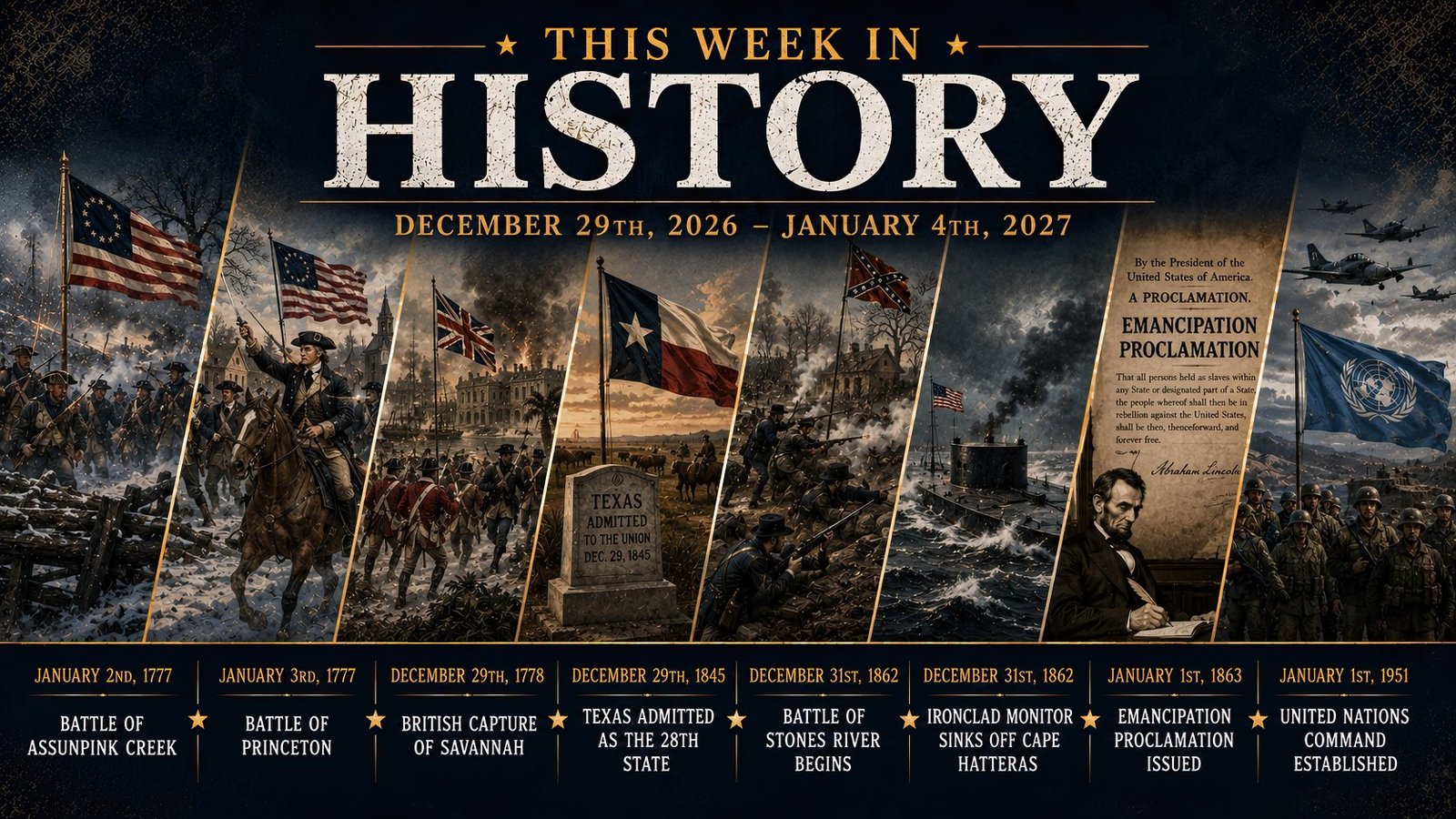
This Week in History · December 29, 2026
219 Populated Entries
Military platforms across land, air, sea, and supporting domains.
Vehicles, Aircraft & Ships
Every result opens a permanent subject record with its reference context and connected Dispatch coverage. Filter by record type, editorial collection, or a word in the entry.
219 entries found.
A story of reach and persistence told through the pilots who rode the thin air and the targets they photographed far below.
In the wake of the September 11th attacks, defense planners reexamined how the United States organized its military commands to protect the homeland.
A story of reach, survivability, and adaptation told through the pilots, crews, and troops who lived and fought under the Huey’s rotors.
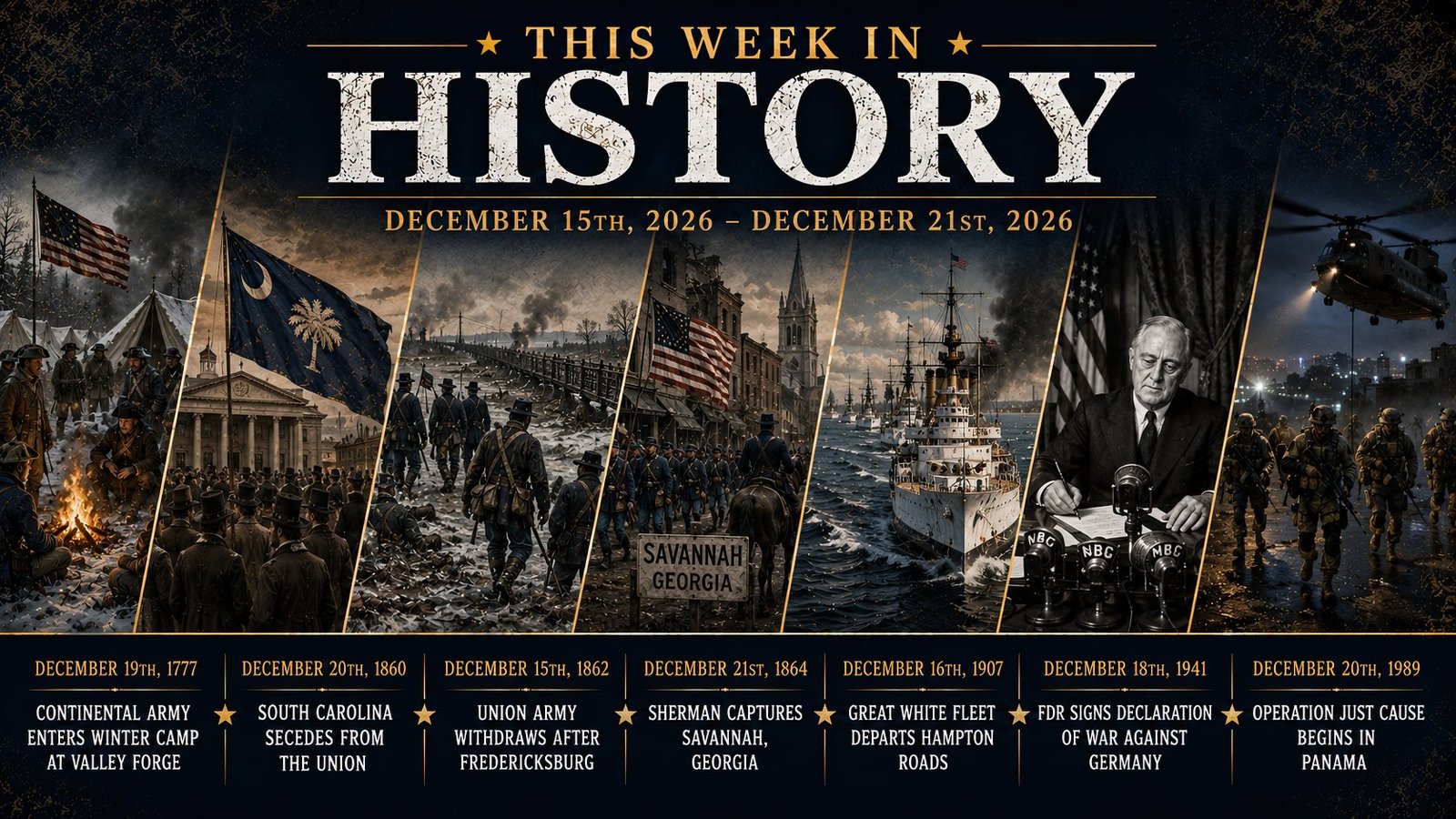
By December 15th, 1862, the Army of the Potomac was pulling back across the Rappahannock River after the bloody defeat at Fredericksburg.
In the aftermath of global war, American leaders restructured their armed forces to meet emerging strategic realities.
Fifty-five years later to the day, on December 7th, 1917, the United States again made a momentous move, this time with a declaration of war against Austria-Hungary.
The day after Japanese aircraft and submarines attacked Pearl Harbor and other Pacific outposts, President Franklin Roosevelt addressed Congress in a joint session that would be remembered for its “day of infamy” language.
On this date, the Continental Congress resolved that the “United Colonies” would henceforth be known as the “United States of America.” It was a decision made in the middle of a war whose outcome was far from certain, but it gave the rebellion a clearer political…
Not every turning point comes with smoke and cannon fire.
A boiler explosion aboard the gunboat Bennington on July 21, 1905 turned routine naval service into a mass-casualty emergency. Rescue, medical care, investigation and public mourning followed.
Read Entry →Event · 2026-05-26USS Chesapeake vs HMS ShannonJust days after Fort George fell, another drama played out at sea off the American coast. On June 1st, 1813, the American frigate USS Chesapeake sailed from Boston to challenge the British blockading ship HMS Shannon. In a furious, close-range engagement that lasted only minutes, British gunnery and boarding tactics shattered the Chesapeake’s crew, leaving Captain James Lawrence mortally wounded.
Early in the War of 1812, the United States Navy frigate Constitution intercepted the British frigate Guerriere in the Atlantic and accepted battle. In a sharp engagement marked by heavy gunnery and aggressive maneuvering, Constitution’s solid hull shrugged off many British round shot, giving rise to the famous nickname “Old Ironsides.” American broadsides dismasted Guerriere and left her so badly damaged that she had to be burned after the crew was removed.
Off the French port of Cherbourg, two warships met in a duel that captured worldwide attention and helped decide a quieter but crucial front in the Civil War. The Confederate commerce raider CSS Alabama had spent years attacking Union merchant shipping across the globe, forcing the United States to divert warships to hunt her and driving up insurance rates.
As revolt simmered in Spanish-ruled Cuba and American public opinion burned with sympathy for Cuban insurgents, the armored cruiser USS Maine steamed into Havana harbor. Officially, the ship’s mission was to make a friendly visit and protect American citizens and interests in case unrest spilled over. Unofficially, her presence sent a blunt message that the United States was watching events closely and was willing to show the flag in Spain’s troubled colony.
On the night of February 15th, 1898, the battleship USS Maine exploded and sank while riding at anchor in Havana Harbor, killing more than two hundred American sailors. The ship had been sent to Cuba during a period of unrest as a visible symbol of United States interest in the island’s struggle against Spanish rule. When the Maine erupted and settled into the harbor mud, the immediate cause was unclear, and controversy over that cause continues in various forms even today.
A story of nuclear propulsion, undersea endurance, and how one boat reshaped the Cold War at sea.
In the Cold War, geography and technology combined to redefine what counted as a front line. The nuclear-powered submarine USS Nautilus had already shown that a boat freed from the need to surface for air could stay submerged for long periods. In early August 1958, Nautilus undertook a bold transit under the polar ice cap, passing directly beneath the geographic North Pole on August 3rd.
On a winter day on the Potomac River in 1844, the brand-new steam warship USS Princeton hosted Washington dignitaries for a demonstration cruise. The pride of the ship was a massive naval gun nicknamed “Peacemaker,” intended to showcase the Navy’s technical skill and the promise of long-range, heavy artillery at sea.
In the chilly waters off the Korean coast, the lightly armed intelligence-gathering ship USS Pueblo operated under orders to monitor North Korean communications. On January 23rd, 1968, North Korean patrol craft closed in, opening fire and boarding the ship after a tense confrontation in which one American sailor was killed and others wounded. The crew attempted to destroy classified material, but much was seized along with the ship itself.
On the evening of May 17th, 1987, the guided missile frigate USS Stark patrols the Persian Gulf during the long Iran–Iraq War, monitoring traffic in tense and crowded waters. An Iraqi aircraft approaches and launches two anti-ship missiles that strike the ship, causing fires and damage that kill dozens of sailors. In the chaos that follows, the crew fights to control the blaze, tend to the wounded, and keep the ship afloat in darkness and smoke.
The B-17 was almost home when the choice arrived over the radio: bail out, or try to land a dying airplane. The long mission over Leipzig was behind them, but the bomber itself was torn open—control cables shot away, engines coughing, the fuselage peppered with holes where German fighters had raked the formation. In the cockpit, the copilot lay dead. The pilot, badly wounded, had been dragged from his seat and now drifted in and out of consciousness, strapped down behind the controls.
The morning sky over northern Luzon is deceptively calm. From the cockpit of his sleek reconnaissance Mustang, Major William Arthur Shomo scans the broken clouds, hunting for airfields and antiaircraft positions that his ground commanders need to see. His mission is straightforward on paper: an armed photographic and strafing sweep over the Aparri and Laoag airdromes, far ahead of friendly lines.
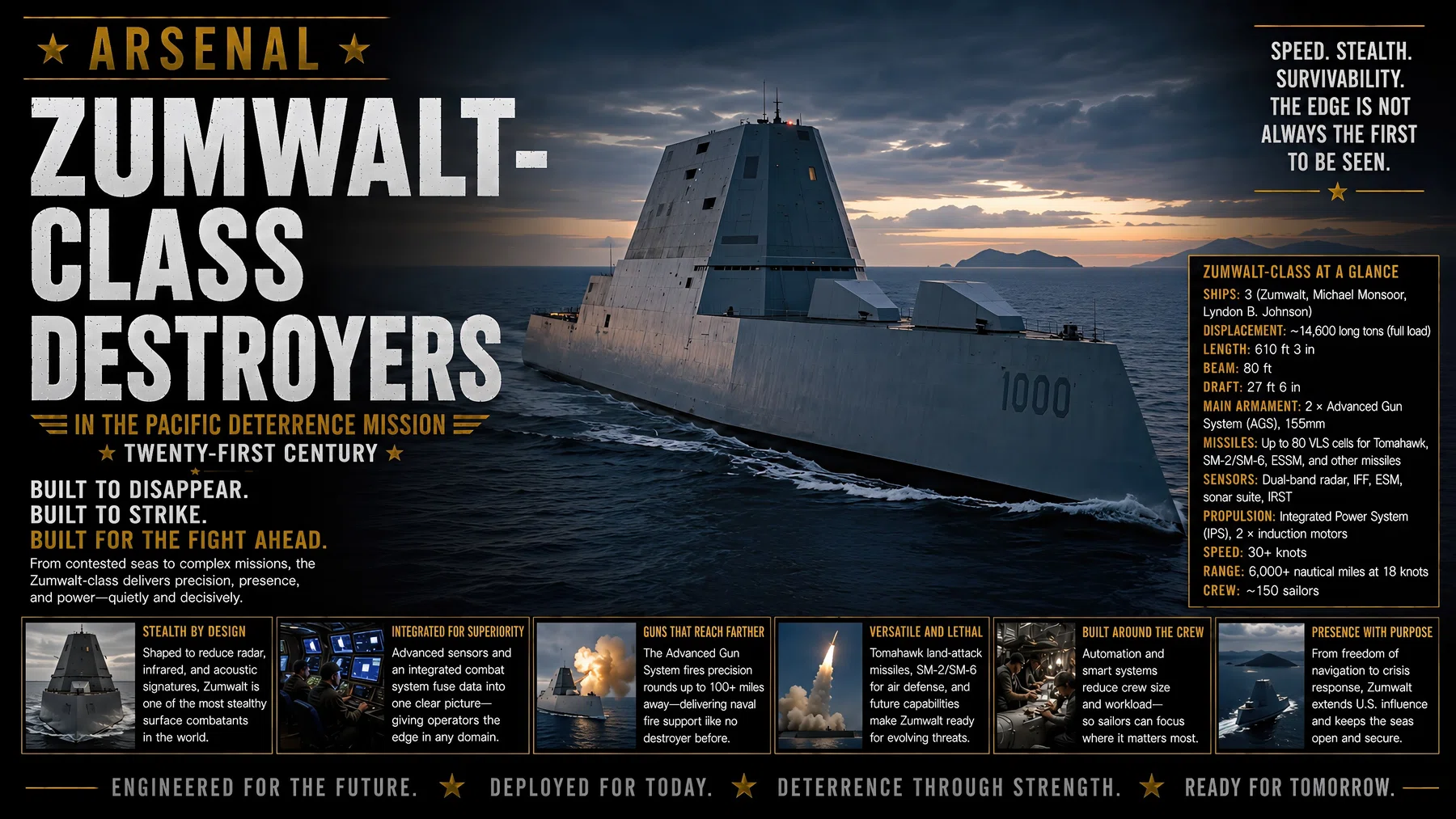
A story of stealth, electric power, precision strike, and ambition told through the sailors and systems that defined one of the most unusual warships ever built.
As war raged in Europe and Asia, President Franklin Roosevelt took to the radio on December 29th, 1940, to explain why events overseas mattered deeply to American security.
Related Dispatch
These current Dispatch articles connect directly to records in the Vehicles, Aircraft & Ships directory.
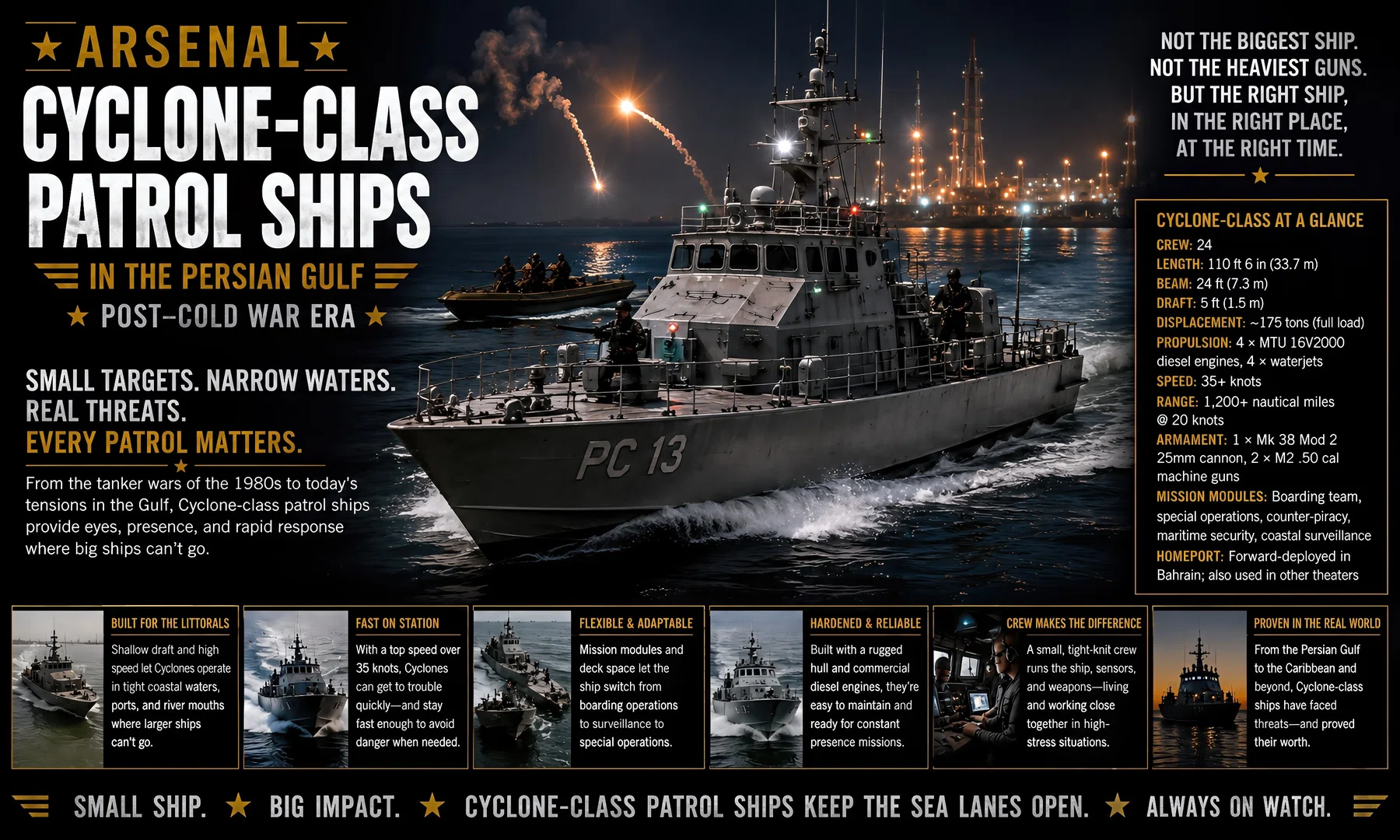
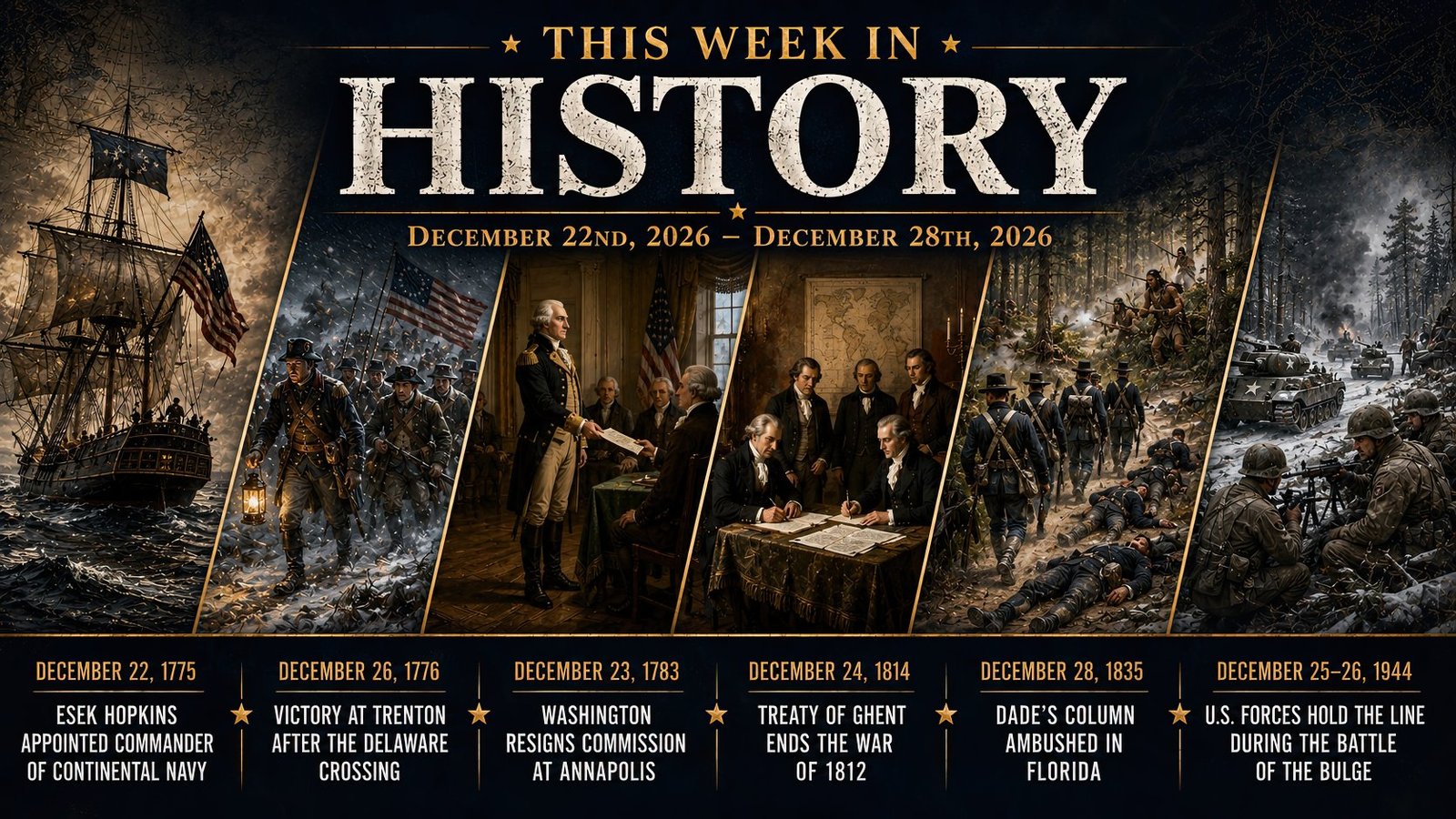
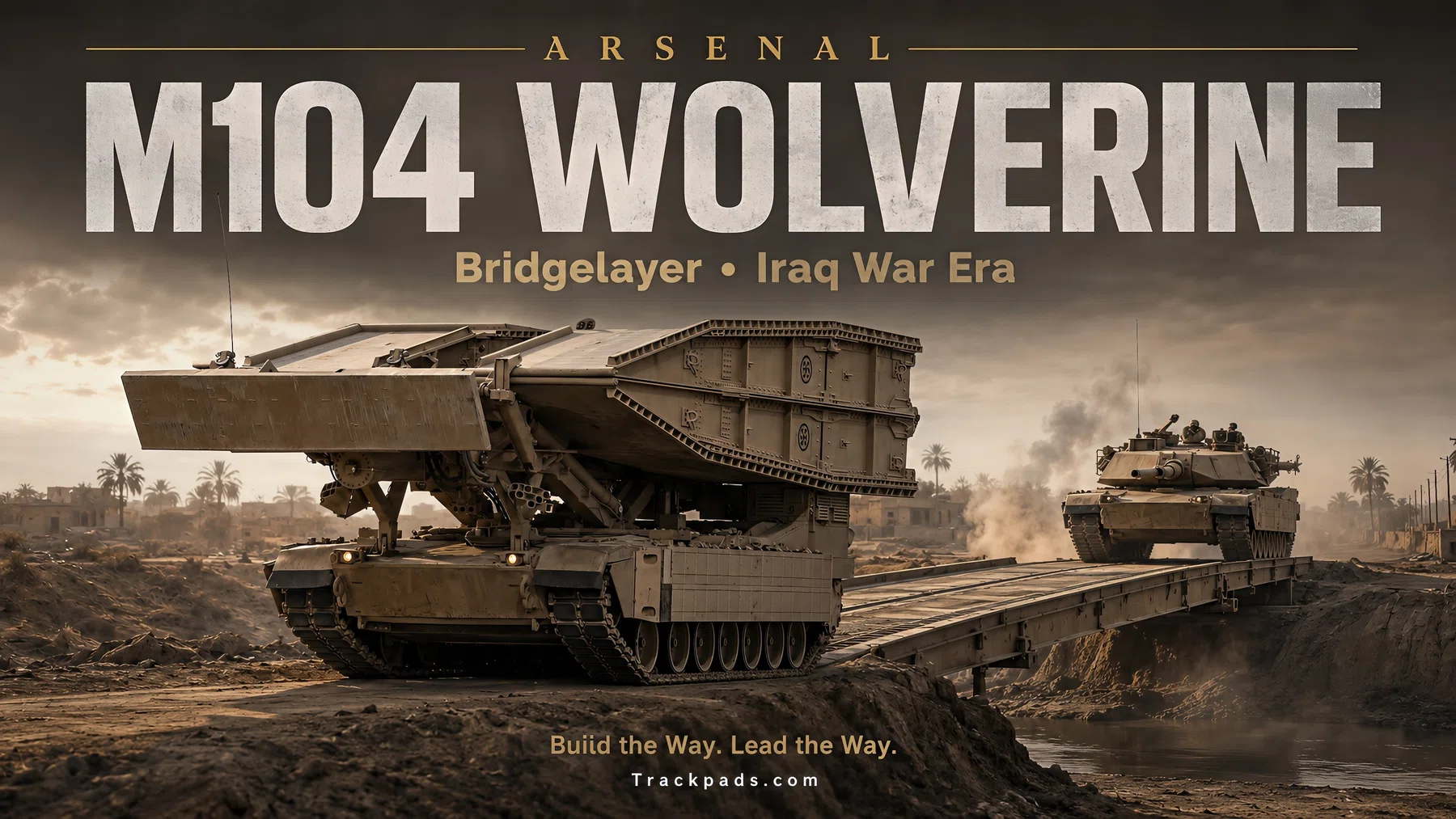
Related Arsenal Guides
These established direct episode links supplement the Wiki directory rather than replace it.