Reference Entry
TRENT AFFAIR AT SEA
Only one day after the Port Royal victory, another Union action at sea nearly widened the war in a dangerous direction.
Dated Historical Context
A RECORDED MOMENT IN HISTORY
Trent Affair at Sea
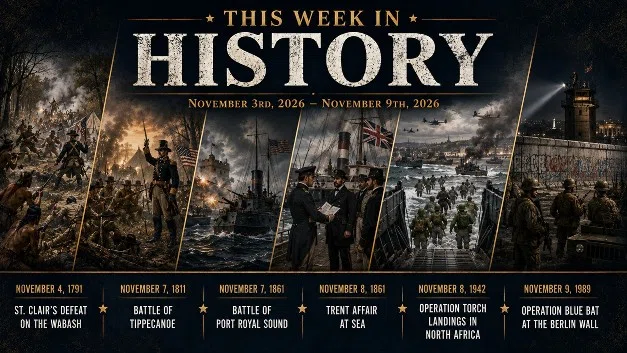
Only one day after the Port Royal victory, another Union action at sea nearly widened the war in a dangerous direction. On November 8th, 1861, the United States warship San Jacinto, commanded by Captain Charles Wilkes, stopped the British mail steamer Trent in international waters. Wilkes removed two Confederate commissioners, James Mason and John Slidell, who were traveling to Europe in search of diplomatic recognition and support. The seizure thrilled many in the Union public, who saw it as a bold stroke against Confederate diplomacy, but it outraged the British government, which viewed the act as a violation of neutral rights. British forces prepared for possible conflict, and the prospect of facing both the Confederacy and the British Empire at once suddenly became real. After tense weeks, President Abraham Lincoln’s administration agreed to release the envoys, accepting that the legal case was shaky and that “one war at a time” was the wiser course, showing how naval operations and diplomacy were tightly bound together.
Read the complete weekly DispatchTrackpads Source Register