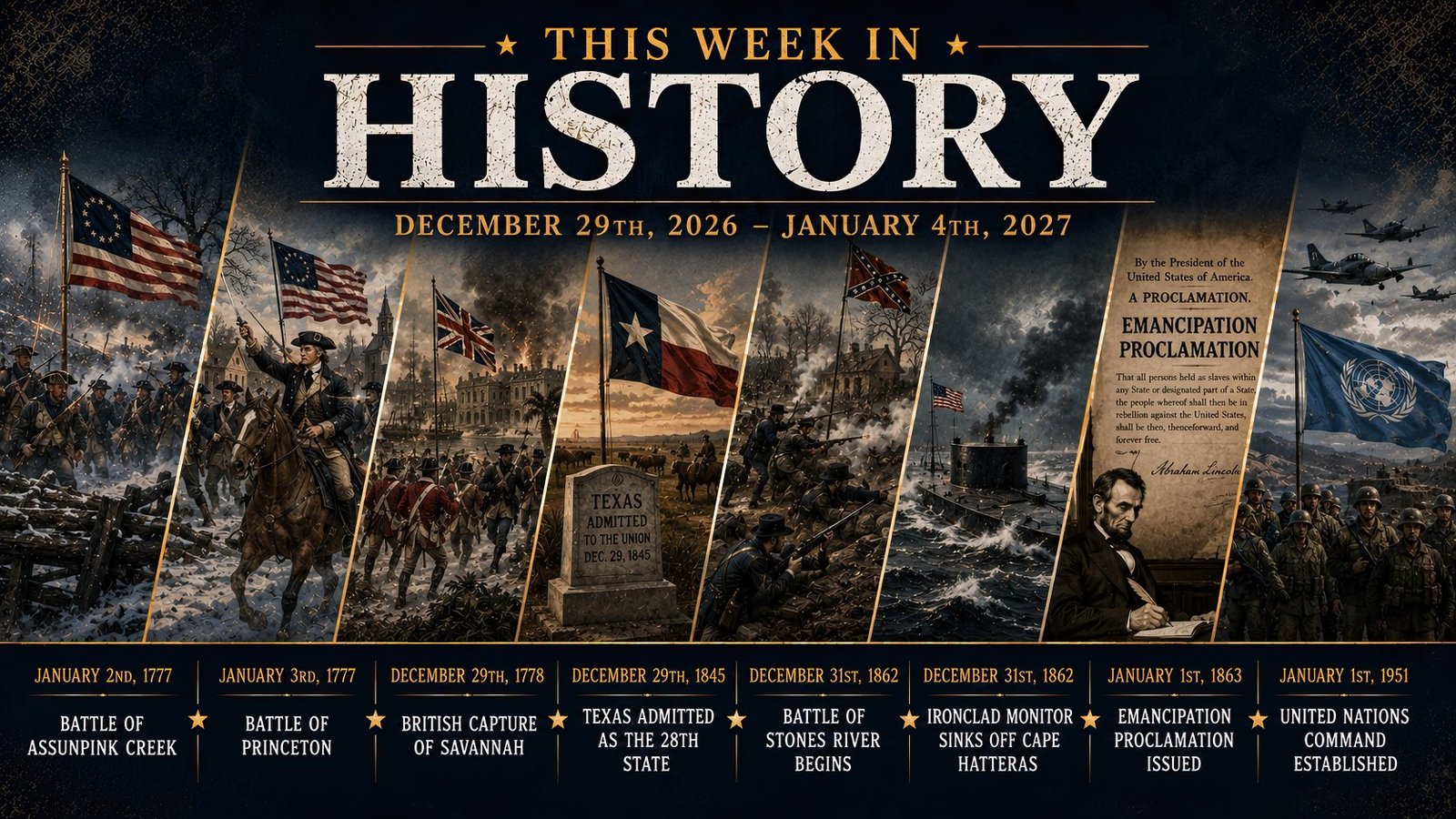
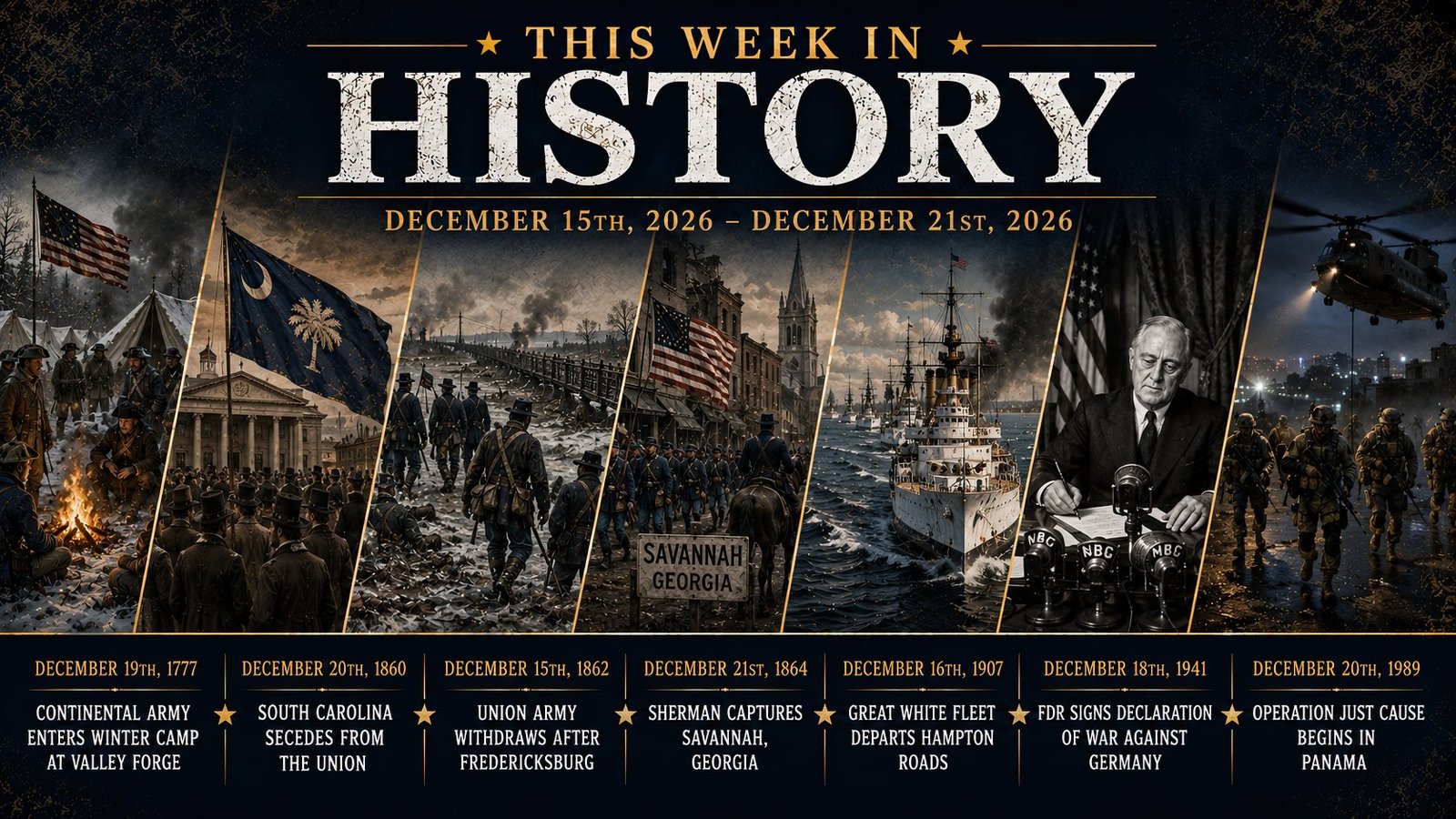
This Week in History · December 29, 2026
219 Populated Entries
Military platforms across land, air, sea, and supporting domains.
Vehicles, Aircraft & Ships
Every result opens a permanent subject record with its reference context and connected Dispatch coverage. Filter by record type, editorial collection, or a word in the entry.
219 entries found.
In the bitter winter of 1944, the Belgian town of Bastogne became a focal point of the last major German offensive in the West.
Two years later, American forces carried that growing momentum back to the Philippines.
In the autumn before formal American entry into the Second World War, United States warships were already escorting convoys and trading shots with German submarines in the North Atlantic.
Just two days after the Star of the West was fired upon, delegates in Montgomery voted on Alabama’s future in the Union. On January 11th, 1861, the state convention adopted an ordinance of secession, aligning Alabama with the already departed South Carolina and Mississippi. The decision brought another of the Deep South states into the emerging Confederate camp, tightening the ring of seceded territory along the Gulf Coast and adding manpower, industry, and strategic ports to the rebellion.
A story of block-by-block urban fighting and the hard decision to take back a city at any cost.
Along the Gulf Coast, Union planners sought to open a route into Texas by sending a naval expedition and troop transports toward Sabine Pass at the border with Louisiana.
In the closing weeks of the First World War, American units were grinding forward in the Meuse-Argonne offensive against deeply entrenched German defenses.
As the Pacific war neared its end, the heavy cruiser USS Indianapolis completed a secret mission: delivering components of the first atomic bomb to a base on Tinian. After departing without a dedicated escort, the ship steamed west toward the Philippines. Shortly after midnight on July 30th, a Japanese submarine fired torpedoes that tore into the cruiser’s side. The ship sank in minutes, and around a thousand sailors and Marines were cast into the open ocean with few lifeboats.
In the early hours of October 31st, 1941, the Clemson-class destroyer USS Reuben James was escorting a convoy near Iceland when a German submarine fired a spread of torpedoes into the formation.
The technological face of United States naval power carried its own risks, even in peacetime. On May 23rd, 1939, the submarine USS Squalus submerged for a test dive off the New Hampshire coast and suffered a catastrophic failure in one of its main air and water systems. Seawater flooded aft compartments, sending the boat to the bottom in cold, dark water with part of the crew trapped inside.
As the Vietnam War dragged on, reports of American prisoners held deep inside North Vietnam weighed heavily on families, policymakers, and military planners.
A story of a precision raid, a missing prize, and how a failed rescue still reshaped a distant war.
A story of speed, altitude, and evasion told through the crews and missions that defined it.
Near the end of the First World War, the American Expeditionary Forces launched their first major offensive as a largely independent army against the German-held St.
In the tense weeks after South Carolina seceded, a small Union relief ship named Star of the West steamed toward Charleston Harbor. Its mission was to bring supplies and reinforcements to Major Robert Anderson’s garrison at Fort Sumter. On January 9th, 1861, as the ship approached the harbor’s defenses, shore batteries manned in part by South Carolina forces and cadets from the state’s military academy opened fire.
Early American submarines were experimental craft, operating at the edge of the technology of their day. On March 25th, 1915, the USS F-4, a small submarine of the F-class, sank during a routine dive near Honolulu, taking her crew with her to the bottom in relatively deep water. Investigators concluded that corrosion and battery problems contributed to hull failure, allowing seawater to flood the boat.
On this day General John Burgoyne’s British army laid down its arms to American forces near Saratoga, New York, ending a failed campaign to cut New England off from the other colonies.
On this date, coordinated terrorist attacks struck the United States homeland in a way not seen before.
On November 14th, 1965, helicopters of the United States Army’s 1st Cavalry Division (Airmobile) began landing infantry battalions near the Chu Pong Massif in the Ia Drang Valley of South Vietnam.
On November 16th, 1776, British and Hessian forces assaulted Fort Washington, the last major Continental stronghold on Manhattan Island.
In the central Pacific, a small Marine garrison and civilian contractors turned Wake Island into a symbol of resistance in the opening days of the Pacific War.
The short but far-reaching Spanish-American War formally ended on December 10th, 1898, when representatives of Spain and the United States signed the Treaty of Paris.
Only one day after the Port Royal victory, another Union action at sea nearly widened the war in a dangerous direction.
Not all significant dates in military history involve combat with a foreign enemy. On April 19th, 1989, a devastating explosion ripped through the Number Two sixteen-inch gun turret aboard the battleship USS Iowa during a gunnery exercise in the Atlantic. The blast killed dozens of sailors inside the turret and surrounding spaces, shocking both the fleet and the public.
Related Dispatch
These current Dispatch articles connect directly to records in the Vehicles, Aircraft & Ships directory.
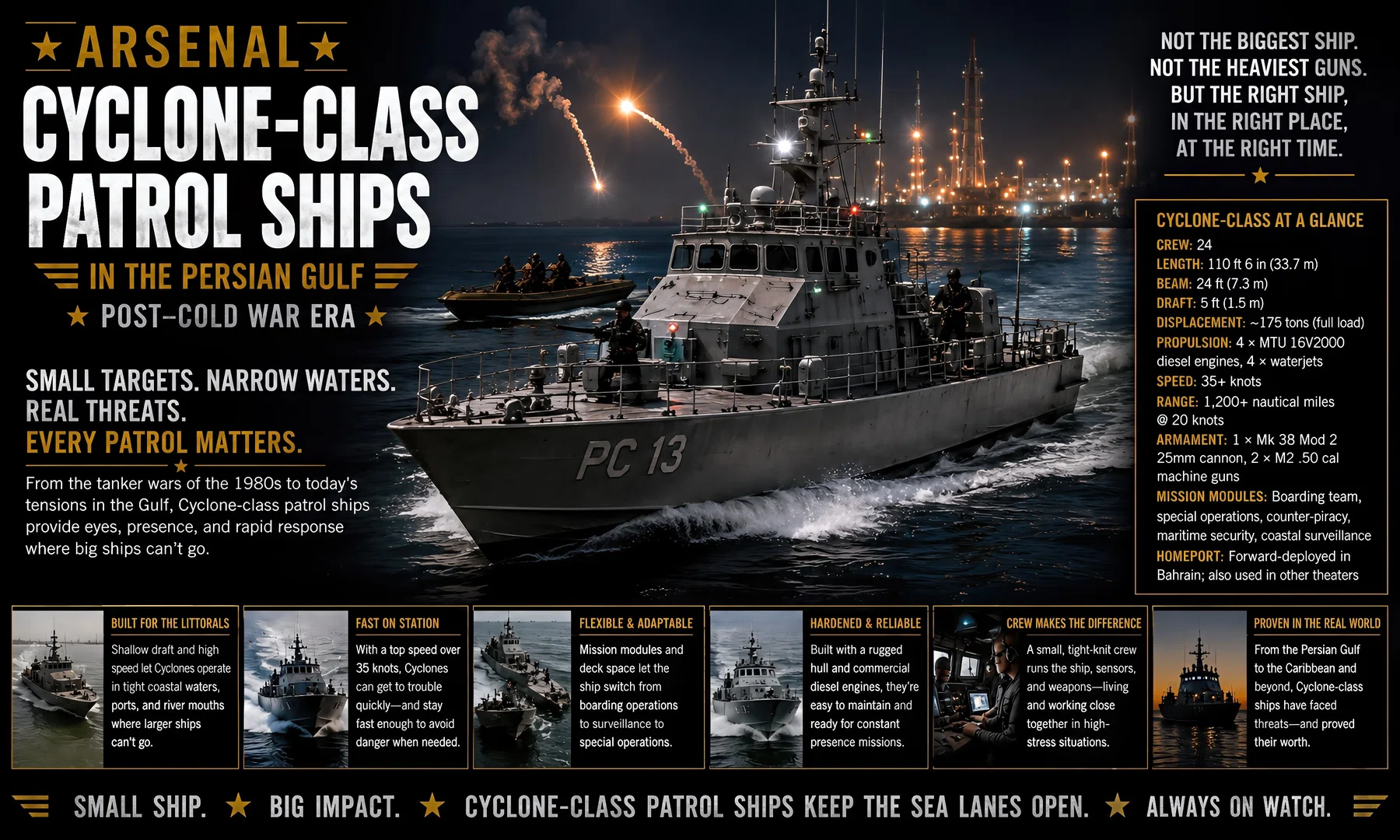
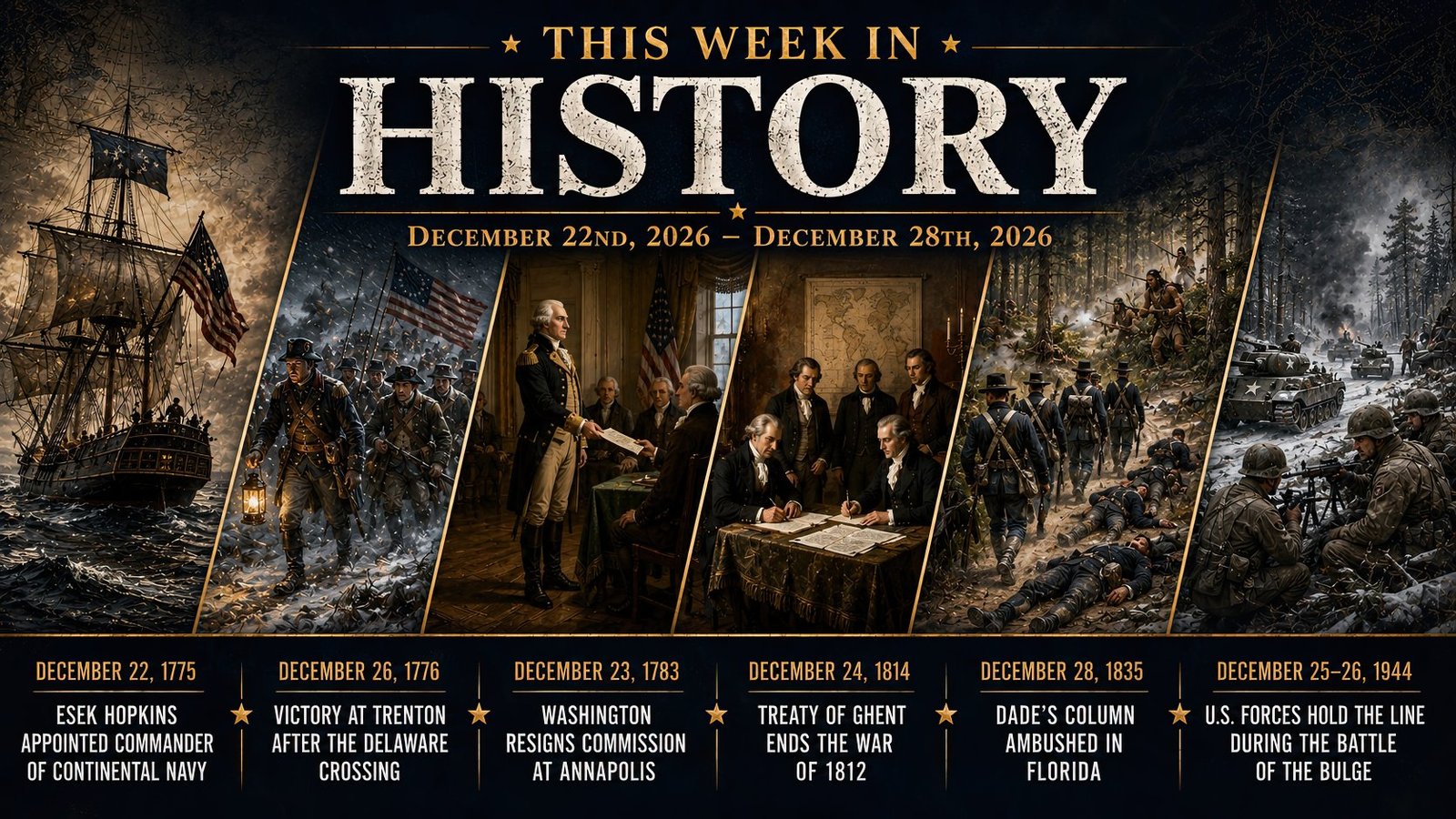
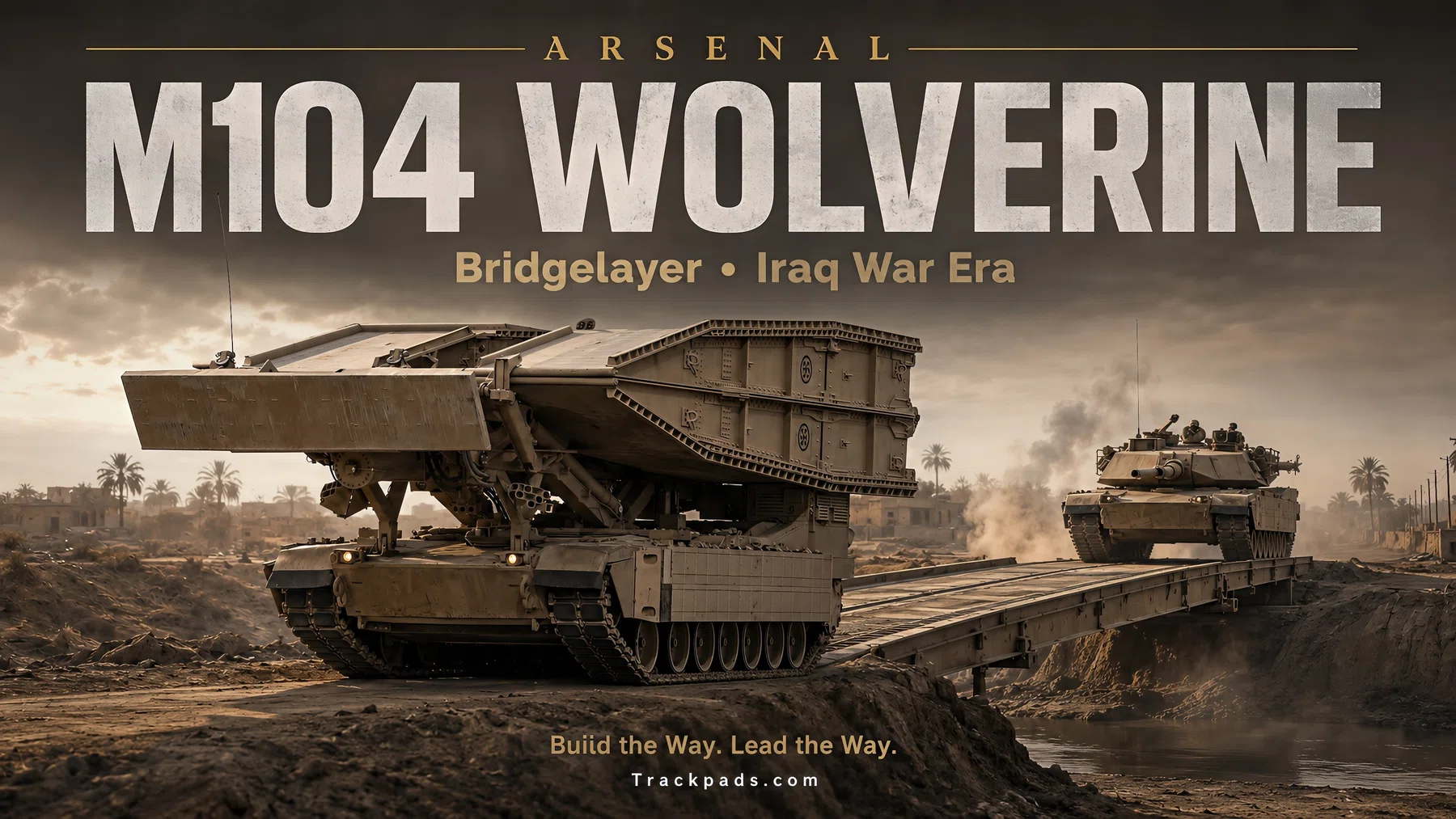
Related Arsenal Guides
These established direct episode links supplement the Wiki directory rather than replace it.