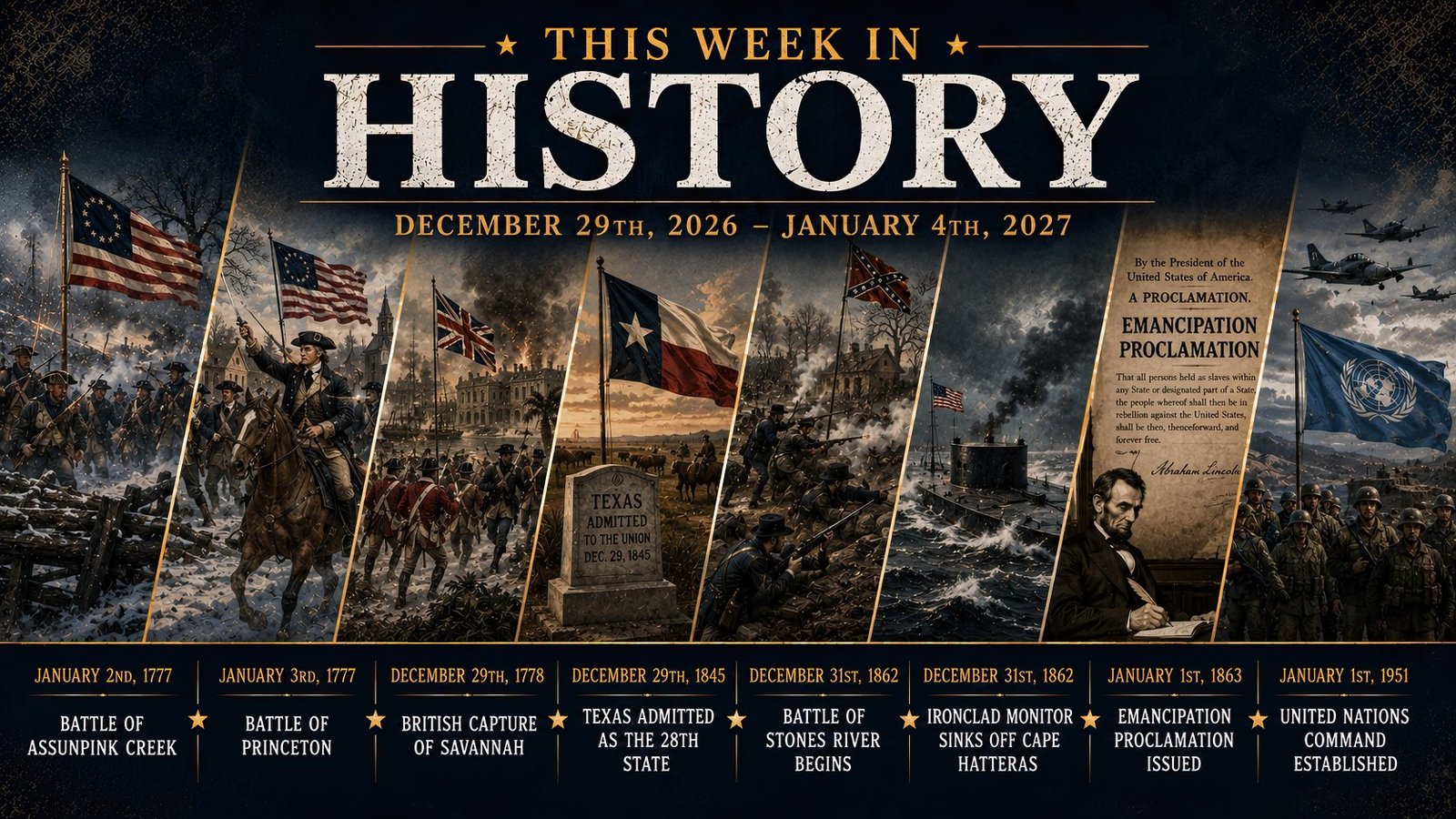
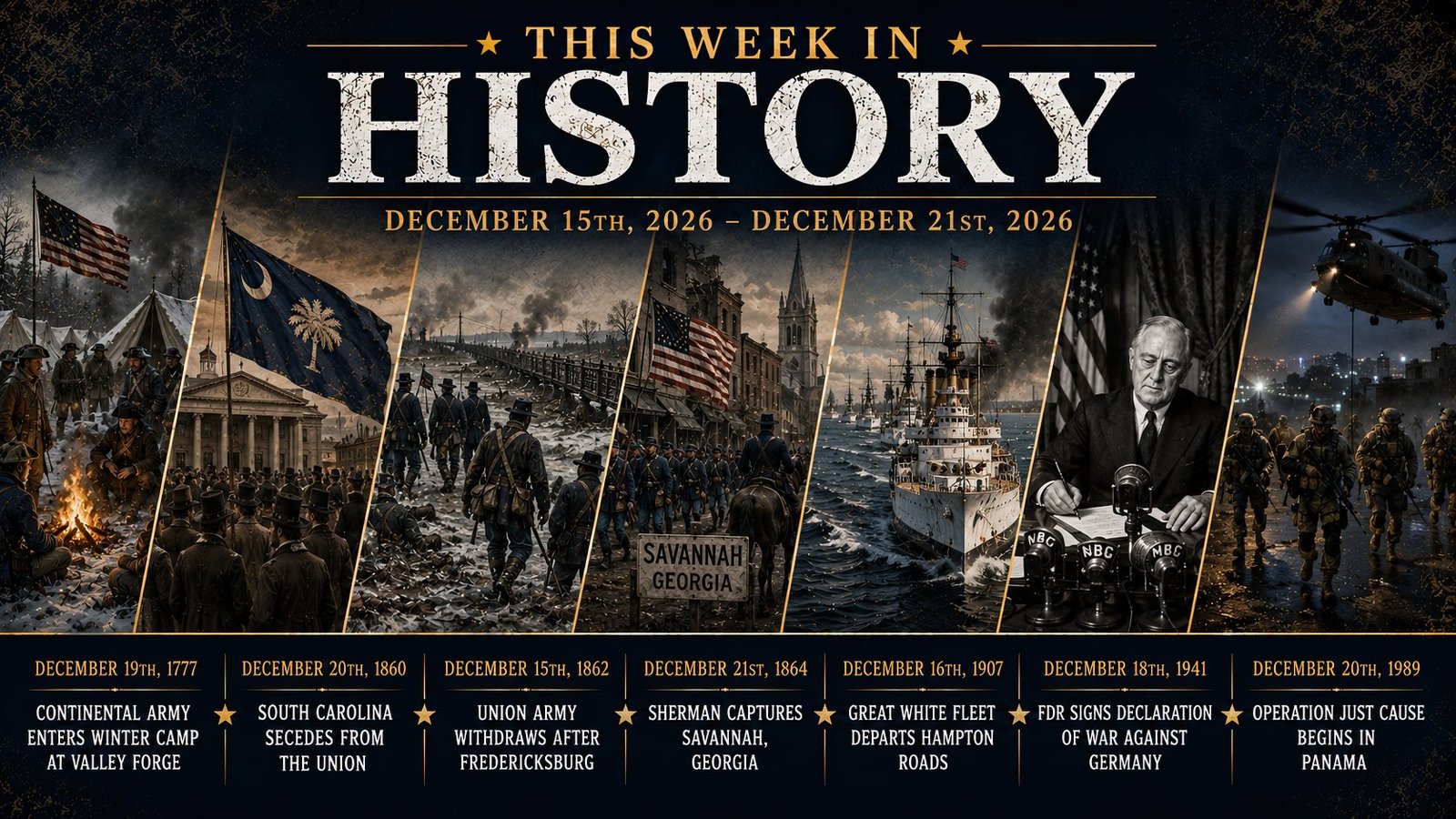
This Week in History · December 29, 2026
233 Populated Entries
Military platforms across land, air, sea, and supporting domains.
Trackpads Air Archive
Use the dedicated Air Archive for structured aircraft-family profiles, variants, representative specifications, imagery, sources, and design lineage.
Vehicles, Aircraft & Ships
Every result opens a permanent subject record with its reference context and connected Dispatch coverage. Filter by record type, editorial collection, or a word in the entry.
233 entries found.
On this day in the War of 1812, Master Commandant Oliver Hazard Perry led a hastily built American squadron against a British flotilla on Lake Erie.
A story of a risky carrier ambush, frantic searches, and a sudden shift in the Pacific war.
A story of an urban raid that turned into a street-by-street survival fight and how it reshaped American intervention abroad.
In the narrow streets of Mogadishu, Somalia, an American special operations raid on October 3rd, 1993 turned into one of the most intense urban fights United States forces had faced since Vietnam.
On December 7th, 1944, as Americans marked the third anniversary of Pearl Harbor, United States forces fought a different battle tied to that first “day of infamy.” Off the Philippine island of Leyte, United States Navy destroyers, escorts, and aircraft struck Japanese…
As peace negotiations played out in Europe, British commanders attempted a major invasion down the Lake Champlain corridor, hoping to carve off parts of northern New York and influence the terms of any treaty.
As the Civil War entered its first winter, Union planners sought a deep-water harbor along the Confederate coast to support a tightening blockade.
A story of a brutal island landing, a coral reef turned killing ground, and how one short battle rewrote amphibious warfare.
As the wider front buckled, the crisis in Korea intensified around the frozen Chosin Reservoir, where United States Marines and attached Army units held positions along mountain roads and ridges.
An unfolding story of carrier decks, radio reports, and long-range strikes that reshaped the Pacific war before the fleets ever met face to face.
In the Second World War, the Aleutian Islands campaign unfolded in harsh seas and fog, far from the better-known fronts of Europe and the central Pacific. On March 26th, 1943, an American cruiser-destroyer force under Rear Admiral Charles McMorris intercepted a Japanese convoy near the Komandorski Islands, northwest of the Aleutians. The enemy escort included heavier cruisers, giving the Japanese an advantage in guns and armor.
On a cold October morning, a makeshift American flotilla under Benedict Arnold waited behind Valcour Island on Lake Champlain for a much larger British squadron sailing south from Canada.
Two decades later, American troops faced a different kind of threat while on peacekeeping duty in Lebanon.
Two days after André’s capture, events reached a crisis on September 25th, 1780, when General Washington traveled to inspect West Point and discovered that Benedict Arnold had fled.
In the early Cold War, the contest for Berlin became a test of whether the Western Allies could sustain a free city deep inside the Soviet occupation zone without surrendering to pressure.
Two days after the blockade began, American and British planners put into motion a response that few had imagined on such a scale: they would feed and fuel an entire city by air. On June 26th, 1948, transport aircraft began flying regular supply missions into Berlin, using narrow air corridors agreed upon at the end of World War II.
On November 10th, 1775, the Continental Congress authorized the raising of two battalions of Marines to serve as soldiers at sea.
As the Vietnam War dragged on, the sustained air campaign against North Vietnam weighed heavily on pilots, ground crews, and the civilians beneath the bombs.
That same date, three years and an ocean away from Hampton Roads and decades after Veracruz, marked one of the most destructive air raids in history. On the night of March 9th, 1945, United States Army Air Forces B-29 bombers carried out a low-level incendiary attack against Tokyo, dropping a mix of bombs designed to ignite the city’s tightly packed, largely wooden neighborhoods.
At the dawn of a new century, American forces operating far from home faced a different kind of threat.
A story of firepower, protection, and situational awareness told through the soldiers who rode into battle inside the Bradley’s armored hull.
On December 1st, 1950, in the mountains of North Korea near the Chosin Reservoir, United States Marines and attached soldiers were fighting a different kind of battle for survival.
On a gray September morning, British warships and transports massed off the east side of Manhattan and began pounding the American positions at Kip's Bay.
A story of rugged, go-anywhere airlift told through the crews who flew into short, rough strips under fire and the troops who depended on them.
Related Dispatch
These current Dispatch articles connect directly to records in the Vehicles, Aircraft & Ships directory.
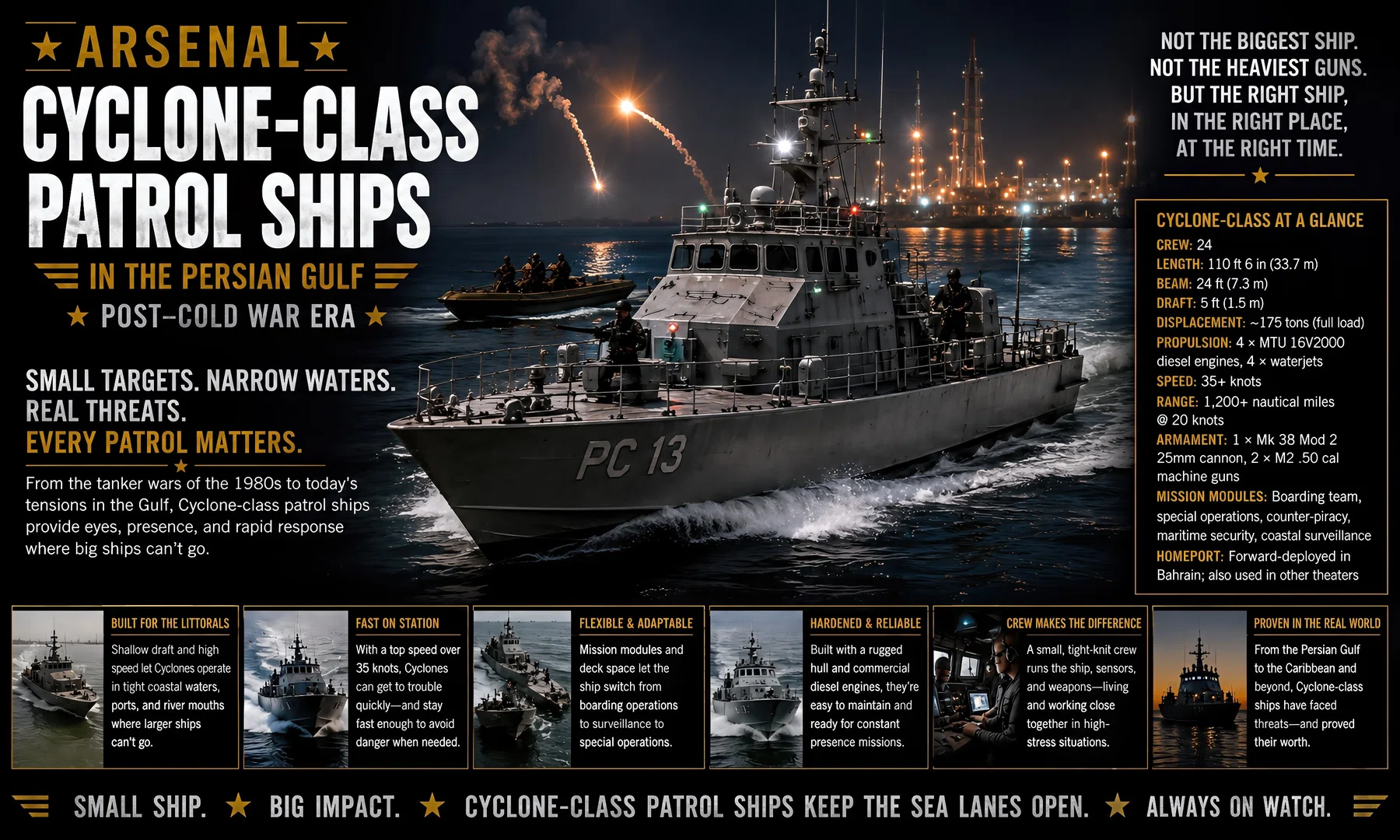
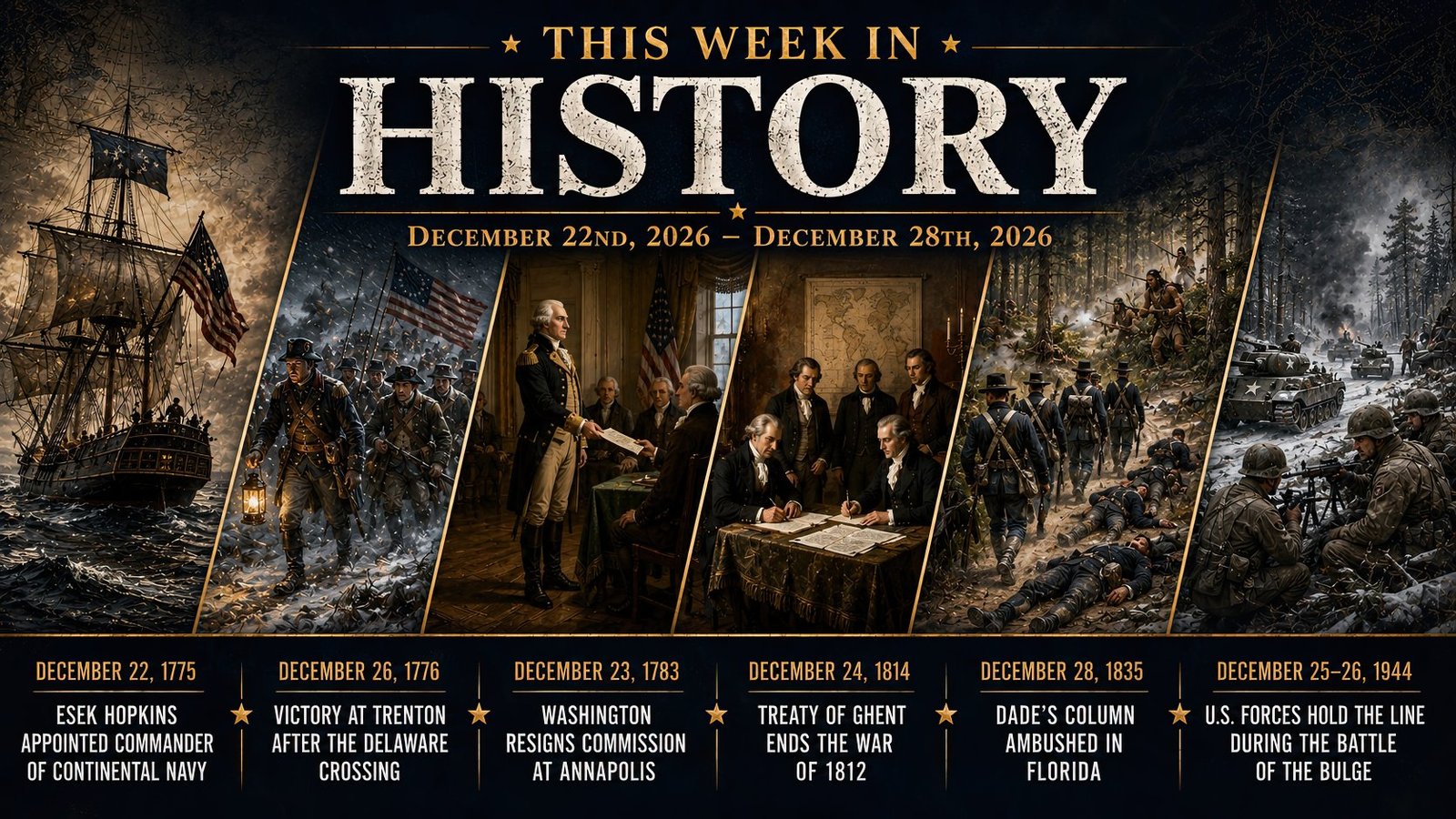
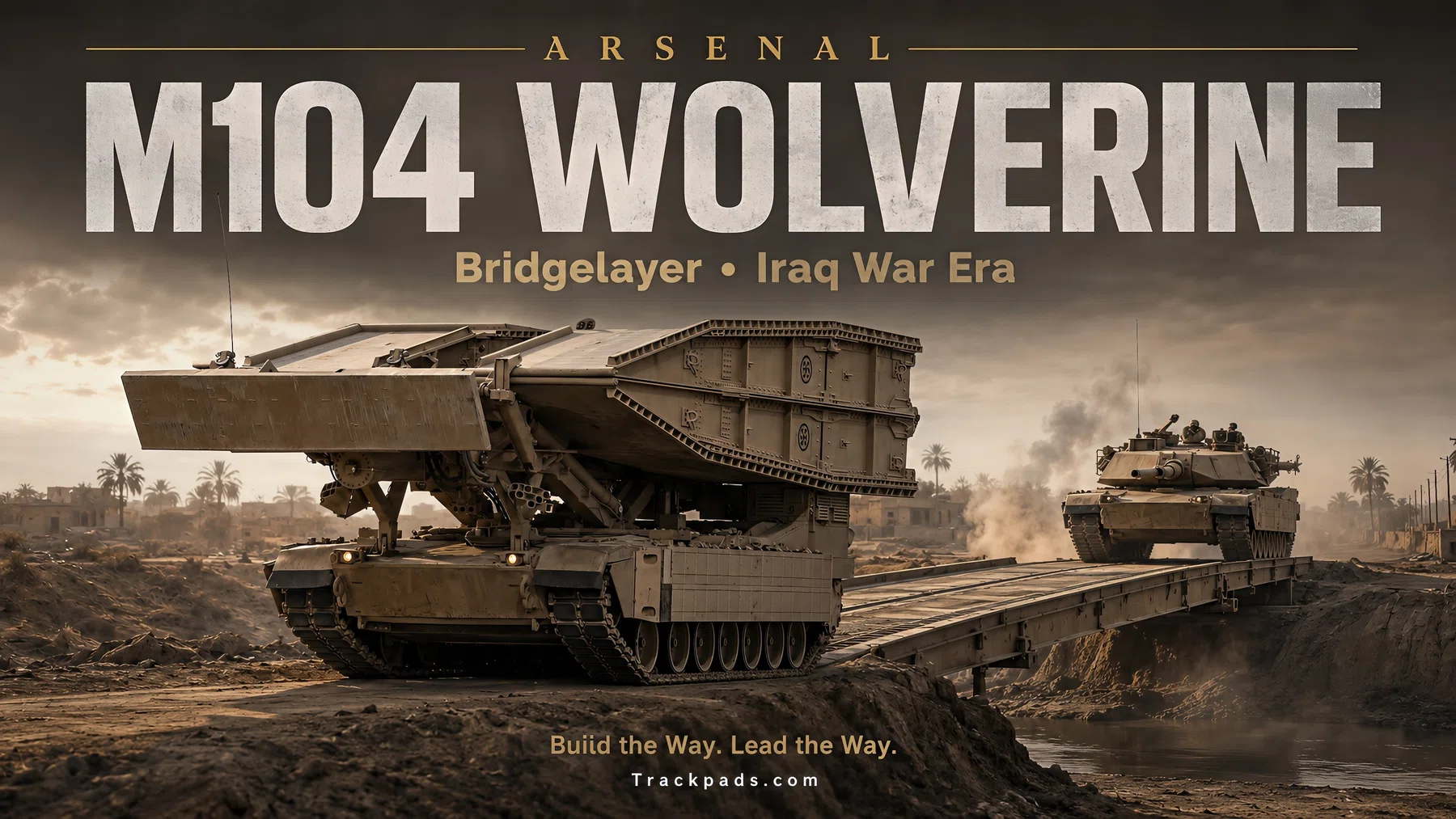
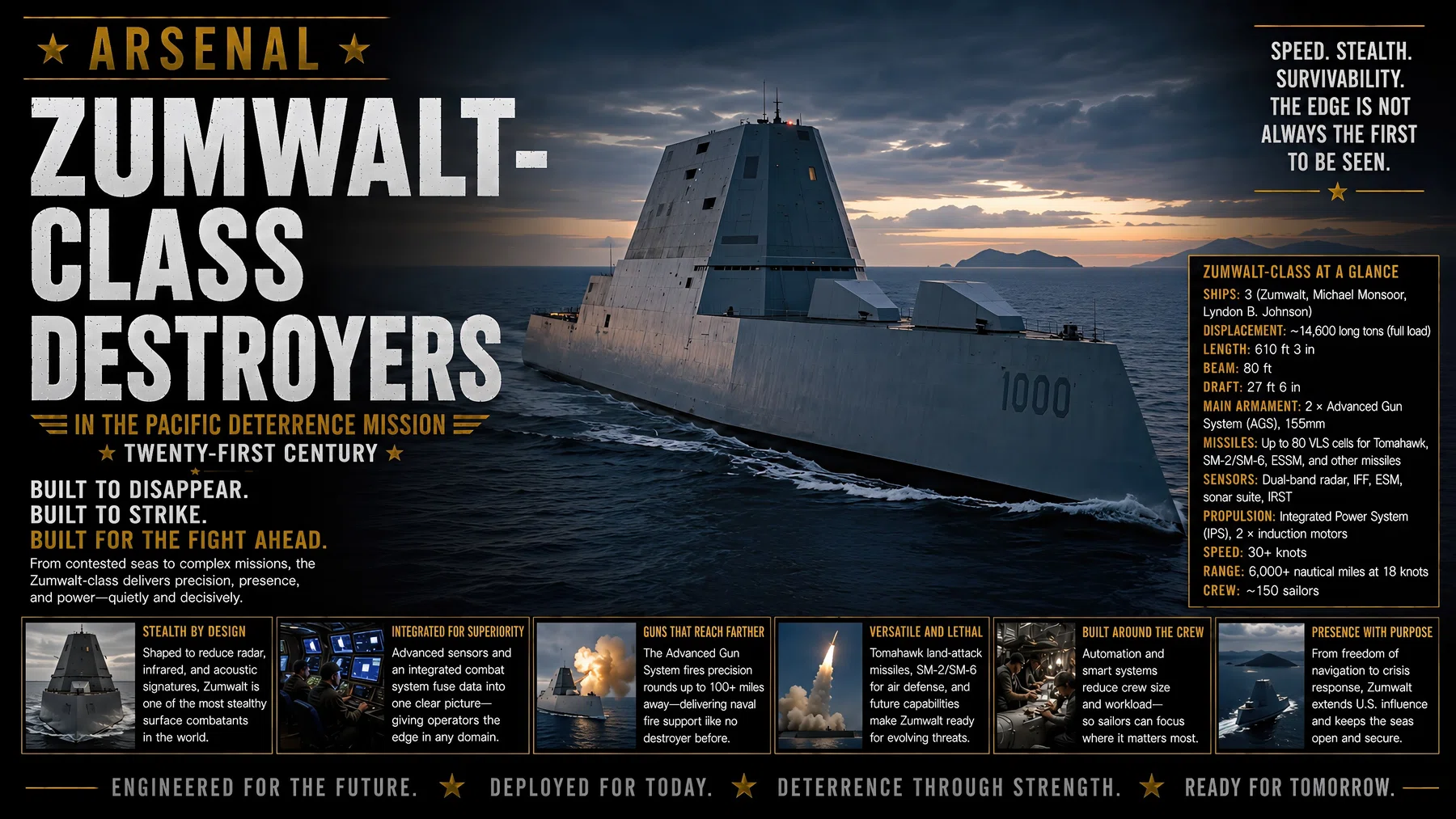
Related Arsenal Guides
These established direct episode links supplement the Wiki directory rather than replace it.