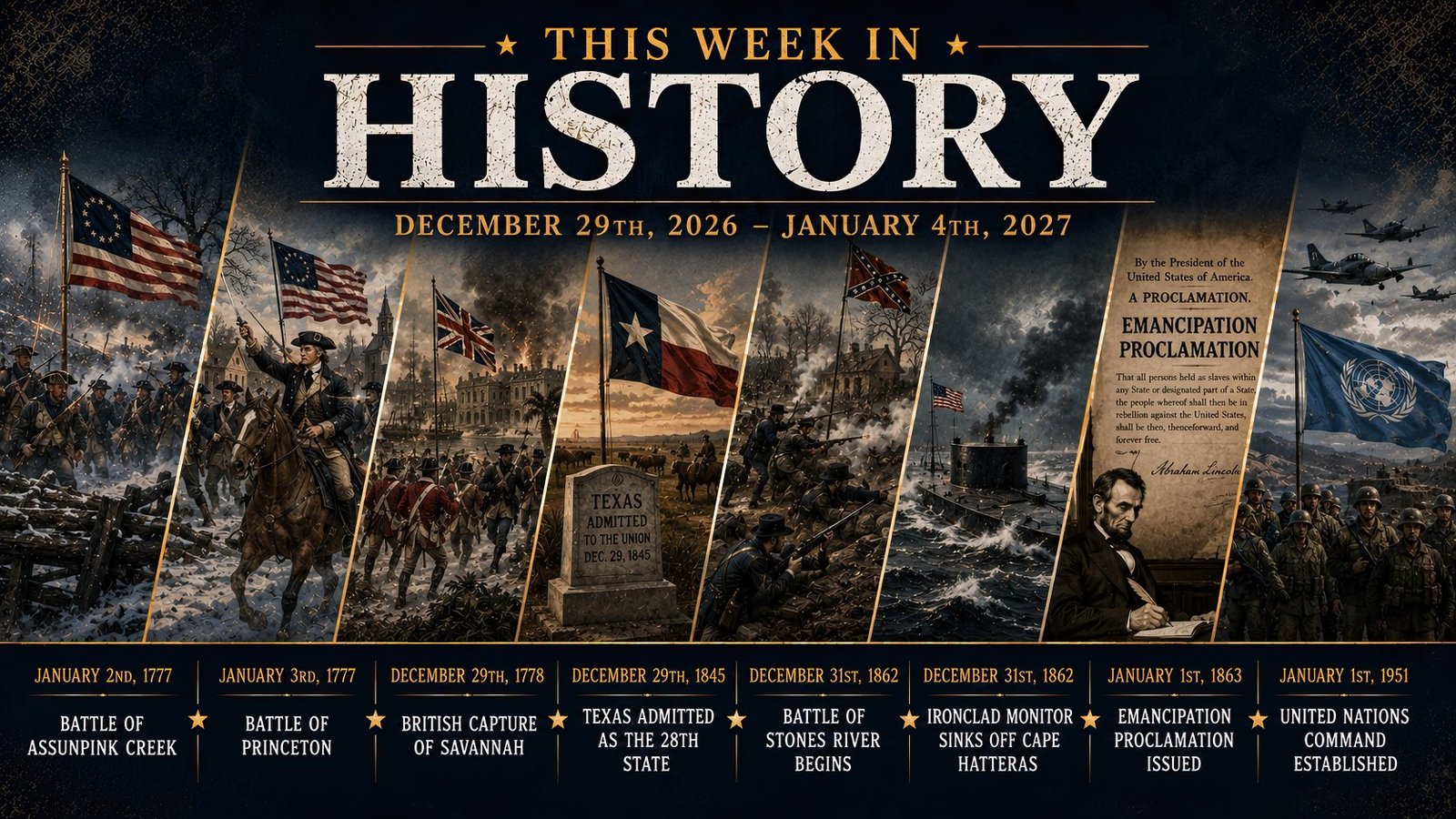
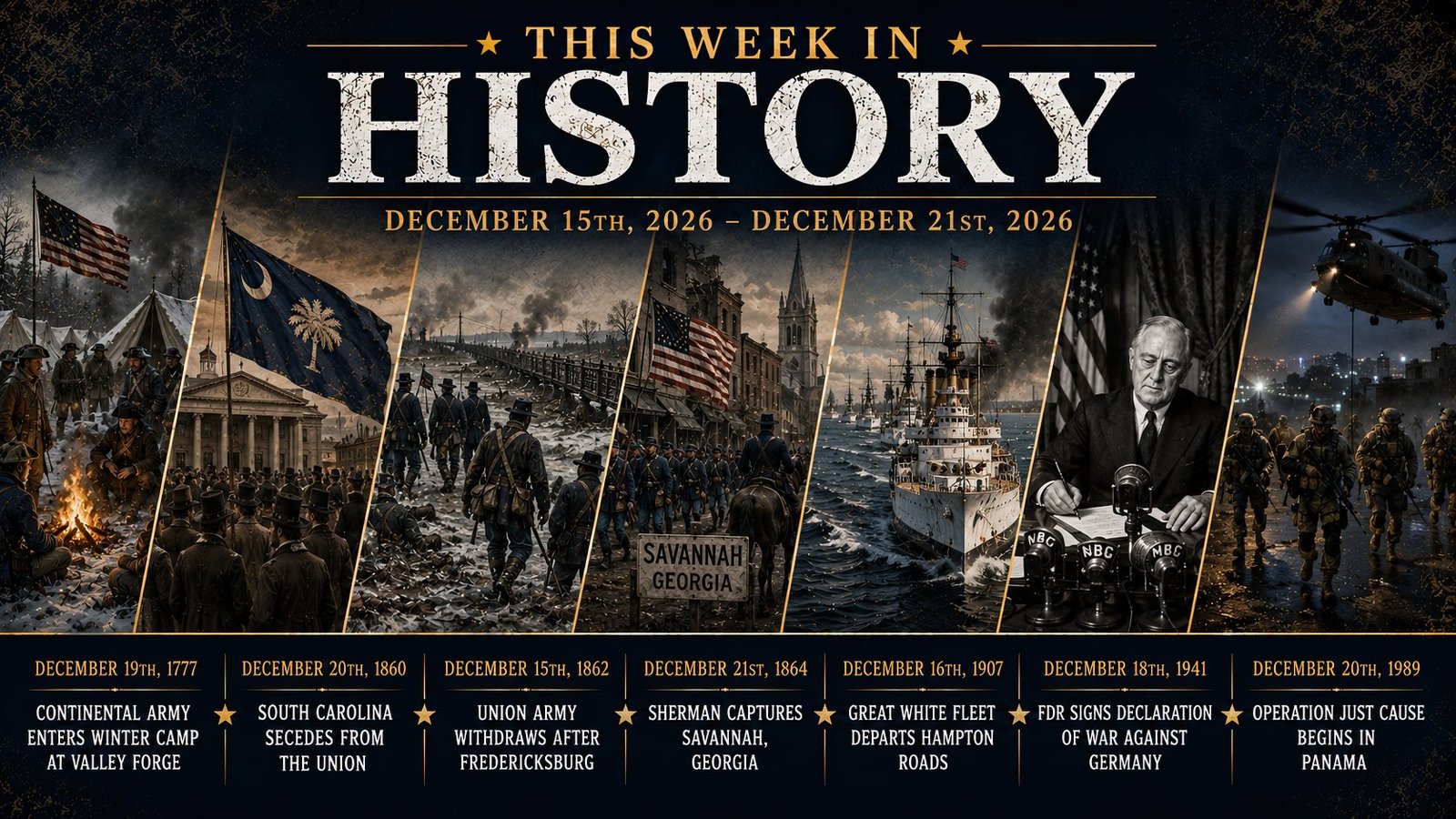
This Week in History · December 29, 2026
233 Populated Entries
Military platforms across land, air, sea, and supporting domains.
Trackpads Air Archive
Use the dedicated Air Archive for structured aircraft-family profiles, variants, representative specifications, imagery, sources, and design lineage.
Vehicles, Aircraft & Ships
Every result opens a permanent subject record with its reference context and connected Dispatch coverage. Filter by record type, editorial collection, or a word in the entry.
233 entries found.
A story of reach and reliability told through the crews and missions that defined it.
A story of reach and risk told through the aircrews who flew one of the largest aircraft ever built into the heart of modern war.
Even as Corregidor fell, the fortunes of the Pacific war were beginning to shift at sea. In early May 1942, American and Japanese carrier groups maneuvered through the Coral Sea, each searching for the other’s position with aircraft rather than surface scouts. On May 8th, following the sinking of the light carrier Shoho the day before, the main carrier duel unfolded.
On November 11th, 1943, carrier task forces of the United States Navy launched bold air strikes against the heavily defended Japanese naval base at Rabaul on New Britain.
The first explosions rolled across Pearl Harbor like distant thunder, then slammed into the harbor with terrifying clarity. On the repair ship USS Vestal, moored outboard of the battleship USS Arizona, Commander Cassin Young felt his ship shudder as bombs found their mark up and down the fleet. Men sprinted for their battle stations, the air already thick with smoke, the rising whine of diving aircraft cutting through shouted orders and alarm bells.
In the winter of 1950, United Nations forces in northeast Korea found themselves enveloped by massive Chinese attacks around the Chosin Reservoir.
On December 1st, 1941, just days before the attack on Pearl Harbor, the United States government formally created the Civil Air Patrol as a nationwide volunteer aviation organization.
A story of flexible firepower and fragile hulls, told through the cruisers and crews that fought their way across the Pacific.
At Groton, Connecticut, the United States Navy stepped into a new era when USS Nautilus, the world’s first nuclear-powered submarine, was commissioned on September 30th, 1954.
On this day the Continental Army trudged into winter quarters at Valley Forge, west of Philadelphia, after a bruising campaign season.
Four years later to the week, another British army marched out to surrender, this time at Yorktown, Virginia.
In South Vietnam, the war that involved American advisers and support was as political as it was military.
When the Continental Congress resolved on this date to outfit a small fleet to intercept British supply ships, it took a cautious but decisive step toward creating a national sea service.
By August 31st, 1950, United States and South Korean troops clung to a shrinking defensive line around the port of Pusan, the last major foothold on the Korean Peninsula.
In October 1962, reconnaissance photographs revealed Soviet ballistic missiles being installed in Cuba, within range of American cities and bases.
On this date, the President was briefed on photographs taken two days earlier by a high-altitude reconnaissance flight, revealing that the Soviet Union was secretly installing medium-range nuclear missiles in Cuba.
In October 1962, the discovery of Soviet nuclear missiles in Cuba put United States forces on some of the highest alert levels in their history.
The nuclear tensions of the early Cold War peaked when the United States discovered offensive missiles being installed in Cuba.
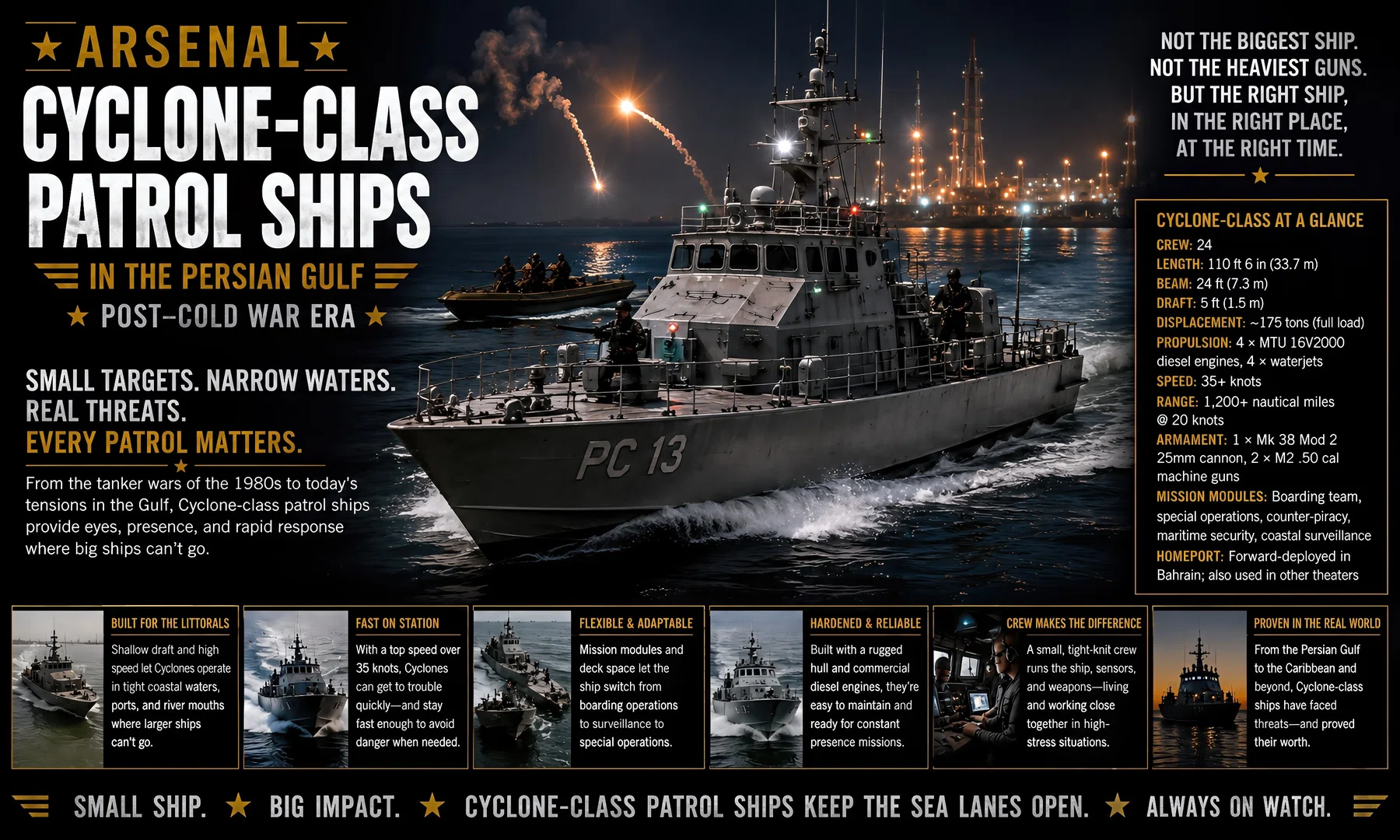
A story of littoral patrol, close-in surveillance, and small crews standing between fragile targets and fast, unpredictable threats.
On December 21st, 1945, General George S.
On December 14th, 1799, George Washington died at his home at Mount Vernon, closing the life of the commander who had led the Continental Army and then served as the first president.
In the dark waters off Tripoli on February 16th, 1804, a young United States Navy officer, Stephen Decatur, led a small boarding party into one of the most celebrated raids in early naval history. The frigate USS Philadelphia had run aground and been captured months earlier, and Tripolitan forces now held her as a valuable prize in the First Barbary War.
On January 1st, 1942, representatives of the United States, Britain, the Soviet Union, China, and many other Allied nations signed a joint pledge in Washington, known as the Declaration by United Nations.
Even before a formal declaration of war against Germany, the United States Navy was escorting convoys in the North Atlantic, confronting the realities of submarine warfare.
Related Dispatch
These current Dispatch articles connect directly to records in the Vehicles, Aircraft & Ships directory.
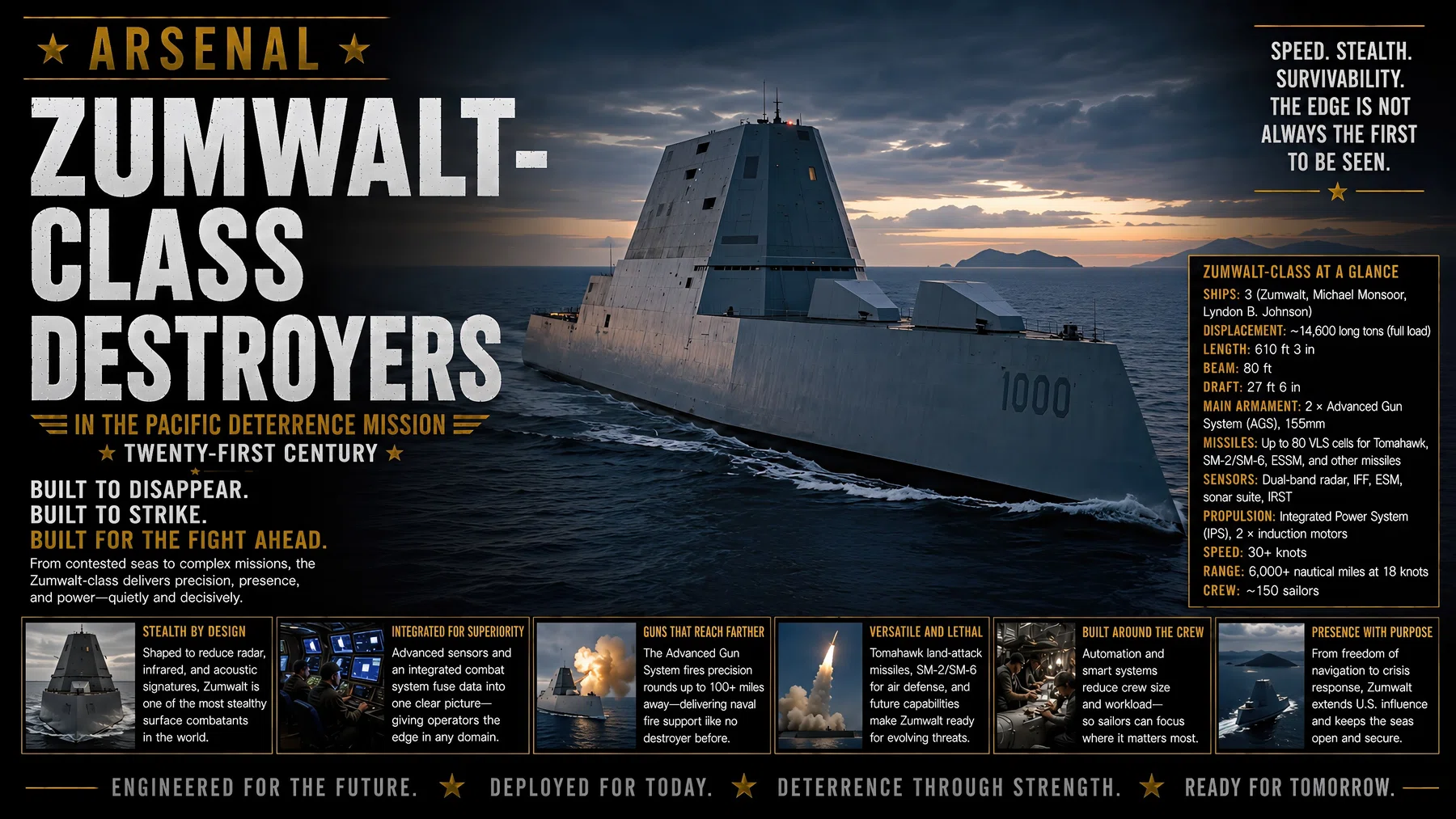
Related Arsenal Guides
These established direct episode links supplement the Wiki directory rather than replace it.