Reference Entry
BATTLE OF THE CORAL SEA
An unfolding story of carrier decks, radio reports, and long-range strikes that reshaped the Pacific war before the fleets ever met face to face.
Dated Historical Context
A RECORDED MOMENT IN HISTORY
Battle of the Coral Sea begins
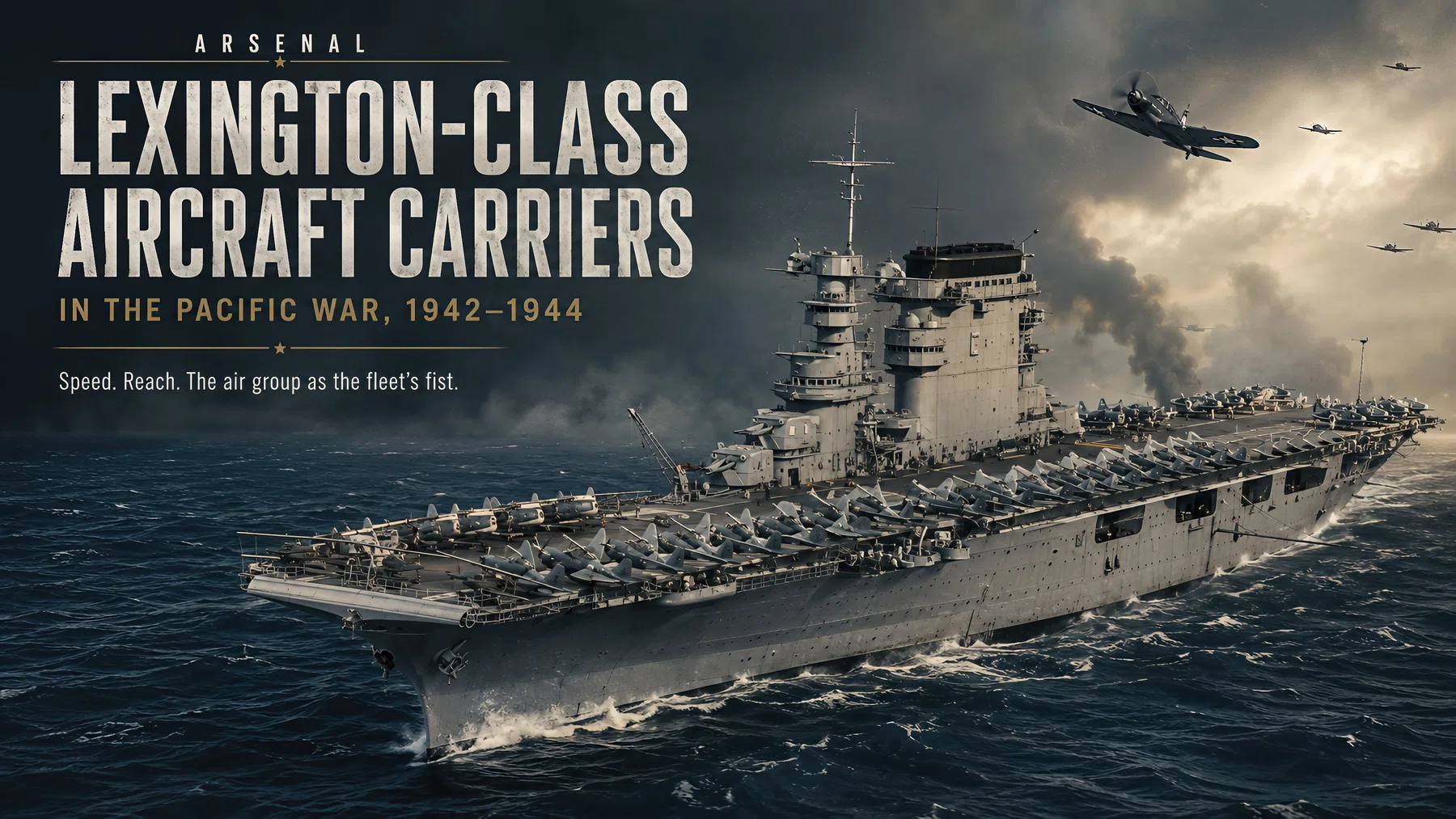
In the dark early months of the Pacific War, Japanese forces pushed toward Port Moresby on New Guinea, a move that would threaten Australia and Allied supply lines. American and Australian naval forces moved to intercept, and on May 4th, 1942, aircraft from the carrier USS Yorktown struck Japanese positions around Tulagi in the Solomon Islands. These opening blows marked the start of the Battle of the Coral Sea, the first major naval engagement fought primarily by carrier-based aircraft, with the opposing surface fleets never coming within gun range. Over the days that followed, both sides lost ships and planes, and the battle’s tactical verdict remained debated. Strategically, however, Coral Sea checked Japan’s southward advance and forced a reconsideration of further operations, setting conditions for the decisive carrier clash at Midway a month later.
Read the complete weekly DispatchTrackpads Source Register