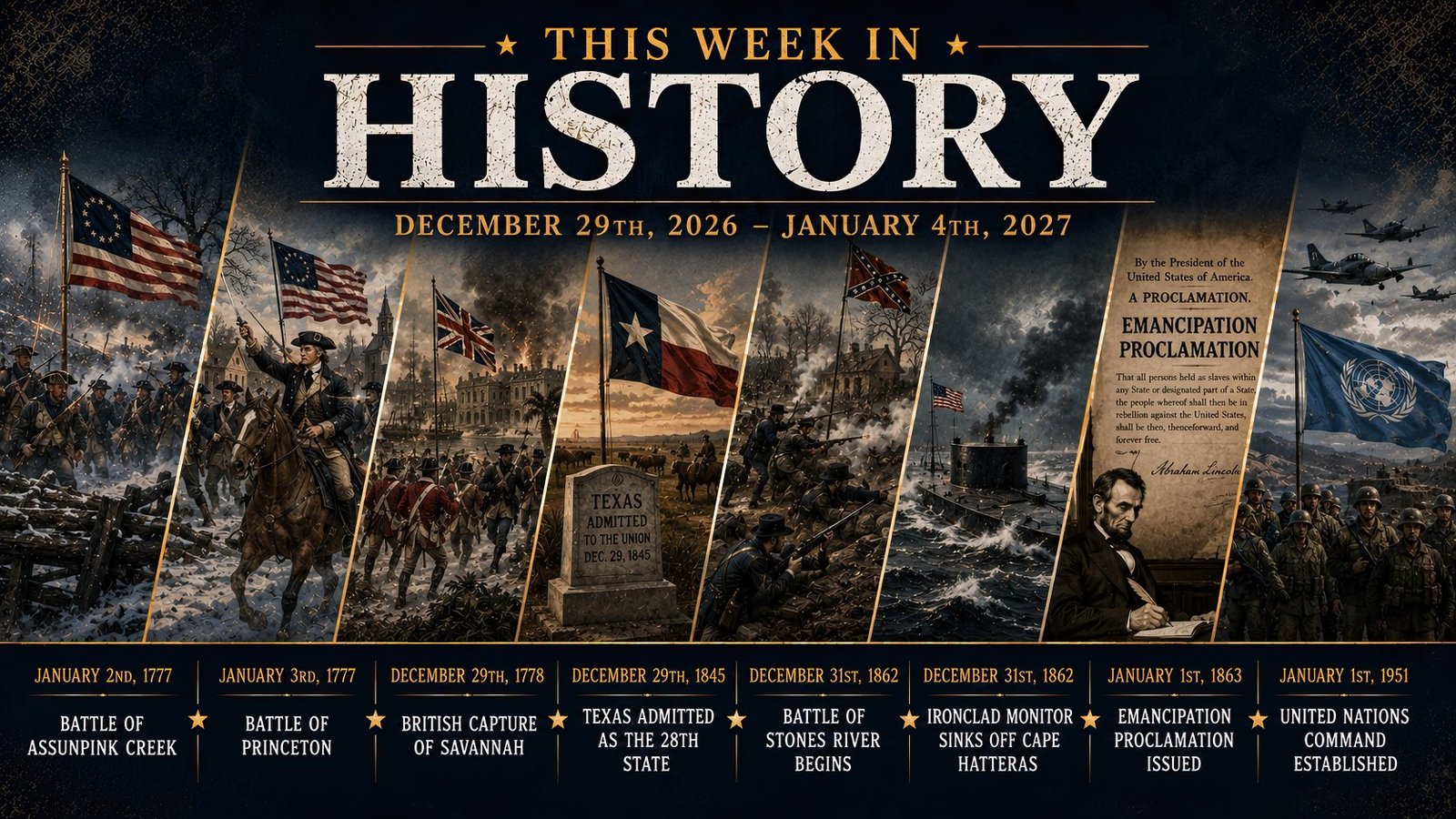
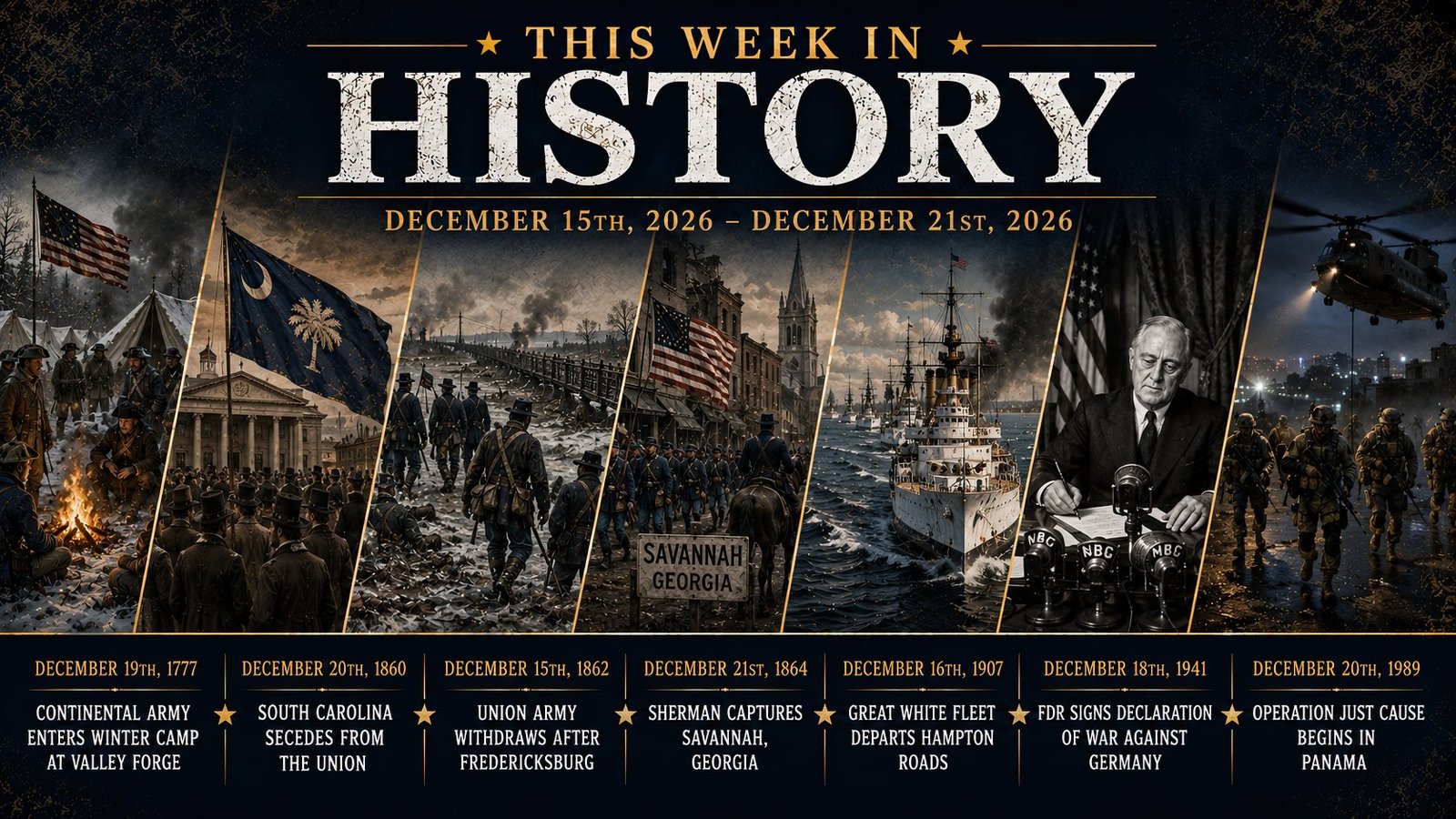
This Week in History · December 29, 2026
233 Populated Entries
Military platforms across land, air, sea, and supporting domains.
Trackpads Air Archive
Use the dedicated Air Archive for structured aircraft-family profiles, variants, representative specifications, imagery, sources, and design lineage.
Vehicles, Aircraft & Ships
Every result opens a permanent subject record with its reference context and connected Dispatch coverage. Filter by record type, editorial collection, or a word in the entry.
233 entries found.
A story of secret overflights, Cold War nerves, and the moment a “untouchable” spy plane finally fell from the sky.
A story of all-weather strike power and low-level courage told through the aircrews who flew deep into defended skies.
A story of persistent firepower and improvisation, told through the aircrews who circled in the dark and the convoys trying to slip past them.
A story of layered air defense and digital command told through the sailors and crises that made Aegis indispensable.
A story of speed, firepower, and improvisation told through the pilots, gunners, and grunts who depended on the first dedicated United States attack helicopter.
A story of night-hunting firepower and battlefield reach told through the crews who flew it into the dark.
When Alaska entered the Union as the forty-ninth state on January 3rd, 1959, it brought with it a vast expanse of territory that had already played an important strategic role in the Second World War.
A story of high-tech American armor meeting Soviet-designed tanks in the desert and how it reshaped modern ground warfare.
At the dawn of military aviation, the United States Army experimented with powered flight on a parade ground at Fort Myer, Virginia.
A story of layered air defense and brutal night fighting told through the cruiser crews who tried to hold back enemy air and surface attacks.
On the morning of August 6th, 1945, a B-29 bomber of the United States Army Air Forces dropped the first atomic bomb used in war over the Japanese city of Hiroshima. In seconds, a blast and firestorm devastated much of the urban area, killing tens of thousands of people outright and leaving many more injured or exposed to radiation.
Three days after Hiroshima, on August 9th, 1945, a second atomic bomb fell on the city of Nagasaki, delivered by another B-29 that had originally set out for a different target. Weather, fuel concerns, and mission decisions brought the bomber over Nagasaki, where the “Fat Man” device detonated with power even greater than the first weapon.
The same week on the calendar, but in a different year, brought one of the most searing dates in United States military history: December 7th, 1941.
Not all early June anniversaries involve declared wars. On June 8th, 1967, during the Six-Day War in the Middle East, the United States signals intelligence ship USS Liberty was operating in international waters in the eastern Mediterranean. In the confusion of fast-moving ground and air fighting ashore, Israeli aircraft and torpedo boats mistook the ship for a hostile vessel and attacked, inflicting severe damage and killing dozens of American sailors.
A story of long-range reach and rapid adaptation, told through the crews who turned a Cold War bomber into a precision workhorse.
A story of reach, surprise, and precision told through the crews who flew a flying wing into the heart of modern air defenses.
Before sunrise on November 20, 1917, the British attack began without the usual warning. There was no long preliminary bombardment to announce that an offensive was coming. No days of shellfire tearing the battlefield apart in advance. Instead, the opening movement at Cambrai depended on secrecy, timing, and the strange mechanical presence of hundreds of tanks moving toward the German line.
Two decades later, another critical October engagement unfolded at night near Cape Esperance, off the embattled island of Guadalcanal.
In the Shenandoah Valley of Virginia, Union forces under General Philip Sheridan awoke on October 19th, 1864 to a surprise Confederate attack that drove many units from their camps and seemed to threaten a major defeat.
A story of hard lessons, desert tank duels, and a young armor force learning fast enough to change a campaign.
The landings at Cape Torokina invited a swift Japanese response at sea.
On December 13th, 1862, the Army of the Potomac under Major General Ambrose Burnside hurled wave after wave of Union soldiers against Confederate positions at Fredericksburg, Virginia.
Near the end of the Revolutionary War, British forces raided the harbor town of New London, Connecticut, to burn supplies and shipping that supported the American cause.
A story of air cavalry, hidden armies, and a brutal valley fight that previewed the grinding war still to come.
Related Dispatch
These current Dispatch articles connect directly to records in the Vehicles, Aircraft & Ships directory.
Related Arsenal Guides
These established direct episode links supplement the Wiki directory rather than replace it.