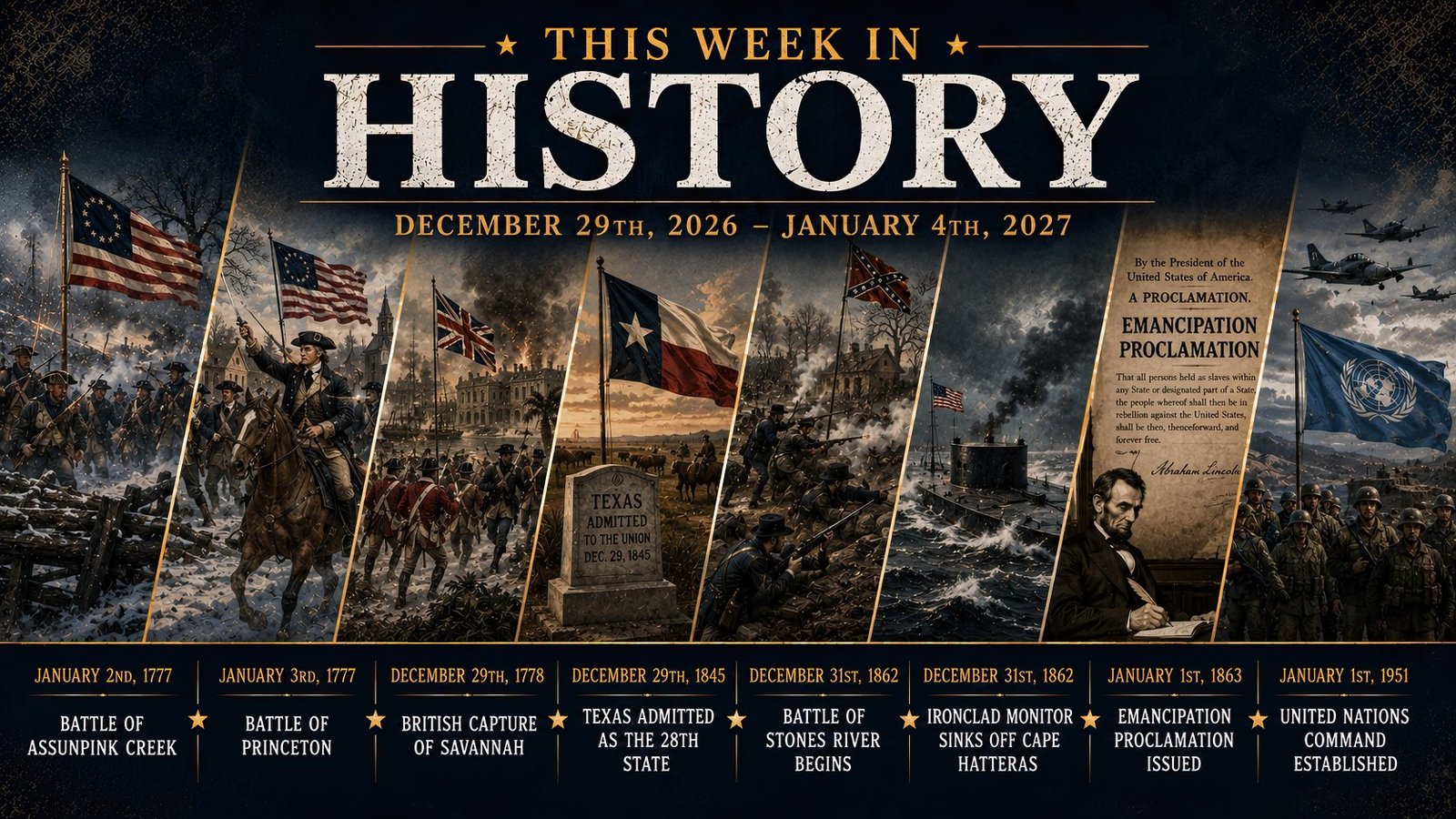
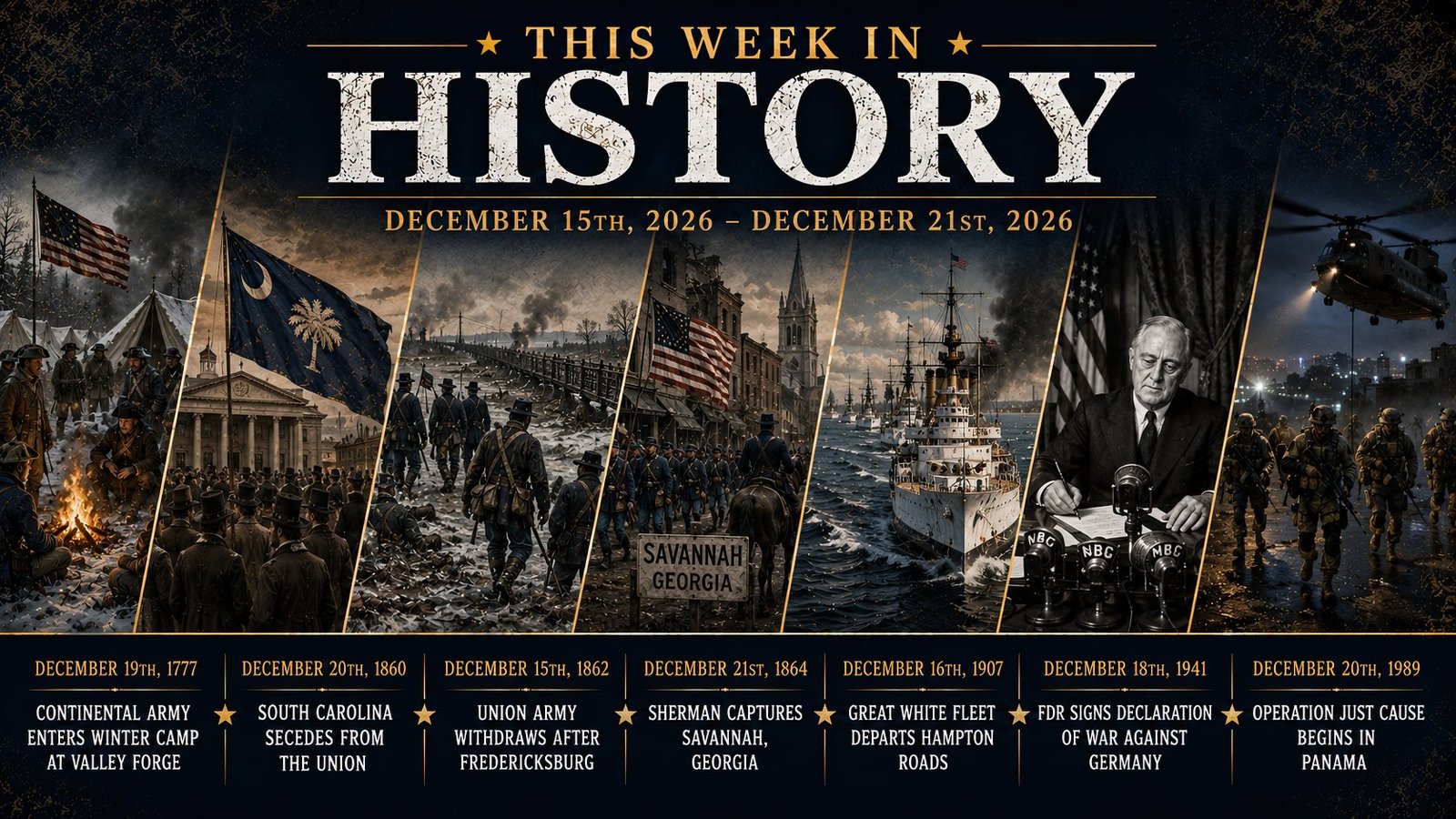
This Week in History · December 29, 2026
136 Populated Entries
Weapons, munitions, integrated systems, design, production, and operational use.
Trackpads Air Archive
Use the dedicated Air Archive for structured aircraft-family profiles, variants, representative specifications, imagery, sources, and design lineage.
Weapons & Weapon Systems
Every result opens a permanent subject record with its reference context and connected Dispatch coverage. Filter by record type, editorial collection, or a word in the entry.
136 entries found.
A story of secret overflights, Cold War nerves, and the moment a “untouchable” spy plane finally fell from the sky.
A story of all-weather strike power and low-level courage told through the aircrews who flew deep into defended skies.
A story of persistent firepower and improvisation, told through the aircrews who circled in the dark and the convoys trying to slip past them.
A story of layered air defense and digital command told through the sailors and crises that made Aegis indispensable.
A story of speed, firepower, and improvisation told through the pilots, gunners, and grunts who depended on the first dedicated United States attack helicopter.
A story of night-hunting firepower and battlefield reach told through the crews who flew it into the dark.
The valley offered almost no cover. Shallow folds of earth and shattered shrubs were all that shielded the Marines of 1st Battalion, 5th Marines as they tried to push forward on Okinawa Shima on May 7, 1945. Ahead of them, on a high ridge at the valley’s mouth, a Japanese machine gun hammered the slopes, stitching bullets across every patch of ground where a helmet or sleeve dared to move. The air vibrated with the clatter of automatic fire and the flat crack of rounds striking rock.
In Vietnam’s Central Highlands, the fighting around the Ia Drang Valley marked one of the first large-scale clashes between American airmobile forces and North Vietnamese regulars.
The air over Balete Pass crackled with small-arms fire and the flat explosions of grenades. On the steep slope of Hill B, a narrow finger of ground jutting out above the zigzag road that threaded the Caraballo Mountains, five exhausted American infantrymen hugged the earth around a captured Japanese trench. It was 8 May 1945, deep in the Battle of Luzon, and Private First Class Anton L.
The January sky over eastern Belgium is the color of steel, low clouds pressing down on snow-covered fields. An American armored task force eases forward along a narrow road when the world ahead of it suddenly erupts. Antitank rounds smash into the frozen earth, machine guns rake the ditches, and rifle fire lashes out from a ridgeline roughly two hundred yards in front of the column. Inside one of the lead tank destroyers, Corporal Arthur O.
A story of layered air defense and brutal night fighting told through the cruiser crews who tried to hold back enemy air and surface attacks.
On a cold day near the village of Holtzwihr in eastern France, a young Texas-born lieutenant named Audie Murphy faced a German attack with his infantry company badly outnumbered. After calling in artillery and ordering most of his men to fall back to prepared positions, Murphy remained forward, climbing onto a burning tank destroyer that could still bring its heavy machine gun to bear.
A story of long-range reach and rapid adaptation, told through the crews who turned a Cold War bomber into a precision workhorse.
A story of reach, surprise, and precision told through the crews who flew a flying wing into the heart of modern air defenses.
In the winter following the disastrous losses around New York, George Washington’s army clung to survival around Trenton.
Two decades later, another critical October engagement unfolded at night near Cape Esperance, off the embattled island of Guadalcanal.
During the Mexican–American War, United States forces under Major General Winfield Scott advanced on Mexico City, meeting fierce resistance at fortified positions west of the capital.
The landings at Cape Torokina invited a swift Japanese response at sea.
On December 13th, 1862, the Army of the Potomac under Major General Ambrose Burnside hurled wave after wave of Union soldiers against Confederate positions at Fredericksburg, Virginia.
Three years later and hundreds of miles to the south, another October 7th saw frontier riflemen climbing a steep Carolina ridge toward Loyalist breastworks on Kings Mountain.
The day after Lookout Mountain, Union forces turned against the main Confederate positions east of Chattanooga, dug in along Missionary Ridge.
On December 7th, 1944, as Americans marked the third anniversary of Pearl Harbor, United States forces fought a different battle tied to that first “day of infamy.” Off the Philippine island of Leyte, United States Navy destroyers, escorts, and aircraft struck Japanese…
Two days later on the calendar, December 7th, 1862, saw blue and gray forces collide in the hills near Prairie Grove, Arkansas.
In the dark, humid hours before dawn on Okinawa, the American line around Kakazu Ridge was little more than a jagged string of foxholes and shattered stone. Technical Sergeant Beauford “Andy” Anderson and the men of his weapons platoon had spent the night listening to the island—distant artillery rumbled, mortars coughed, and now and then a Japanese flare turned the terraced fields silver for a heartbeat before dropping them back into blackness.
Related Dispatch
These current Dispatch articles connect directly to records in the Weapons & Weapon Systems directory.
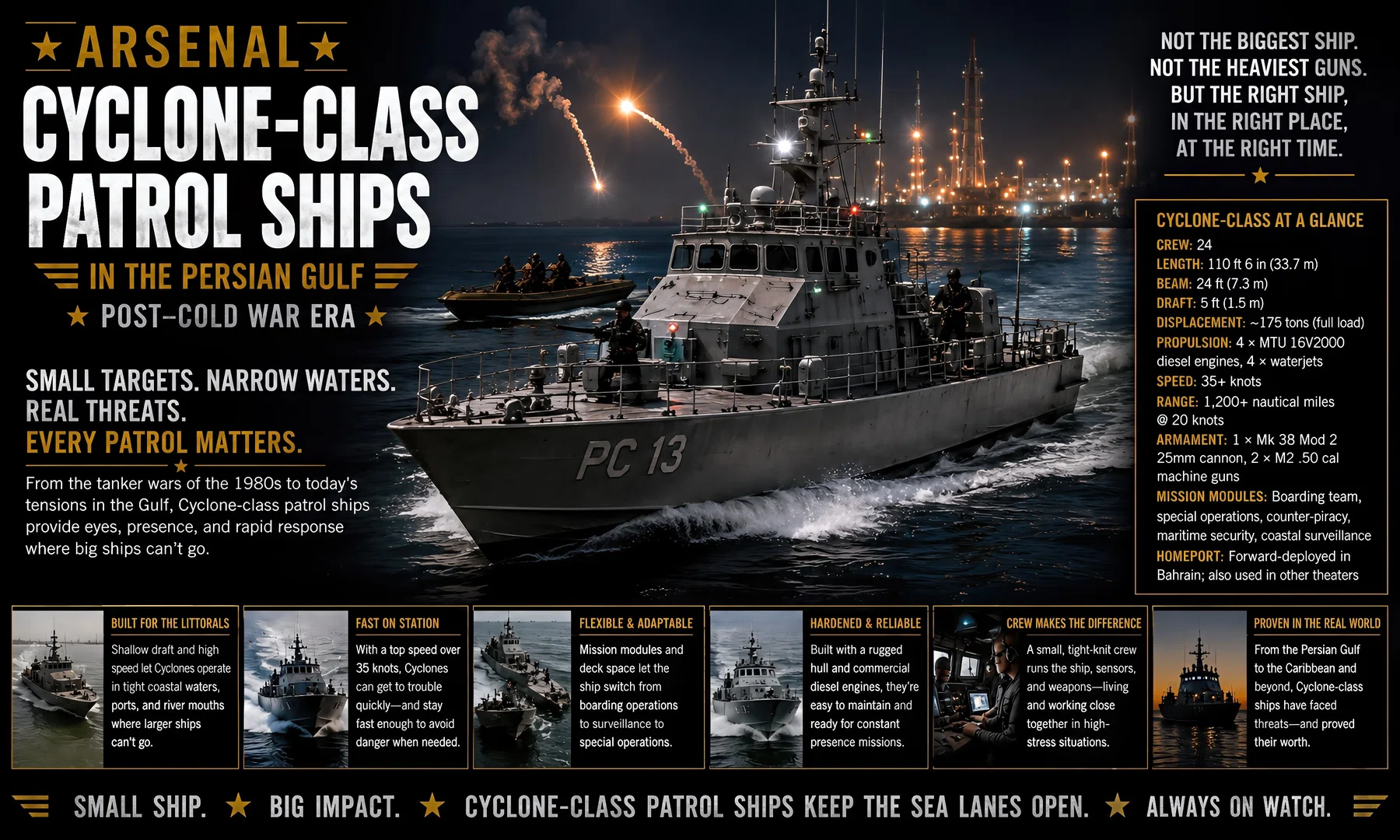
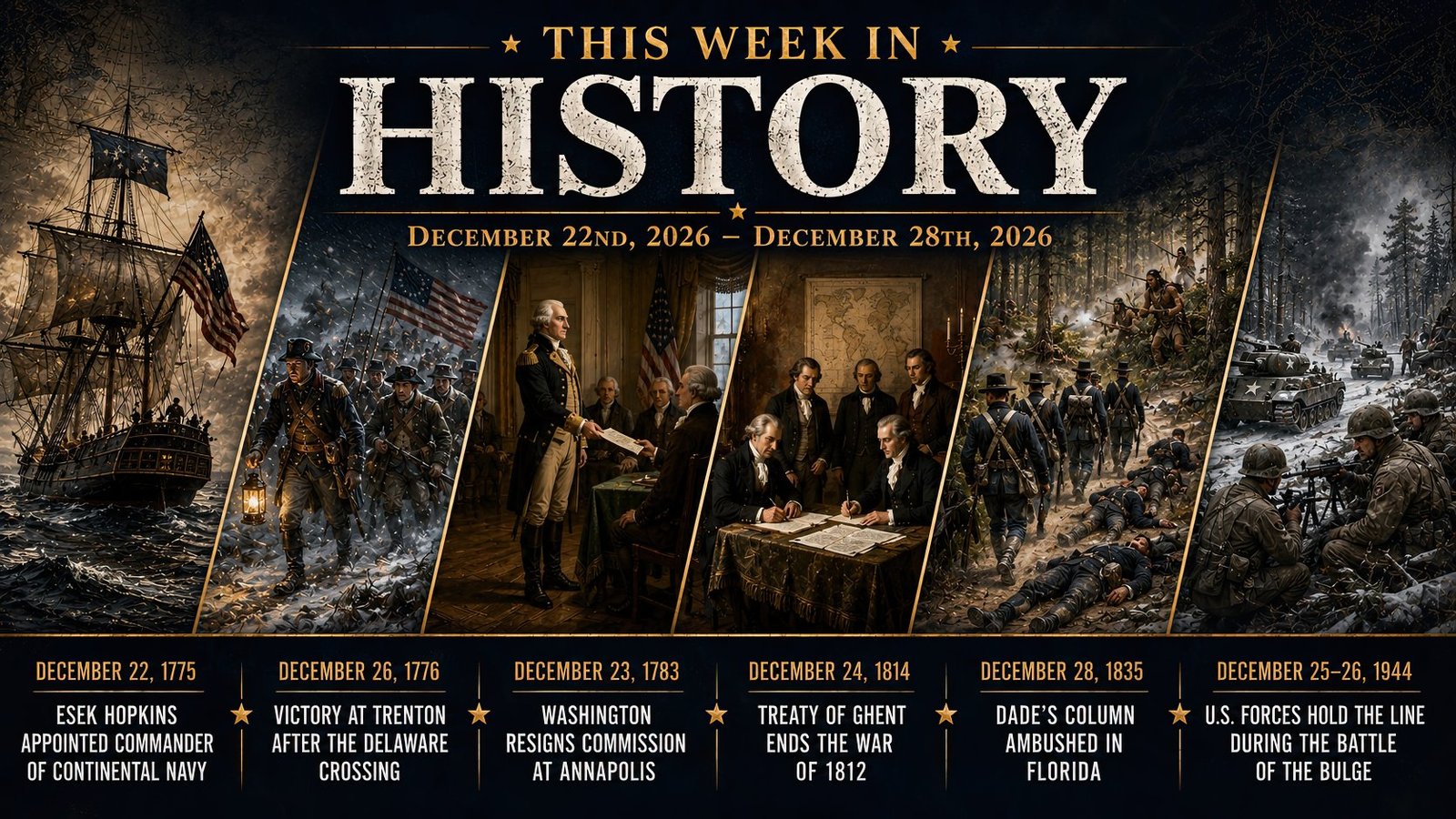
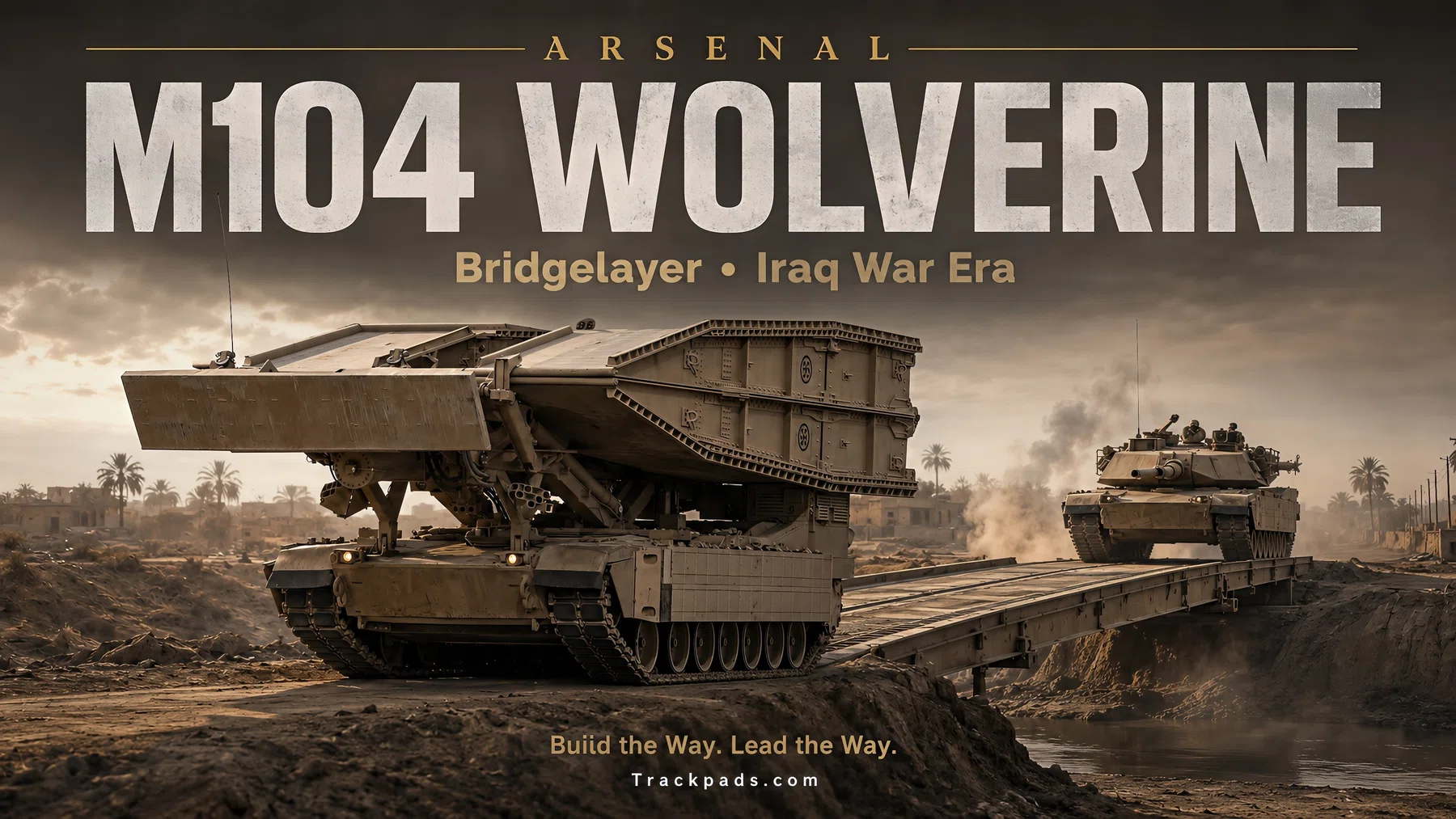
Related Arsenal Guides
These established direct episode links supplement the Wiki directory rather than replace it.