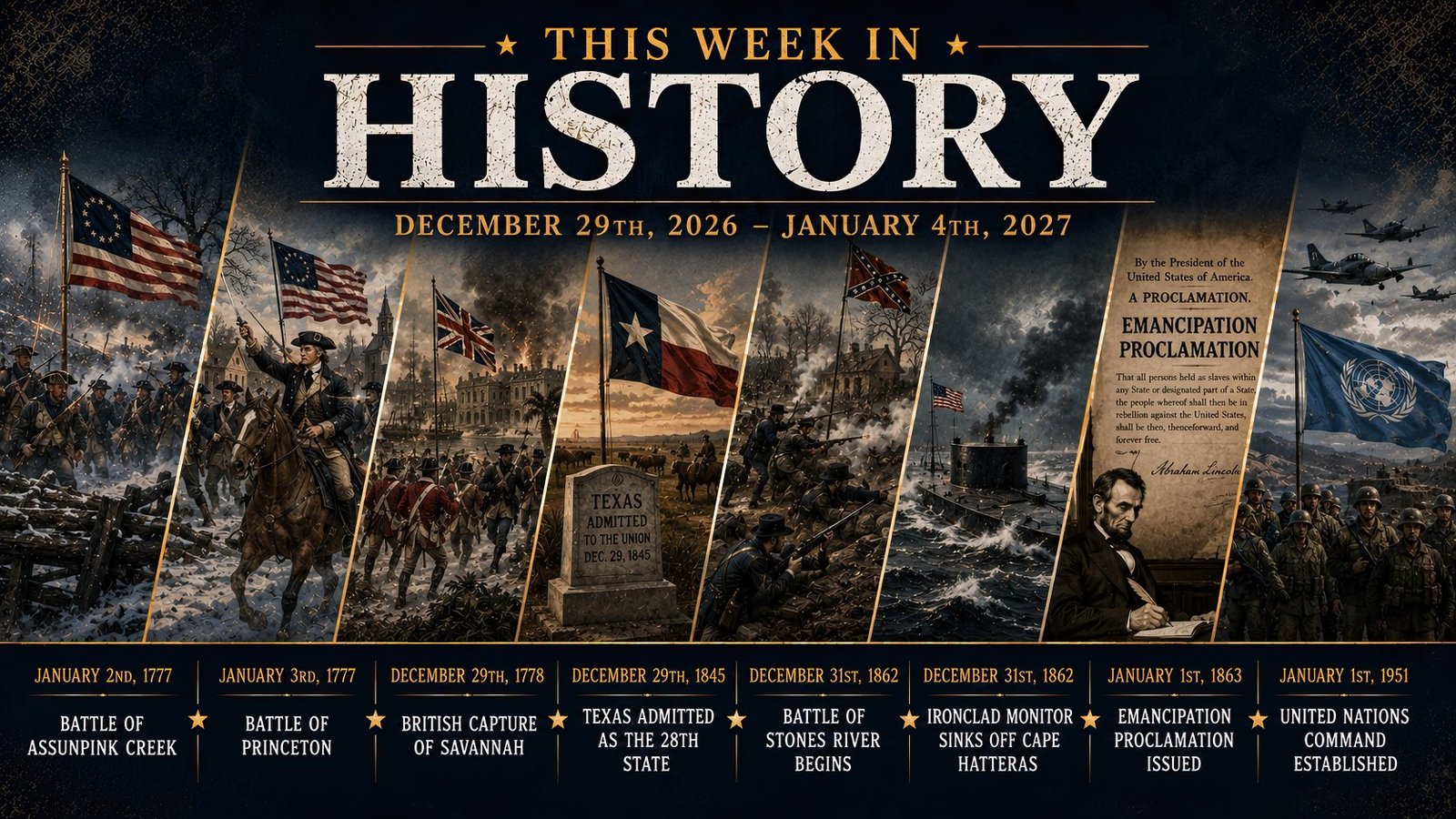
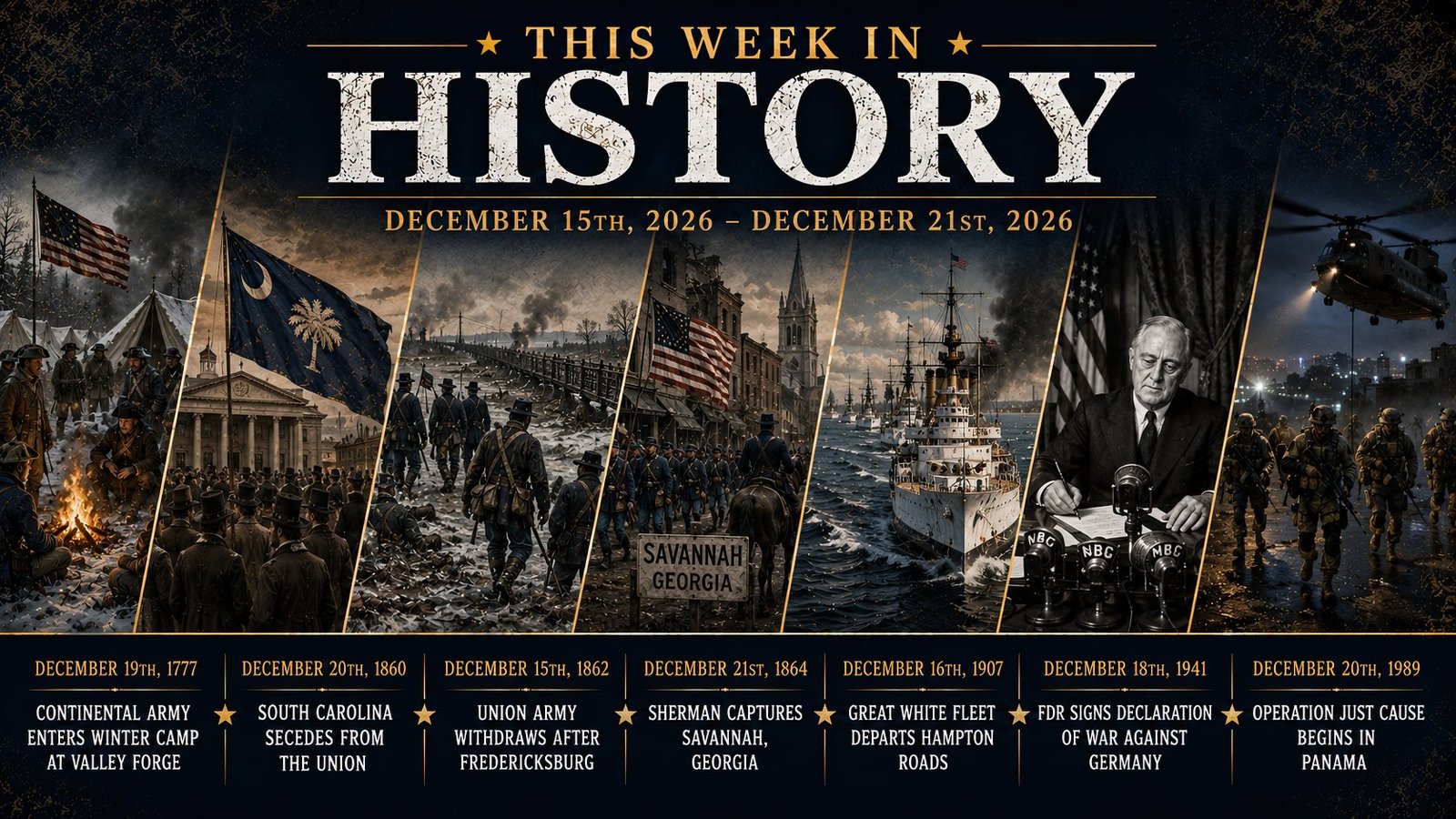
This Week in History · December 29, 2026
219 Populated Entries
Military platforms across land, air, sea, and supporting domains.
Vehicles, Aircraft & Ships
Every result opens a permanent subject record with its reference context and connected Dispatch coverage. Filter by record type, editorial collection, or a word in the entry.
219 entries found.
A story of reach and endurance told through the tanker crews who turned fuel into combat power across half a century of wars and crises.
By late 1943, Allied planners focused on neutralizing the strong Japanese base at Rabaul without storming it head-on.
At the shipyards in Groton, Connecticut, the United States Navy launched a vessel that would fundamentally change undersea warfare. On January 21st, 1954, USS Nautilus slid into the water as the world’s first operational nuclear-powered submarine. Unlike conventionally powered boats that had to surface or snorkel regularly for air and fuel, Nautilus could remain submerged for long periods, travel at higher sustained speeds, and operate far from bases.
Night still clung to the sea when the submarine slid in among the enemy ships. On the open bridge, spray cold against his face, Commander Lawson “Red” Ramage watched the black shapes of freighters and tankers loom out of the darkness. Their wakes glowed faintly, white scars across a heaving Pacific, while bursts of star shell and tracer fire clawed at the sky. Somewhere off Taiwan, a Japanese convoy was trying to slip through before dawn. Ramage intended to stop it.
In the late summer of the Civil War, Confederate General Robert E.
A story of speed, reach, and improvisation told through the flight decks, hangar bays, and air groups that fought from these big decks.
In the shadow of the Cuban Missile Crisis, another October date marked a different kind of strategic turning point.
On December 29th, 1972, the United States halted the intense B-52 and tactical bomber campaign known as Linebacker II against targets around Hanoi and Haiphong in North Vietnam.
A story of undersea reach and relentless pursuit, told through the crews who spent months in the dark hunting other submarines they hoped never to be seen by.
Off the New England coast, the nuclear-powered submarine USS Thresher was conducting deep-diving tests when something went catastrophically wrong. Communications suggested trouble with systems and attempts to surface as the boat descended beyond its safe limits. Moments later, contact was lost, and later analysis pointed to flooding and a reactor shutdown that left the submarine unable to recover.
A story of mobile firepower and thin armor told through the crews who fought from its open turret and the enemies who tried to stop it.
A story of mobility under armor, told through the engineers and armored brigades that depended on a bridge to keep the advance moving.
A story of long-range firepower and survivability told through the crews who rode this tracked gun into modern armored battles.
A story of speed, improvisation, and thin armor told through the crews and battles that defined it.
A story of firepower and adaptation told through the crews who took the Pershing from the ruins of Germany to the hills of Korea.
A story of adaptation, reliability, and hard lessons in steel, told through the crews who fought from its turret.
A story of mobility, firepower, and adaptation told through a light tank and the crews who drove it into the heart of the Cold War’s proxy wars.
A story of airborne firepower and fragile protection told through the crews and battles that defined it.
A story of survivability, firepower, and adaptation told through the Marine crews and desert battles that defined it.
A story of nuclear firepower and uneasy deterrence told through the crews, observers, and test shots that defined the United States’ only nuclear gun.
A story of hard-learned recovery, brute-force engineering, and keeping broken armor in the fight when everything else says it should be left behind.
On August 30th, 1945, General Douglas MacArthur stepped off an aircraft at Atsugi Airfield near Tokyo as the designated Supreme Commander for the Allied occupation of Japan.
When war came to the Pacific, American and Filipino troops on Bataan and Corregidor fought a desperate delaying action against advancing Japanese forces. By March 1942, the situation had grown dire, and the president ordered General Douglas MacArthur to leave the islands and avoid capture. On the night of March 11th, MacArthur and his party boarded small patrol torpedo boats for a dangerous run through hostile waters to Mindanao, later continuing by aircraft to Australia.
On December 2nd, 1989, President George H.
Related Dispatch
These current Dispatch articles connect directly to records in the Vehicles, Aircraft & Ships directory.
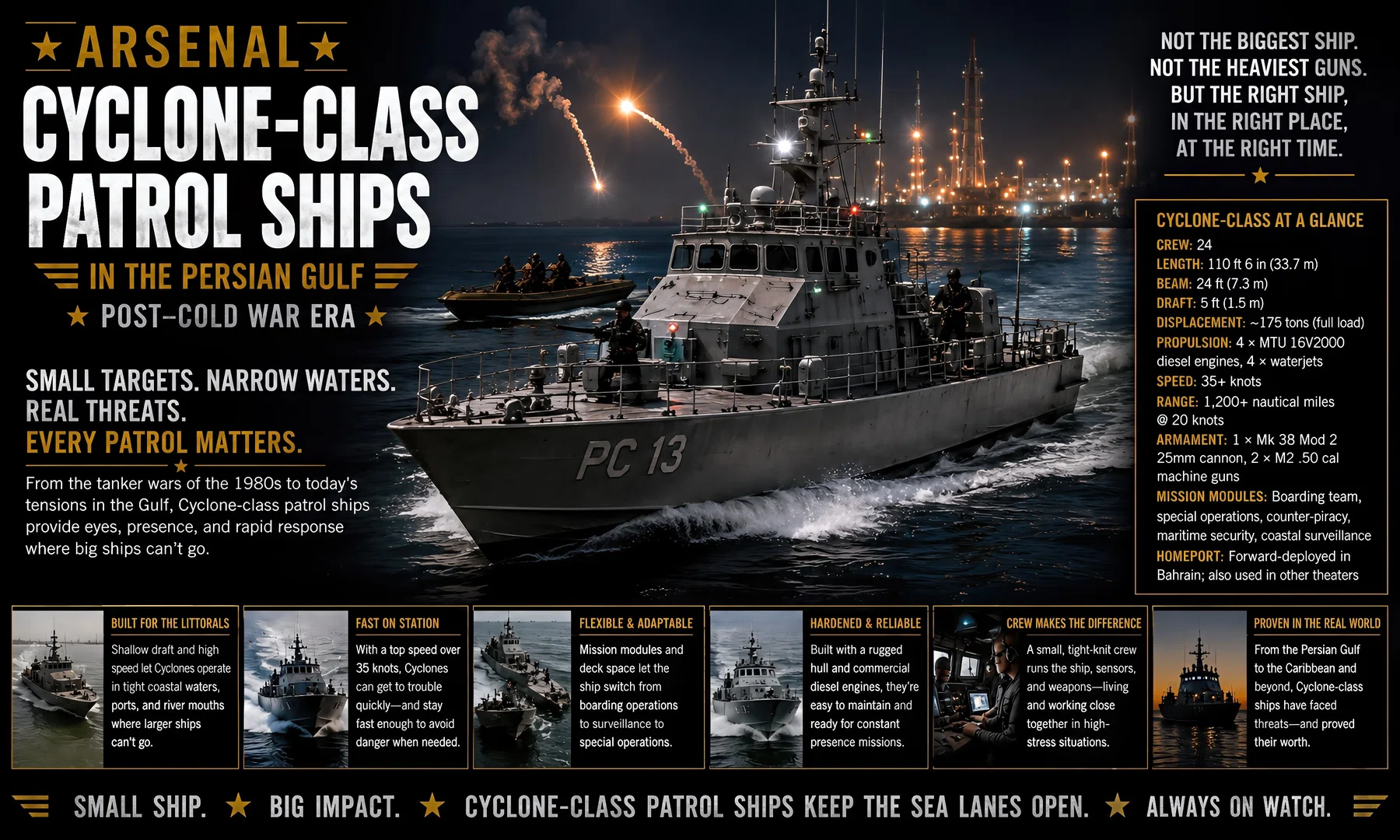
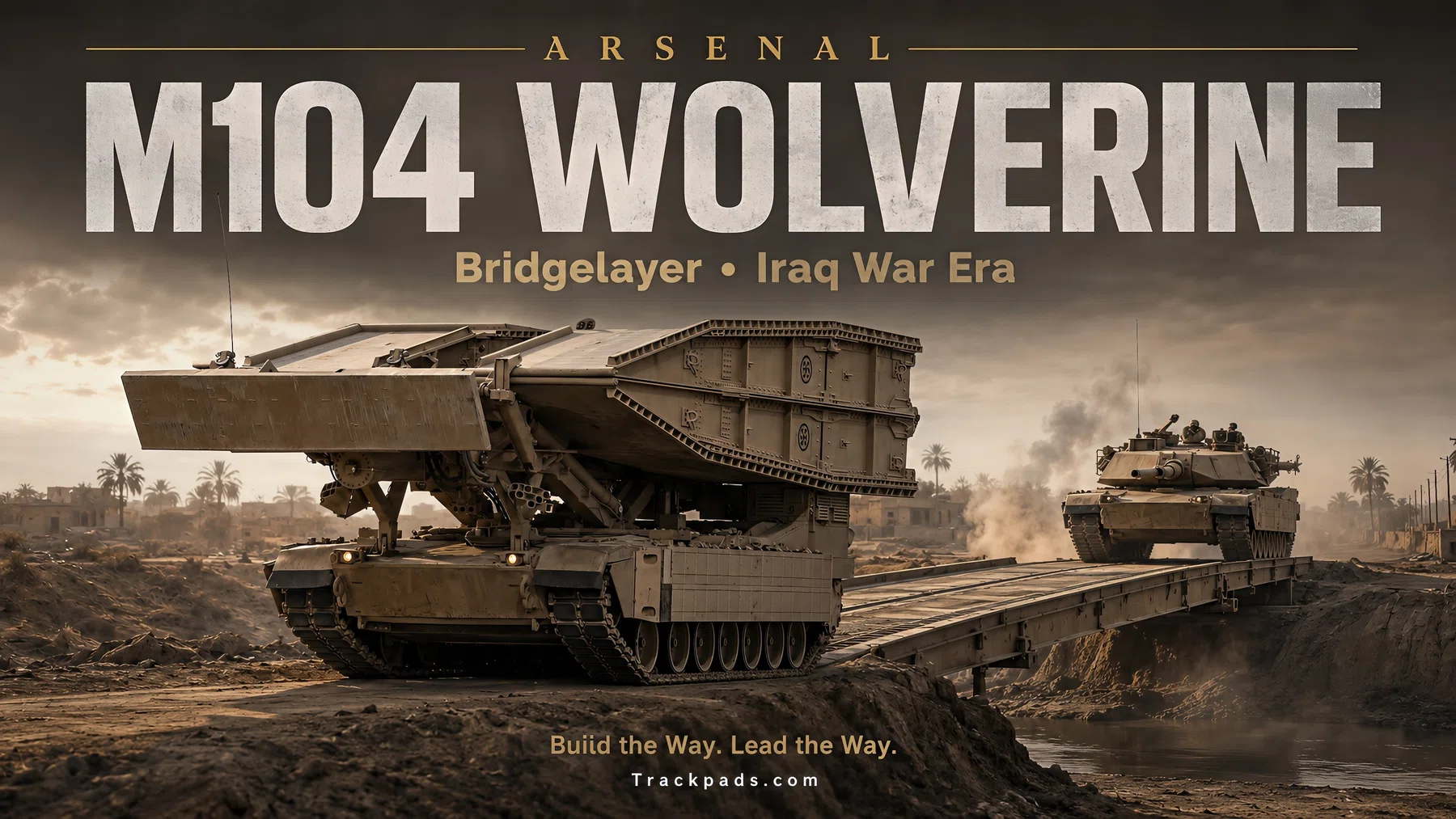
Related Arsenal Guides
These established direct episode links supplement the Wiki directory rather than replace it.