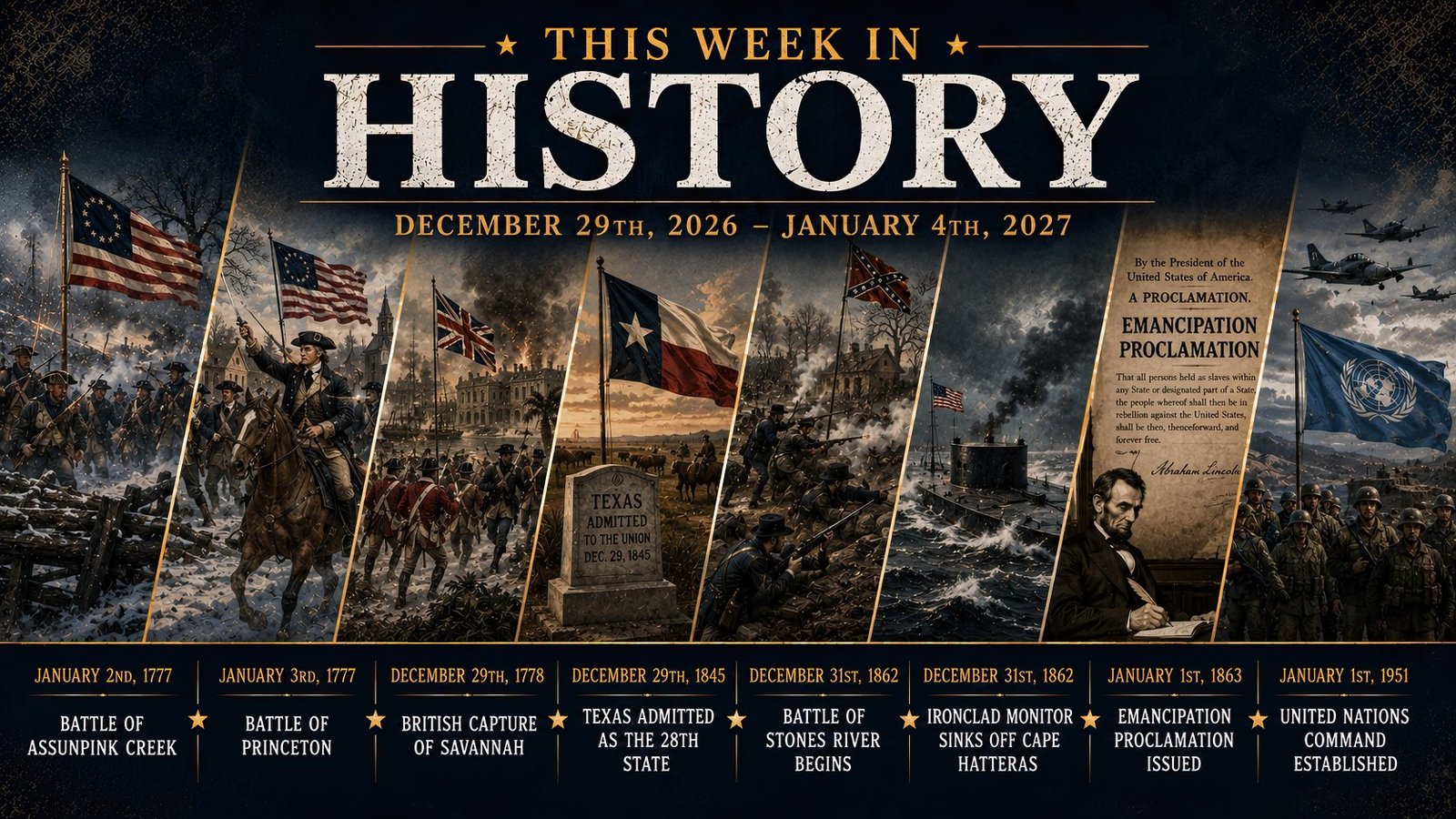
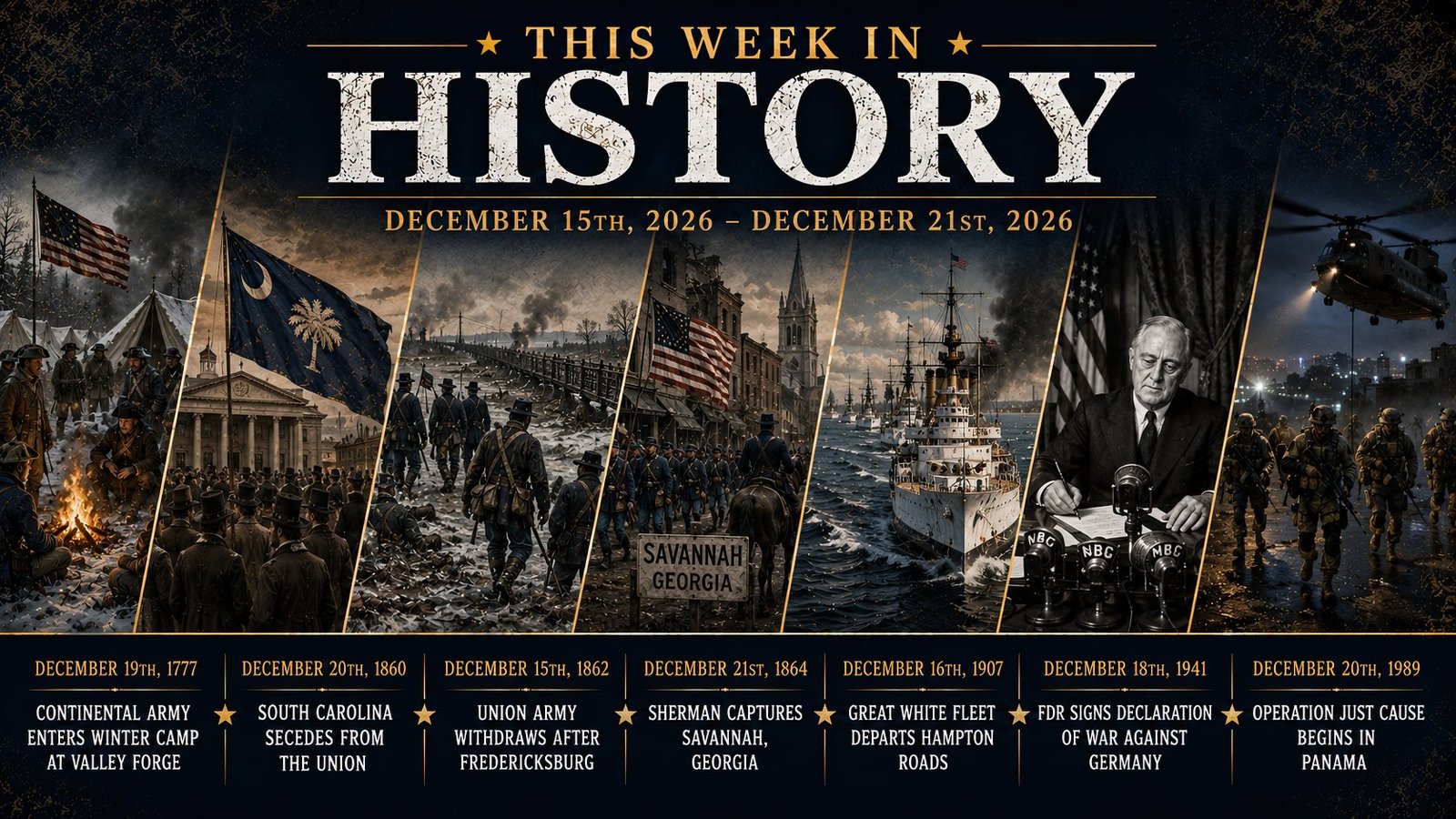
This Week in History · December 29, 2026
233 Populated Entries
Military platforms across land, air, sea, and supporting domains.
Trackpads Air Archive
Use the dedicated Air Archive for structured aircraft-family profiles, variants, representative specifications, imagery, sources, and design lineage.
Vehicles, Aircraft & Ships
Every result opens a permanent subject record with its reference context and connected Dispatch coverage. Filter by record type, editorial collection, or a word in the entry.
233 entries found.
The jungle pressed in on both sides of the Ormoc Road, a narrow ribbon of mud and broken pavement cutting through the hills near Limon on the island of Leyte. December rain had turned the ditches into brown pools. American infantrymen crouched behind a hasty roadblock of felled trees, sandbags, and wrecked vehicles, listening to the grinding approach of steel.
A story of a long-shot bombing raid, a borrowed carrier deck, and how one gamble shifted the course of a global war.
Barely four months after the attack on Pearl Harbor, the United States planned a strike to carry the war to the Japanese home islands. On April 18th, 1942, sixteen B-25 medium bombers led by Lieutenant Colonel James Doolittle took off from the carrier USS Hornet in the Pacific, a feat never attempted before with aircraft of that size. Spotted early by enemy patrol vessels, the task force launched the bombers farther from Japan than planned, forcing the crews to stretch their fuel to the limit.
A story of airborne radar, battle management, and nervous crews watching the air war unfold on glowing scopes far from the front line.
A story of adaptation, invisible firepower, and joint-force dependence told through the aviators and campaigns that defined these electronic attack aircraft.
While armies crossed rivers in Europe, Marines in the Pacific were still locked in some of the war’s most brutal island battles. United States forces had landed on Iwo Jima in February 1945, attacking a volcanic fortress where Japanese defenders used tunnels, caves, and concrete bunkers to make every yard of ground costly. The famous flag raising on Mount Suribachi took place early in the campaign, but heavy fighting continued across the northern part of the island for weeks.
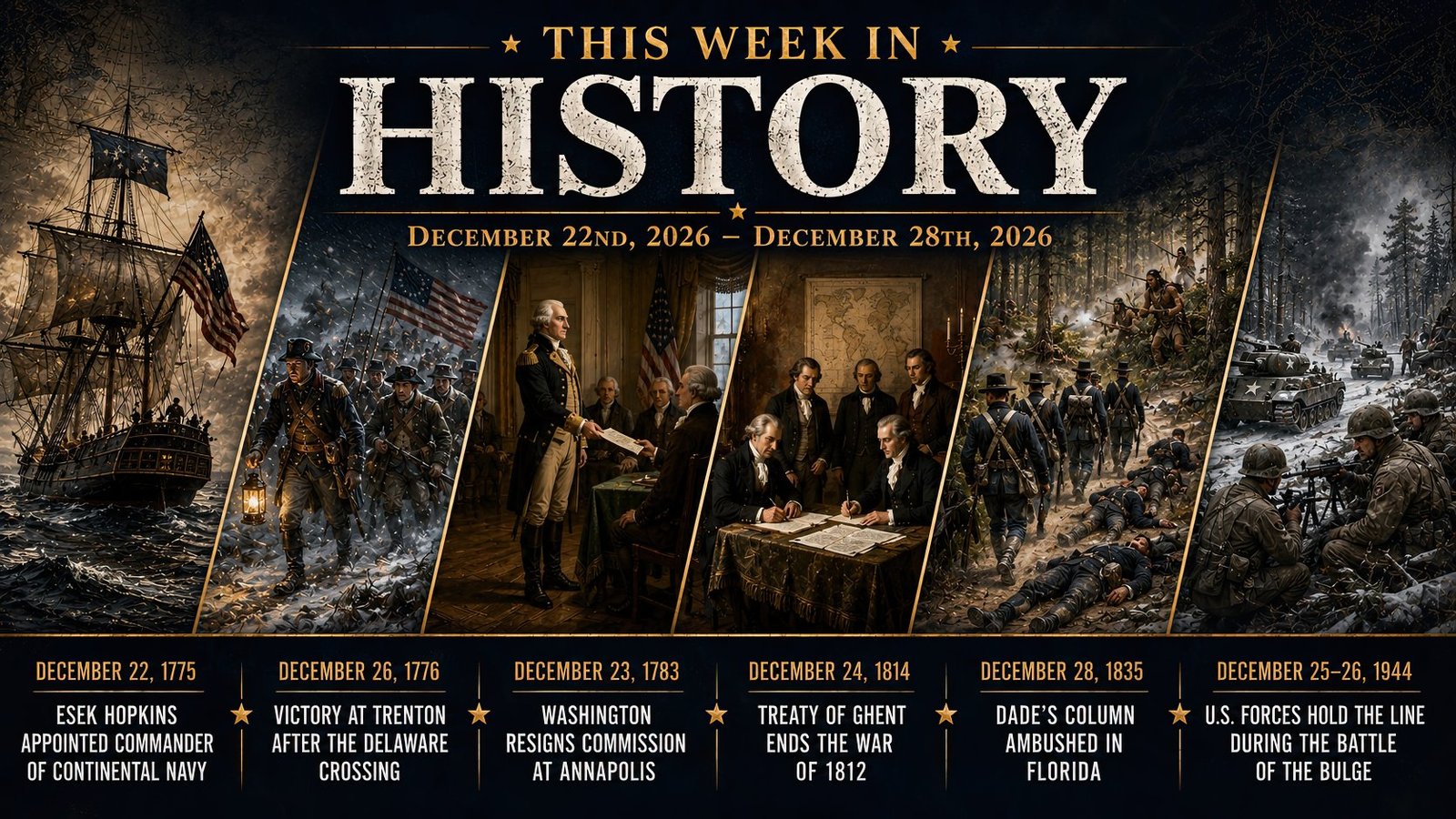
In the early months of the Revolution, the Continental Congress moved from ad-hoc privateers to something closer to a real navy by appointing Esek Hopkins as commander in chief of the Continental Navy.
A story of long-range, low-level strike power told through the crews who trusted a swing-wing bomber to take them into the heart of modern air defenses and back again.
A story of stealth, precision, and shock told through the pilots who flew the first operational stealth attack aircraft into the heart of enemy air defenses.
A story of air superiority and reach told through the pilots who trusted the Eagle and the opponents who learned to fear it.
A story of agility, survivability, and reach told through the pilots and maintainers who turned a lightweight fighter into a global workhorse.
A story of multirole firepower and adaptation, told through the aircrews who flew the Phantom into the teeth of the Vietnam War’s fiercest defenses.
A story of speed, improvisation, and pilot skill told through the jet that met the MiG threat head-on.
On August 30th, 2021, the last American military transport lifted off from Kabul’s runway, ending nearly twenty years of continuous American combat operations in Afghanistan.
Off the coast of Vietnam, the supercarrier USS Forrestal was preparing to launch another round of strikes when disaster struck. A malfunction caused a rocket on a parked fighter to fire across the crowded flight deck, smashing into another jet loaded with fuel and bombs. The resulting fires, explosions, and shrapnel tore through aircraft, equipment, and the sailors struggling to fight the blaze.
In the closing years of the Vietnam War, the nuclear–powered aircraft carrier USS Enterprise operated as a key platform for strikes into Southeast Asia. On January 14th, 1969, during flight operations near Hawaii, a rocket accidentally detonated on the flight deck, triggering a chain of explosions among fueled and armed aircraft.
As the naval war closed in on Japan, United States fast carrier task forces struck airfields, shipyards, and industrial targets across the home islands. On March 19th, 1945, the carrier USS Franklin was operating relatively close to the enemy coast, her flight deck crowded with fueled and armed aircraft being readied for another strike. A lone Japanese dive bomber slipped through the defenses and dropped bombs that penetrated into the hangar deck, touching off a chain of explosions and fires.
The same date that Marines were struggling ashore on Saipan also saw the debut of a new weapon in the air war over Asia. On June 15th, 1944, Boeing B-29 Superfortress bombers of the United States Army Air Forces flew from forward bases in China to strike industrial targets in Japan in the first mission of its kind.
A year after Tehran, another kind of reach took shape when Boeing B-29 bombers lifted off from freshly built airfields in the Mariana Islands for the first raid on Tokyo from that direction.
Four days after the creation of that new engineering district, another milestone unfolded in the skies over occupied Europe on August 17th, 1942. That day, B-17 Flying Fortress bombers of the Eighth Air Force launched the first American heavy bomber raid against a target in occupied France, striking railyards and industrial facilities around Rouen.
On November 14th, 1910, civilian pilot Eugene Ely coaxed his fragile Curtiss pusher airplane down a narrow wooden platform built over the bow of the cruiser USS Birmingham off Hampton Roads, Virginia.
Just eight years after the Wright brothers’ first powered flight, naval officers were already asking what airplanes might do for fleets at sea. On January 18th, 1911, civilian pilot Eugene Ely approached the armored cruiser USS Pennsylvania in San Francisco Bay, aiming at a temporary wooden deck built over the ship’s stern.
On August 29th, 1949, far away on the Eurasian steppe, the Soviet Union detonated its first atomic device, abruptly ending the American monopoly on nuclear weapons.
On January 27th, 1943, Eighth Air Force B-17 Flying Fortress crews climbed into icy English skies and headed for the German port of Wilhelmshaven. The mission marked the first all-American heavy bomber raid deep into Germany, part of a growing campaign to hit U-boat bases, shipyards, and industrial centers. The crews flew in daylight formations, relying on tight discipline and concentrated defensive fire to survive fighter attacks.
Related Dispatch
These current Dispatch articles connect directly to records in the Vehicles, Aircraft & Ships directory.
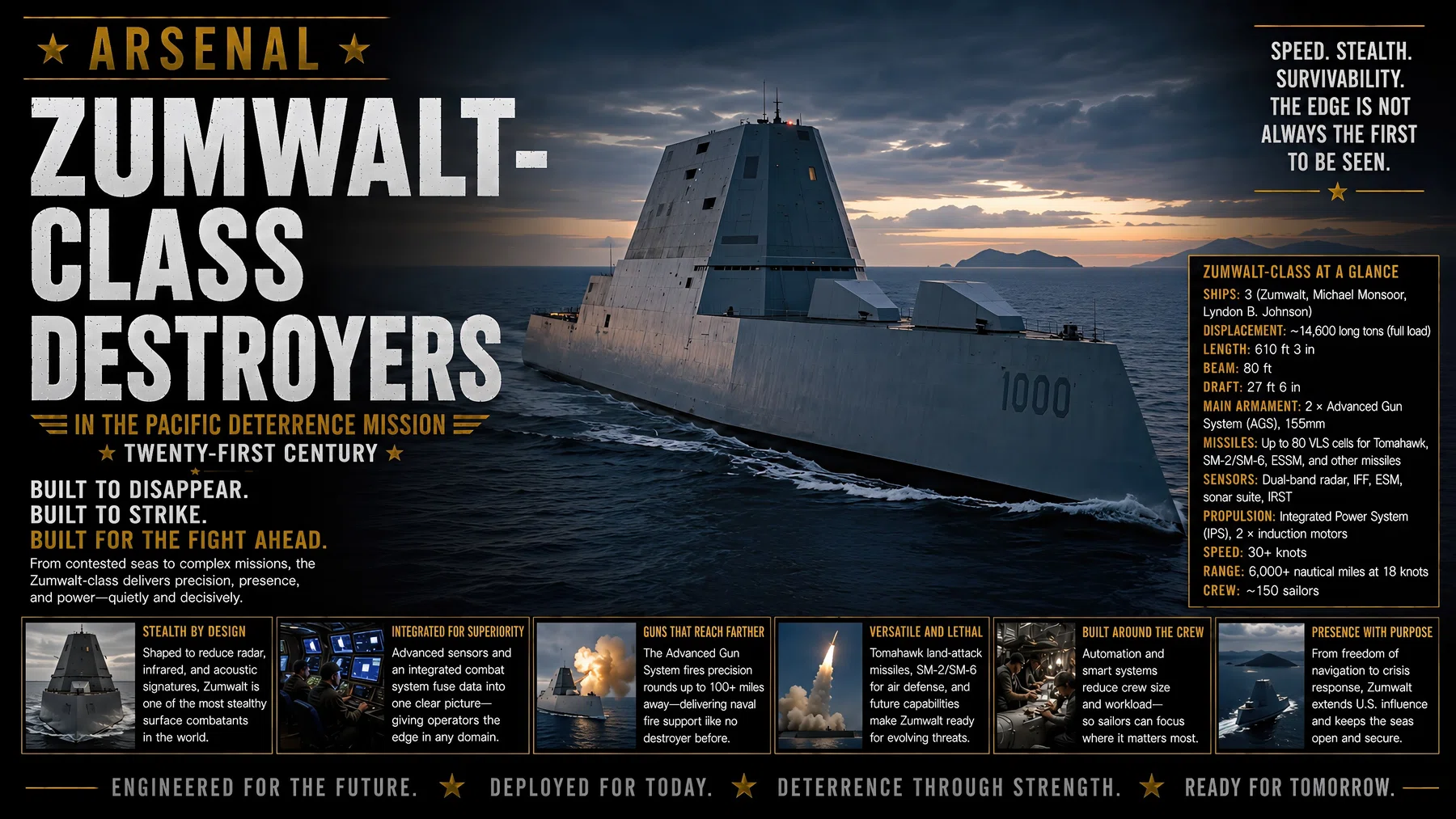
Related Arsenal Guides
These established direct episode links supplement the Wiki directory rather than replace it.