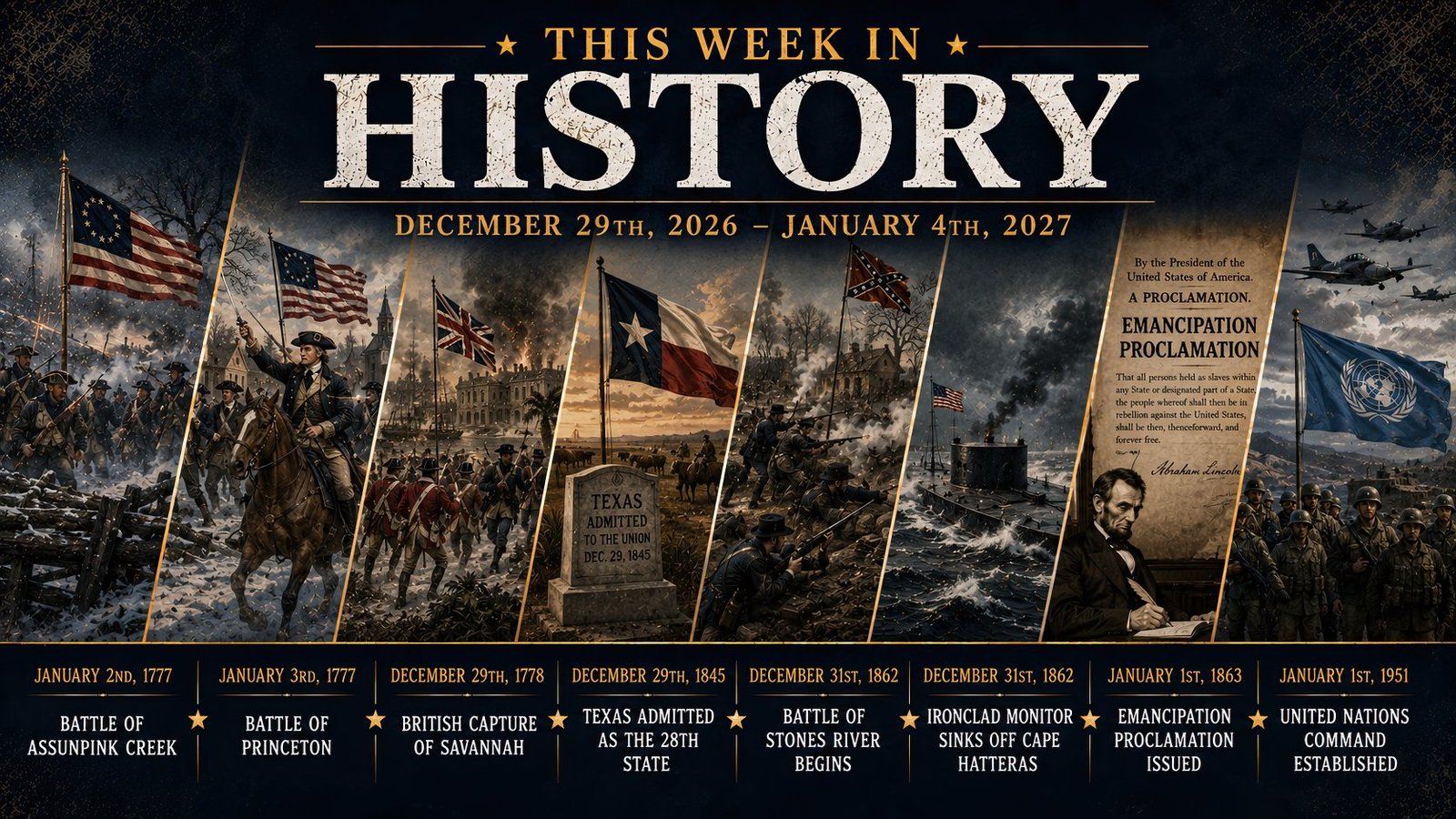
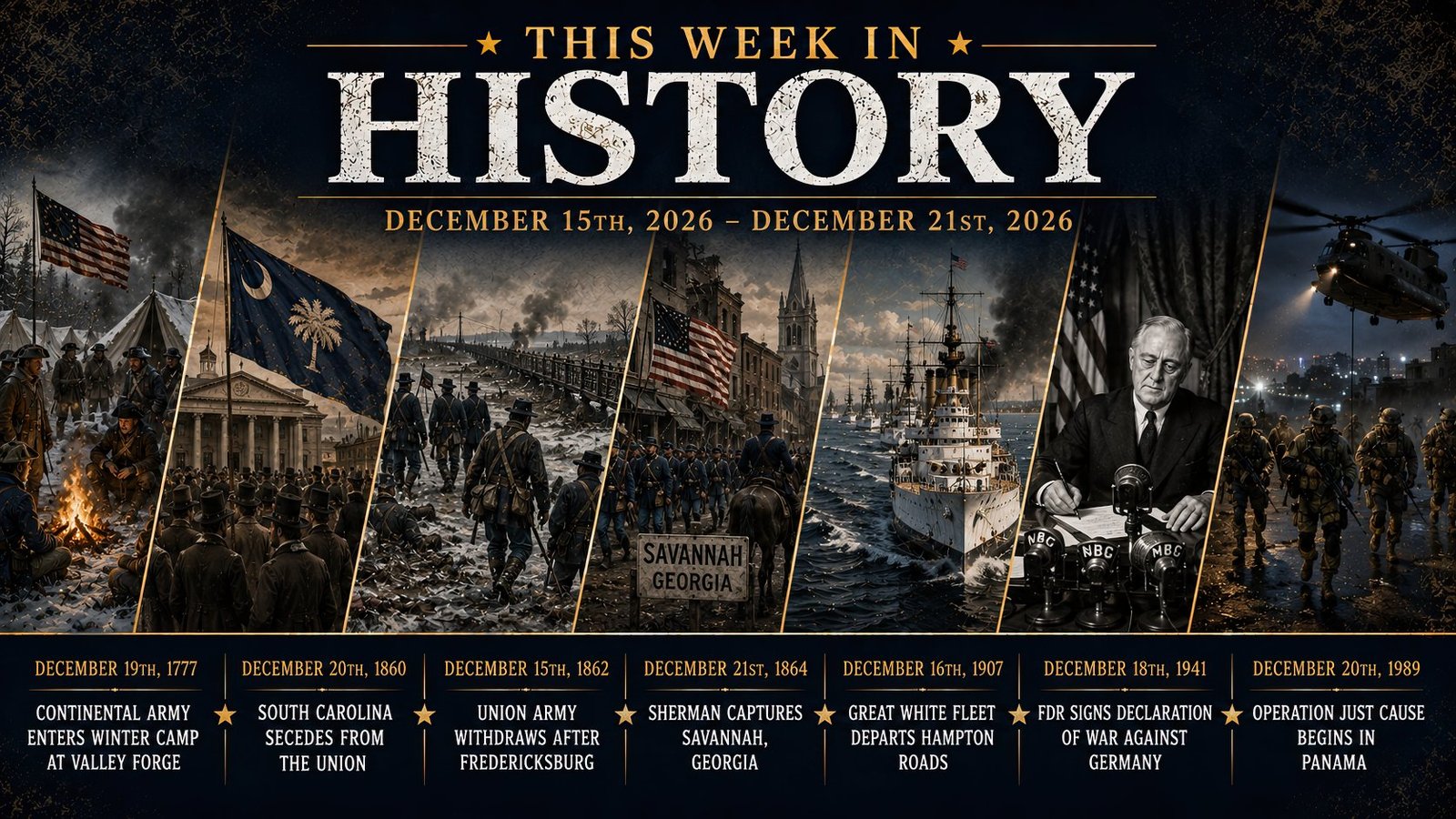
This Week in History · December 29, 2026
136 Populated Entries
Weapons, munitions, integrated systems, design, production, and operational use.
Trackpads Air Archive
Use the dedicated Air Archive for structured aircraft-family profiles, variants, representative specifications, imagery, sources, and design lineage.
Weapons & Weapon Systems
Every result opens a permanent subject record with its reference context and connected Dispatch coverage. Filter by record type, editorial collection, or a word in the entry.
136 entries found.
A story of reach, endurance, and compromise told through the crews who rode these lean escorts along the Cold War’s front-line sea lanes.
A story of stealth jets, precision strikes, and a regime suddenly in the dark, and how it changed the wider war.
On December 16th, 1998, American and British forces began a four-day air and missile campaign against Iraqi targets known as Operation Desert Fox.
A story of low-and-slow fire support, told through the aircrews who flew the Bronco into the jungle fight and the troops who depended on them.
By February 1945, much of Pearl Harbor had returned to the business of war. Battleships and carriers came and went; convoys formed up and headed west toward Iwo Jima and Okinawa. But in a side channel called West Loch, the harbor still hid a graveyard. Months earlier, a chain of explosions had torn through a cluster of tank landing ships loading ammunition for the Pacific campaign.
A two-ship American dreadnought class that concentrated twelve 14-inch guns in four triple turrets and carried the Standard-type battleship concept into a heavier, more mature form.
Read Entry →Weapon or System · 2026-11-27Pennsylvania-class BattleshipsA story of heavy guns, armored decks, and crews who learned to fight an early-twentieth-century battleship through a very different kind of war.
In the middle years of the Vietnam War, American leaders sought ways to weaken the enemy’s ability to move troops and supplies down long, fragile lines of communication. On June 29th, 1966, U.S. Air Force and Navy aircraft carried out major attacks on petroleum storage facilities near Hanoi and Haiphong, striking targets that had previously been off-limits or only lightly hit.
A story of reach, listening power, and adaptation told through the crews who rode a jetliner-turned-spyplane into Iraq’s most dangerous airspace.
In the bitter winter of 1944, the Belgian town of Bastogne became a focal point of the last major German offensive in the West.
A 22-year-old heavy machine gunner who held back a German attack in the Battle of the Bulge
A story of exposed convoys, hidden fighters, and the soldiers and medics who kept moving through an urban kill zone.
In early September 1943, the strategic picture in the Mediterranean shifted rapidly.
Along the Gulf Coast, Union planners sought to open a route into Texas by sending a naval expedition and troop transports toward Sabine Pass at the border with Louisiana.
One year after Valcour Island, American forces under General Horatio Gates and field leaders like Benedict Arnold clashed with General John Burgoyne’s army near Bemis Heights, south of Saratoga.
On August 29th, 1862, Union forces under Major General John Pope hurled repeated attacks against Confederate positions near an unfinished railroad grade outside Manassas, Virginia.
As autumn settled over Virginia in 1781, combined American and French armies under George Washington and the Comte de Rochambeau began the methodical work of besieging Lord Cornwallis at Yorktown.
In the early hours of October 31st, 1941, the Clemson-class destroyer USS Reuben James was escorting a convoy near Iceland when a German submarine fired a spread of torpedoes into the formation.
A story of speed, altitude, and evasion told through the crews and missions that defined it.
On this day a fledgling United States Army marched into disaster along the Wabash River in the Northwest Territory.
On November 14th, 1965, helicopters of the United States Army’s 1st Cavalry Division (Airmobile) began landing infantry battalions near the Chu Pong Massif in the Ia Drang Valley of South Vietnam.
It is the early hours of 10 March 1945 on Luzon in the Philippine Islands. The jungle around the Villa Verde Trail is black and close, broken only by a thin ridge that juts out from a larger hill. On that ridge, just ahead of the main American perimeter, three foxholes scrape a shallow line in the earth. In one of them lies Private First Class Thomas Eugene “Gene” Atkins of Company A, 127th Infantry. His job is simple and deadly: watch the trail and buy time if the enemy comes.
The central German Atlantic submarine family, developed through successive variants and represented in the pilot by the surviving U-995.
Read Entry →Weapon or System · 2026-08-14U-2 Dragon LadyA story of reach and persistence told through the pilots who rode the thin air and the targets they photographed far below.
Related Dispatch
These current Dispatch articles connect directly to records in the Weapons & Weapon Systems directory.
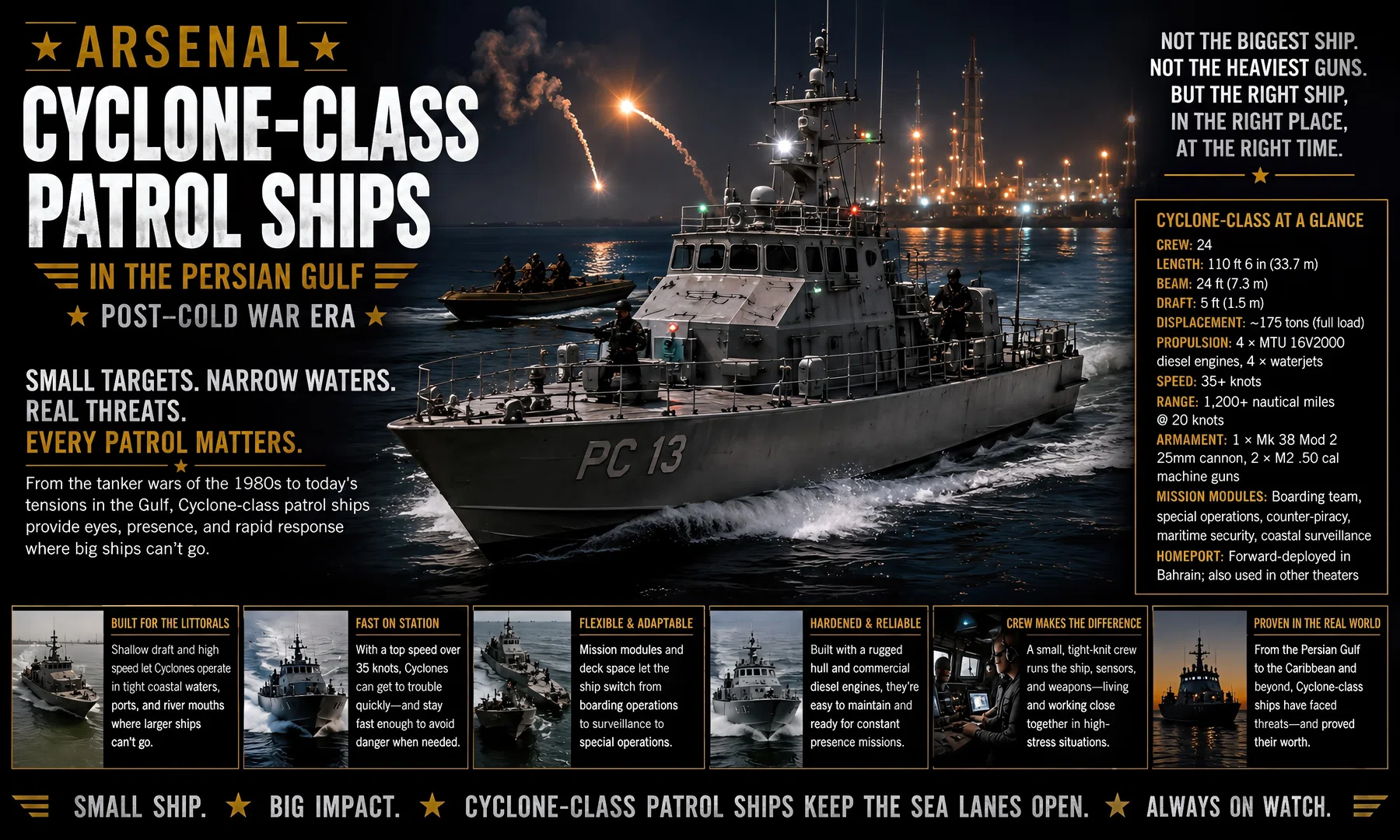
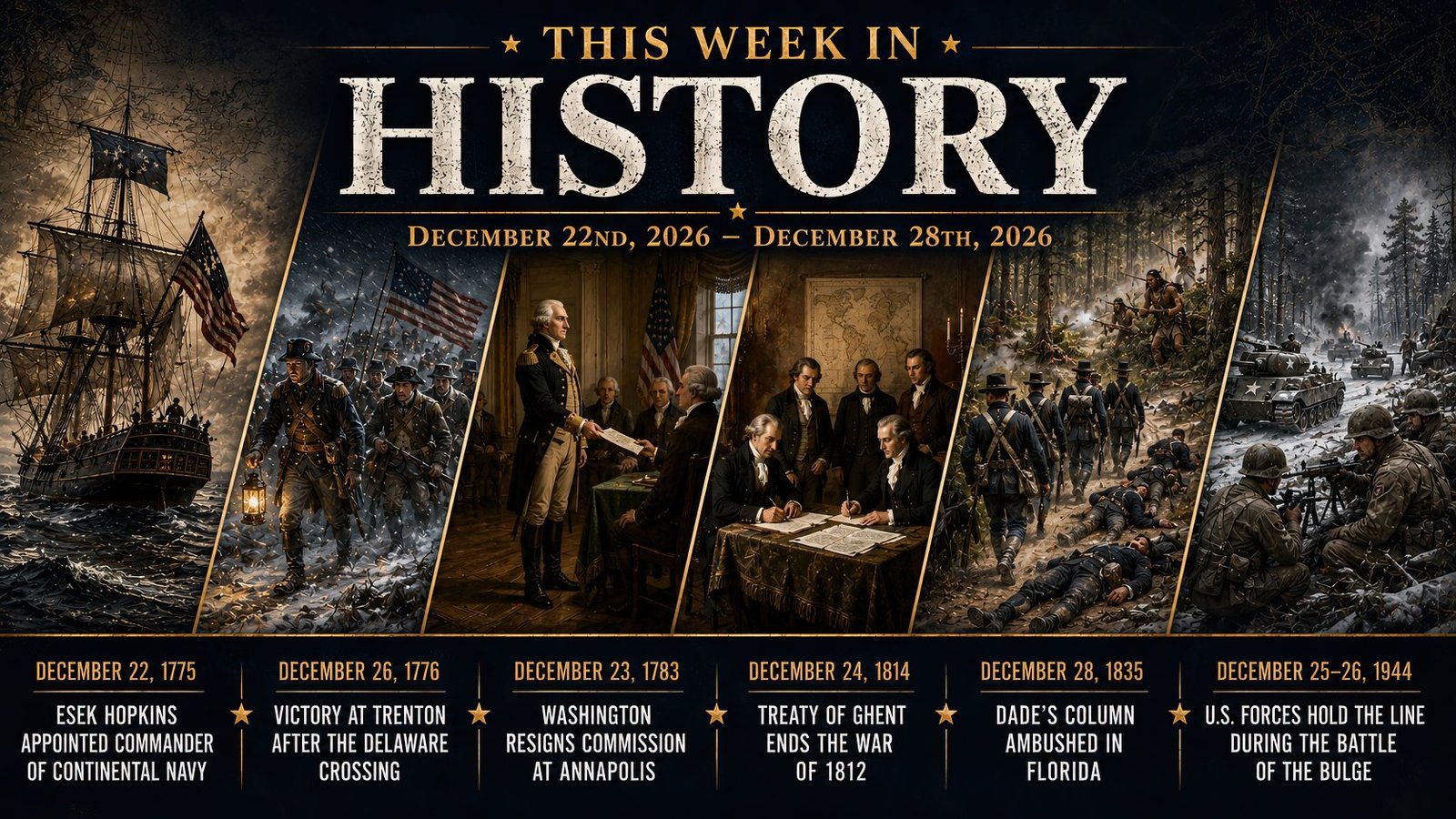
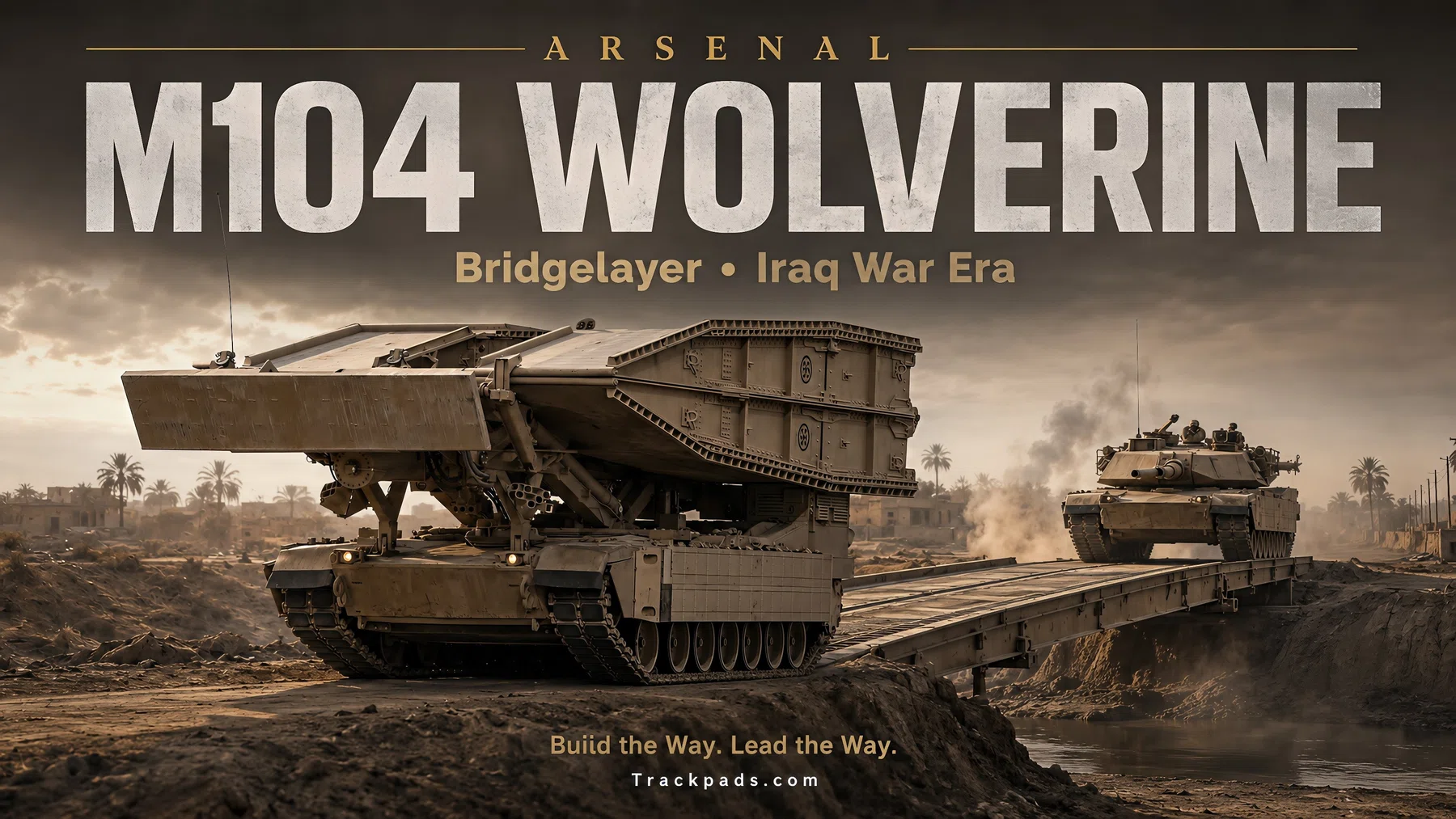
Related Arsenal Guides
These established direct episode links supplement the Wiki directory rather than replace it.