Reference Entry
FORMAL END OF THE CIVIL WAR
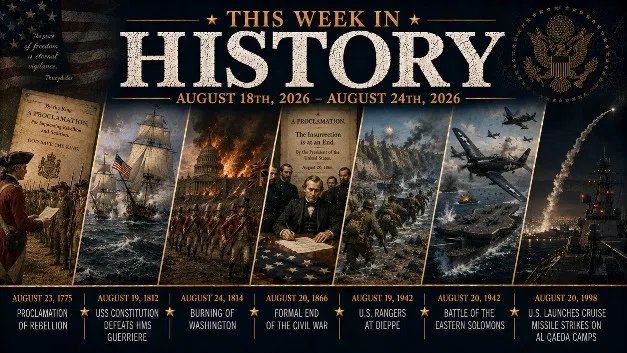
More than half a century later, another presidency faced the task of closing a different conflict. On August 20th, 1866, President Andrew Johnson issued a formal proclamation declaring that the insurrection in the former Confederate states was at an end, effectively marking the official conclusion of the Civil War. The great campaigns and bloody battles were already over, but this act drew a legal line under four years of rebellion and set the context for Reconstruction.
Dated Historical Context
A RECORDED MOMENT IN HISTORY
Formal end of the Civil War
More than half a century later, another presidency faced the task of closing a different conflict. On August 20th, 1866, President Andrew Johnson issued a formal proclamation declaring that the insurrection in the former Confederate states was at an end, effectively marking the official conclusion of the Civil War. The great campaigns and bloody battles were already over, but this act drew a legal line under four years of rebellion and set the context for Reconstruction. For the United States Army, the proclamation did not mean a return to peacetime routines so much as a new mission: occupation duties, protection of freed people, and enforcement of new federal laws in the South. Units that had once marched across battlefields now guarded courthouses, supervised elections, and tried to keep fragile peace. This date reminds us that wars do not end the moment the guns fall silent; they also end in paperwork, policy, and long, contested transitions.
Read the complete weekly DispatchTrackpads Source Register