Reference Entry
BATTLE OF LUNDY’S LANE
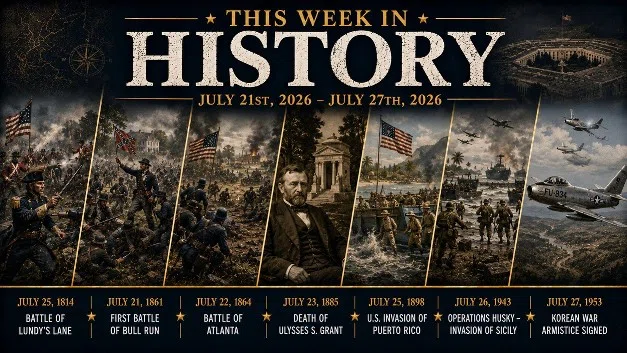
On a summer evening near Niagara Falls, American and British forces collided in one of the War of 1812’s bloodiest battles. United States troops under Major General Jacob Brown and Brigadier General Winfield Scott assaulted a British-Canadian position anchored on a ridge lined with artillery. The fighting quickly turned into a close-range slugging match, with infantry charges going in against loaded guns and both sides trading control of the crest several times.
Dated Historical Context
A RECORDED MOMENT IN HISTORY
Battle of Lundy’s Lane
On a summer evening near Niagara Falls, American and British forces collided in one of the War of 1812’s bloodiest battles. United States troops under Major General Jacob Brown and Brigadier General Winfield Scott assaulted a British-Canadian position anchored on a ridge lined with artillery. The fighting quickly turned into a close-range slugging match, with infantry charges going in against loaded guns and both sides trading control of the crest several times. As darkness fell, units sometimes fired at shapes they could barely see, and officers struggled to control shattered regiments. By the time the guns fell silent near midnight, casualties were staggering on both sides and the Americans ultimately withdrew. Tactical results were muddy, but the battle showed that United States regulars, once derided as second-rate, could stand toe-to-toe with combat-tested British veterans, shaping how both sides viewed the rest of the Niagara campaign.
Read the complete weekly DispatchTrackpads Source Register