Reference Entry
SHERMAN CAPTURES SAVANNAH, GEORGIA
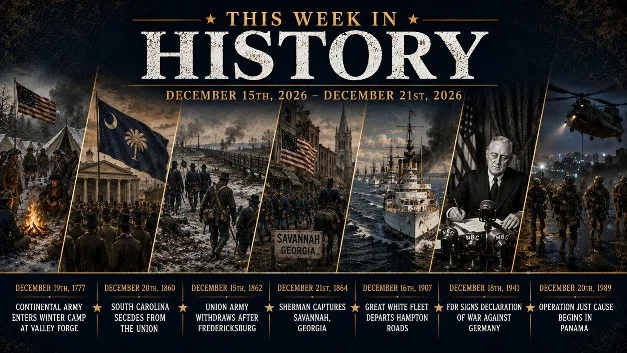
On December 21st, 1864, Union forces under Major General William Tecumseh Sherman entered Savannah at the end of the famous March to the Sea.
Dated Historical Context
A RECORDED MOMENT IN HISTORY
Sherman captures Savannah, Georgia
On December 21st, 1864, Union forces under Major General William Tecumseh Sherman entered Savannah at the end of the famous March to the Sea. After leaving Atlanta in November, Sherman’s columns had cut a wide swath through Georgia, destroying railroads, factories, and other assets that fed the Confederate war effort. The fall of Savannah delivered a valuable port and logistics hub on the Atlantic, along with large quantities of captured supplies. Sherman's campaign demonstrated a strategy aimed not only at enemy armies but also at the economic and psychological foundations of resistance. The capture of Savannah signaled to the Confederacy and to observers abroad that Southern capacity to sustain the war was eroding. In a widely remembered message to President Lincoln, Sherman presented the city as a kind of holiday gift, underscoring how military success and national morale were intertwined during this phase of the conflict.
Read the complete weekly DispatchTrackpads Source Register