Reference Entry
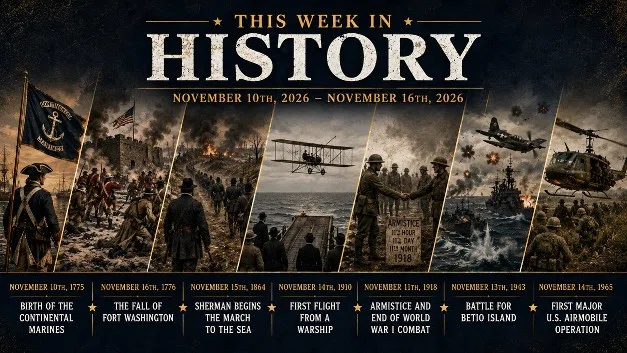
SHERMAN BEGINS THE MARCH TO THE SEA
On November 15th, 1864, Major General William Tecumseh Sherman led his Union army columns out of a largely destroyed Atlanta and turned them toward the Georgia coast.
Dated Historical Context
A RECORDED MOMENT IN HISTORY
Sherman Begins the March to the Sea
On November 15th, 1864, Major General William Tecumseh Sherman led his Union army columns out of a largely destroyed Atlanta and turned them toward the Georgia coast. Leaving his rail line behind, Sherman aimed to cut a swath through the Confederate heartland, wrecking infrastructure, seizing or destroying supplies, and demonstrating that the Confederacy could not shield its own territory. His troops tore up railroads, burned depots, and took food and livestock, leaving Southern civilians with an unmistakable sense of the war’s reach. The march was not uncontrolled chaos, but it was deliberately harsh, designed to erode Confederate will and ability to fight. By the time the columns reached Savannah in December, they had carved a deep psychological and material wound. For the United States Army, the March to the Sea became a case study in operational maneuver and in how targeting an enemy’s support system could hasten the end of a long, bloody conflict.
Read the complete weekly DispatchTrackpads Source Register