Reference Entry
NUCLEAR NON-PROLIFERATION TREATY
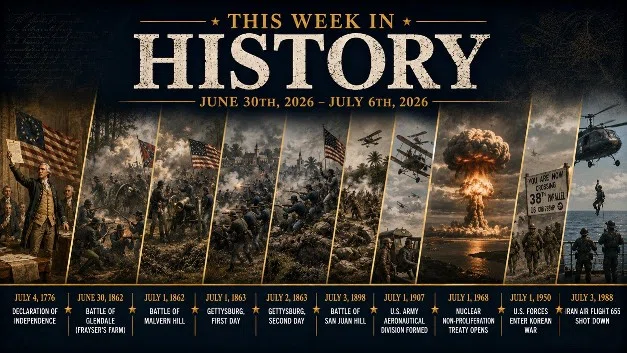
On July 1st, 1968, the United States joined other major powers in signing the Treaty on the Non-Proliferation of Nuclear Weapons, commonly known as the Nuclear Non-Proliferation Treaty. For the military, this agreement did not remove existing nuclear forces, but it committed the country to limiting the spread of nuclear weapons technology and pursuing arms control talks over time.
Dated Historical Context
A RECORDED MOMENT IN HISTORY
United States signs the Nuclear Non-Proliferation Treaty
On July 1st, 1968, the United States joined other major powers in signing the Treaty on the Non-Proliferation of Nuclear Weapons, commonly known as the Nuclear Non-Proliferation Treaty. For the military, this agreement did not remove existing nuclear forces, but it committed the country to limiting the spread of nuclear weapons technology and pursuing arms control talks over time. The treaty created a framework under which non-nuclear states pledged not to develop nuclear arms, in exchange for peaceful nuclear technology and assurances from nuclear powers. Strategists and planners in the United States services now had to think about deterrence, alliance commitments, and arms control obligations together. Over the decades, this framework would influence basing decisions, modernization programs, and the way officers studied potential crises. July 1st, 1968 thus marks a moment when military power and diplomatic restraint were woven more tightly together in American policy.
Read the complete weekly DispatchTrackpads Source Register