Reference Entry
BURNING OF WASHINGTON
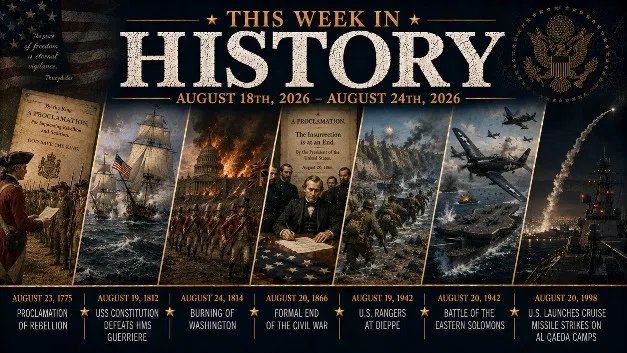
Two years later, during the same war, British forces marched on Washington after defeating American troops at the Battle of Bladensburg. Poorly coordinated regulars and militia units could not stop the advance, and the road to the capital lay open. British troops entered the city and set fire to key government buildings, including the Capitol and the President’s Mansion, while many civilians fled or watched helplessly.
Dated Historical Context
A RECORDED MOMENT IN HISTORY
Burning of Washington
Two years later, during the same war, British forces marched on Washington after defeating American troops at the Battle of Bladensburg. Poorly coordinated regulars and militia units could not stop the advance, and the road to the capital lay open. British troops entered the city and set fire to key government buildings, including the Capitol and the President’s Mansion, while many civilians fled or watched helplessly. The image of the nation’s capital in flames was a severe humiliation and exposed how thin America’s defenses could be when political quarrels and underprepared forces met experienced enemy troops. Yet the disaster also provoked a surge of determination to strengthen coastal fortifications, reorganize forces, and defend Baltimore more effectively in the weeks that followed. The burning of Washington during this August week has remained a stark reminder of the costs of neglecting readiness and the vulnerability of symbols when war reaches home.
Read the complete weekly DispatchTrackpads Source Register