Reference Entry
BATTLE OF SAVO ISLAND
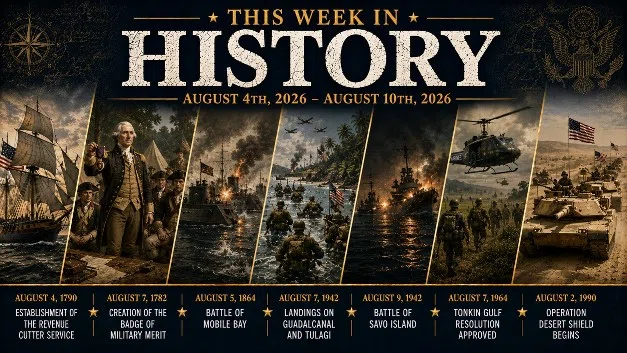
Just two nights after the Guadalcanal landings, the vulnerability of that new foothold became painfully clear. In the dark early hours of August 9th, 1942, a Japanese cruiser force slipped past Allied picket lines and radar screens to strike the screening cruisers guarding the approaches to Savo Island and the transport anchorage.
Dated Historical Context
A RECORDED MOMENT IN HISTORY
Battle of Savo Island
Just two nights after the Guadalcanal landings, the vulnerability of that new foothold became painfully clear. In the dark early hours of August 9th, 1942, a Japanese cruiser force slipped past Allied picket lines and radar screens to strike the screening cruisers guarding the approaches to Savo Island and the transport anchorage. In the confused close-range night battle that followed, several Allied heavy cruisers, including United States ships and the Australian cruiser HMAS Canberra, were hit repeatedly and sunk or left burning. The transports, with their vital cargoes for the Marines ashore, escaped destruction, but the price was heavy, and the surviving ships withdrew. The episode exposed serious weaknesses in Allied night fighting tactics, communications, and readiness, even with radar equipment available. In the weeks that followed, commanders pored over reports, adjusted training, and paid closer attention to how lookouts, radar operators, and gun crews worked together after dark. The Battle of Savo Island stands as a reminder that early phases of a campaign often bring harsh lessons, paid for in blood and steel, that shape how a navy fights the rest of the war.
Read the complete weekly DispatchTrackpads Source Register